Best Of
Re: Baked high to low normal map has seams in Arnold CPU render on all hard edges.
首先,我有一个在SP,Unity中显示正确的Mikk-T切线空间的法线贴图,我发现其在Maya 2020.4 Arnold4 CPU中渲染不正确.出现类似这张图片的黑边

由于模型面数太少且在角度大的地方没有断开UV并添加硬边导致的,你可以加面,重新分UV,重新烘焙一张几乎是平的细节(基本没有彩色部分)的法线贴图,遵循软硬边原则.
但是还有一个更简单的办法将其修复:在Substance中添加现在的法线,然后烘焙一张世界空间法线并导出,最后在HyperShade中设置aiNormalMap的节点的属性Tangent map为False,然后设置你的lowploymesh为平直着色(全硬边),这会使世界空间法线替代所有法线,注意,不能存在任何加权,平滑的法线结果.
I’d like to leave my final solution here after exploring this issue. I’ve looked through many tutorials, but most of them only pointed out the problem without providing a solution. Even the tutorial mentioned above—although I haven’t seen it—I can roughly understand what it’s trying to say.
Due to confidentiality, I can only briefly describe the problem I encountered and how I solved it:
First, I had a normal map in SP and Unity that displayed correctly in the Mikk-T tangent space. However, it didn’t render correctly in Maya 2020.4 with Arnold 4 CPU—it showed artifacts like black edges, similar to what’s shown in this image.
This was caused by a low-poly model without UV splits and hard edges in areas with steep angles. You could fix it by adding geometry, redoing the UVs, and rebaking a nearly flat normal map (with very little color detail), following proper soft/hard edge guidelines.
However, there’s a simpler way to fix it:
In Substance, add your current normal map, then bake and export a world space normal map. In HyperShade, set the aiNormalMap node’s "Tangent map" attribute to False, and set your low-poly mesh to flat shading (all hard edges). This will cause the world space normals to override all existing normals. Note: there must be no weighted or smoothed normals.
 Msv777
Re: Former Firewalk/Concord dev talks Marathon
Anyone can say anything on the internet, and this is on the same level of pettiness as Elden Ring players saying you haven't ackshually beaten the game if you use spirit ashes.
Here's a fun tip; when people say you need a thick skin as a game developer, what they really mean is that you need to be capable of translating feral karen bitching into something legible; for instance here is my game developer translation of Atrocious1337's comment.
Gamer Language: "Sorry, but bland, homogenized, paint-by-numbers games like Concord deserve to fail. *additional crying noises here*"
Developer Language: "The game looks generic, I'm not interested."
 zetheros
[PAID] Seeking 3D Artist for Retro Racing Game
I’m developing a stylized racing game called SPEEDWORLD, set in the 1980s and inspired by vintage NASCAR, TNN motorsports broadcasts, and retro racing culture. I need two high-quality game-ready 3D assets:
- A 1984-style stock car, based on the Monte Carlo — low/mid poly, separate mesh parts for damage, clean UVs for in-game paint customization.
- A rigged, customizable male driver, featuring modular hair, fire suit styles, and accessories (mullet, open fire suit, gold chain, etc.)
Art style is stylized but era-authentic — no blocky cartoon look, but not hyperrealistic either. Think somewhere between a late PS2 racing game and a modern stylized indie title.
This is a passion project — not on a tight deadline, but I want someone who understands game integration and retro aesthetics. Long-term collaboration possible.
Unity-compatible format. I can provide references and briefs.
MarinoMiami85
Re: Game Industry Layoffs - WTF?
pior said:
I hope that one of the big actors (manufacturer+publisher) would pull a 4Dchess move by releasing an intentionally underpowered but sleek piece of hardware in the 250USD ballpark (like a Steam Deck lite, roughly equivalent to the original Switch spec-wise) and granting a seal of approval to new (and old) PC games running well on it. This could push gamedevs to go back to barebones visuals (PS2-era), slashing developpment costs tenfold and bringing back a necessary focus on gameplay and clever visuals.
There's a lot of sense to the idea of slashing development costs - reducing risk to the studio when a project fails being the main benefit from a business perspective.
however ..
Shareholders are interested in growth, not profitability. Cutting costs by 90% isn't useful if it means that your total revenue falls - even if you 10x your return on investment.
I do think some version of this could work though..
Going from a 30m a year project with 300 people to several 3m a year projects with 30 people each and shorter dev cycles (1 vs 3 year for example) seems like it could work and would actually insulate your company against a couple of total failures in a given year.
Games would be smaller and thus command a lower price but you're talking about 50% less per unit so to meet the same ROI you'd only need to sell 20% as many copies
Obviously, staffing 10 projects at once is going to be something of an issue (enough to kill the idea dead I think) ..
poopipe
Alexis
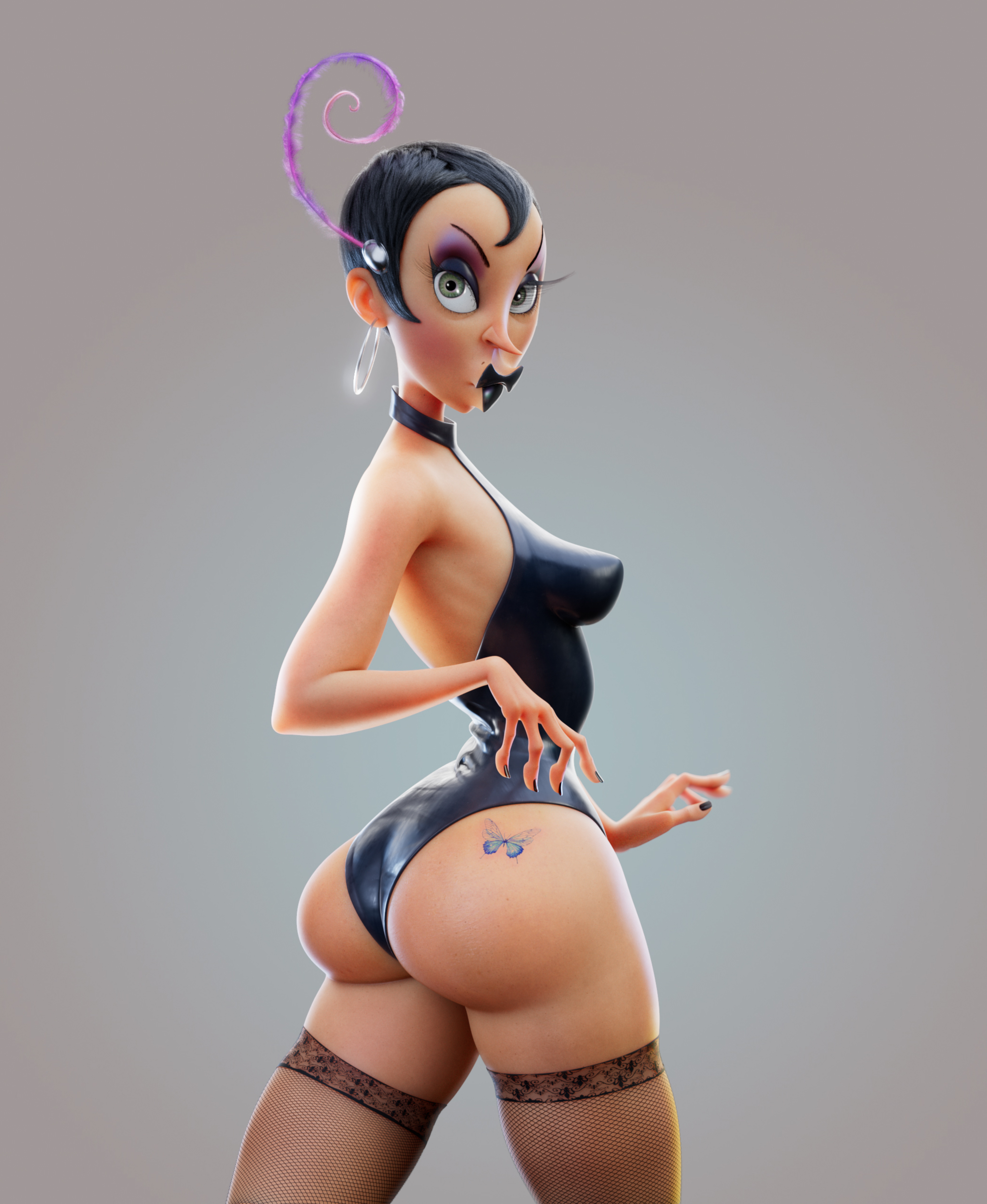
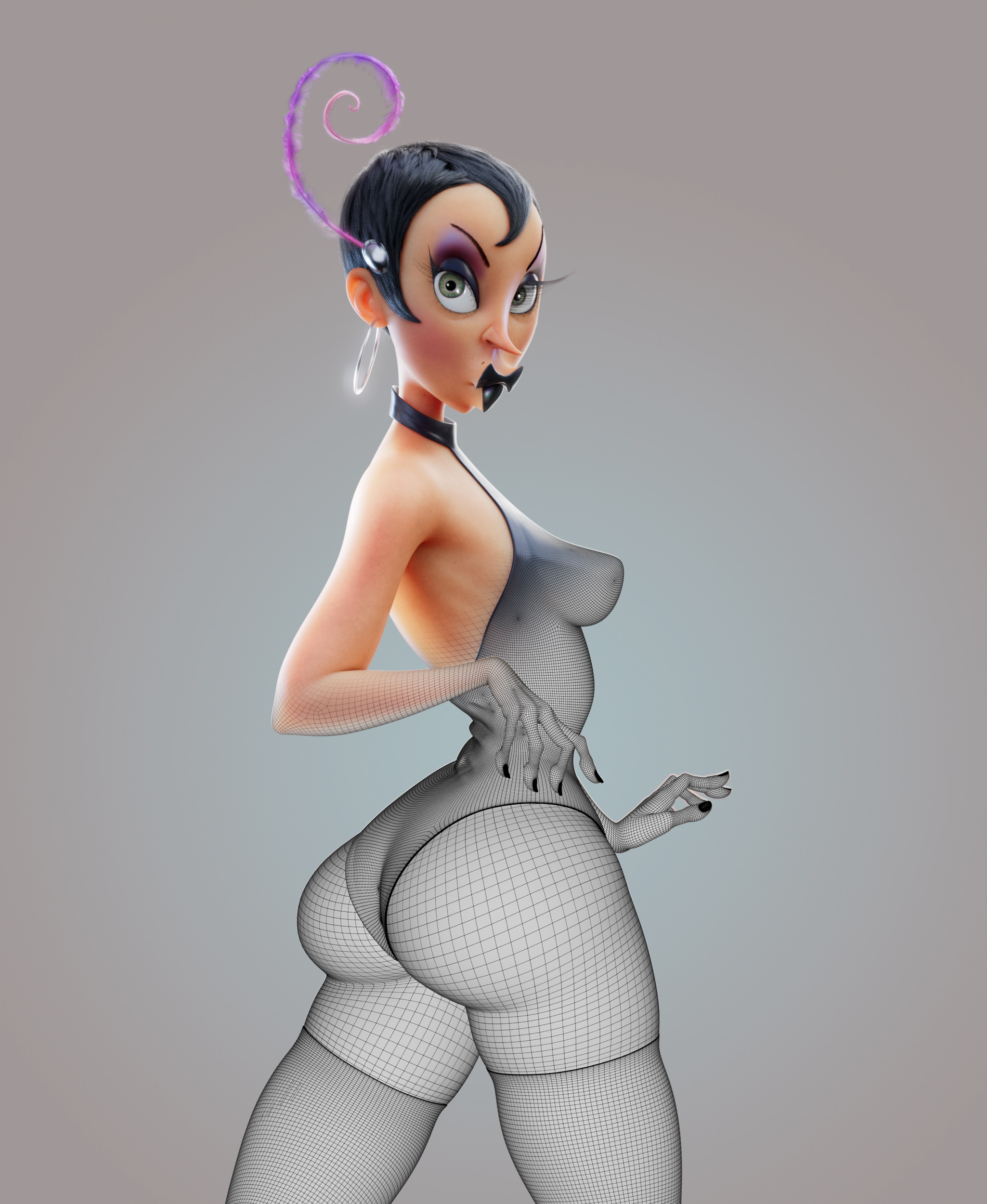
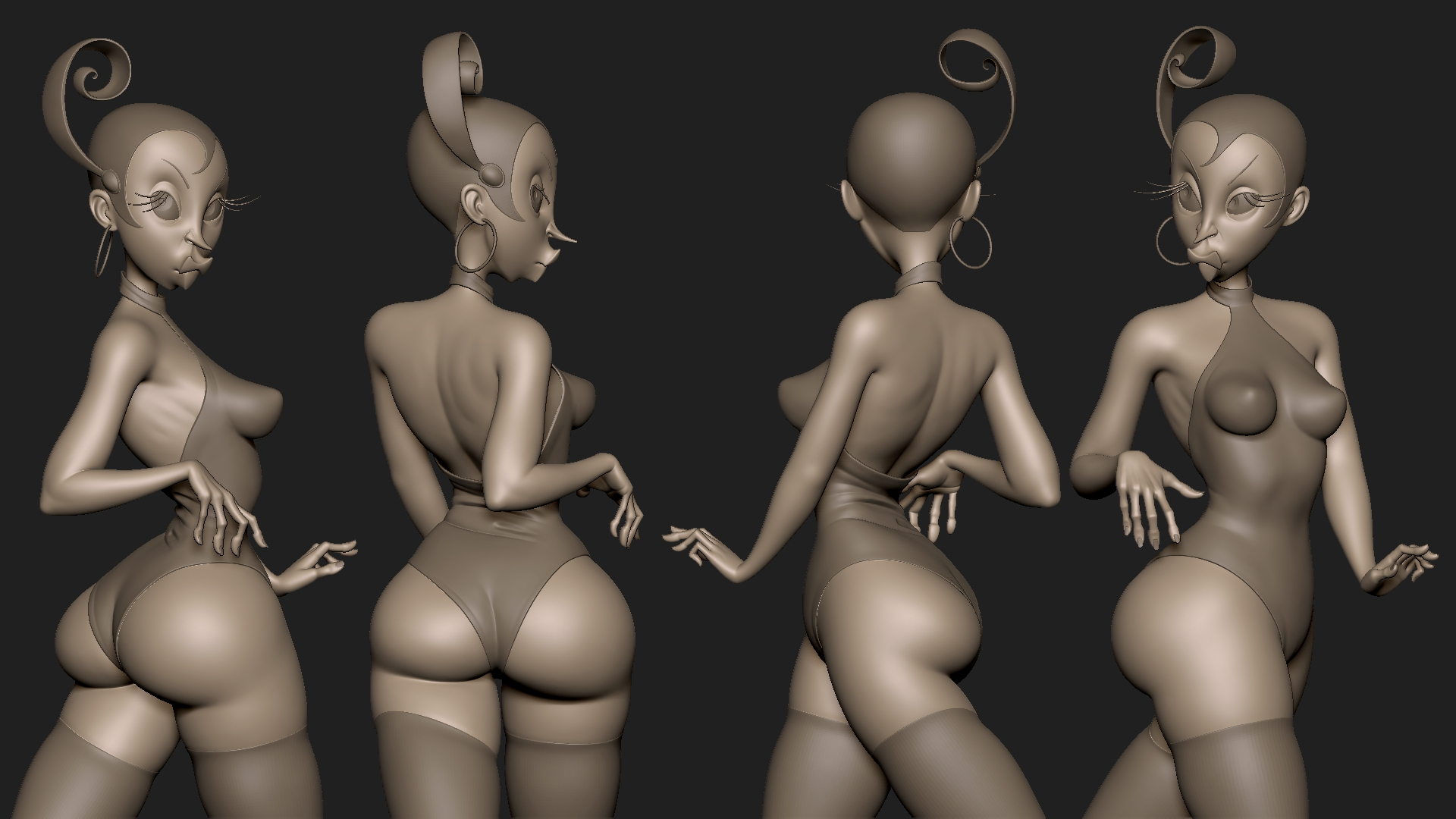
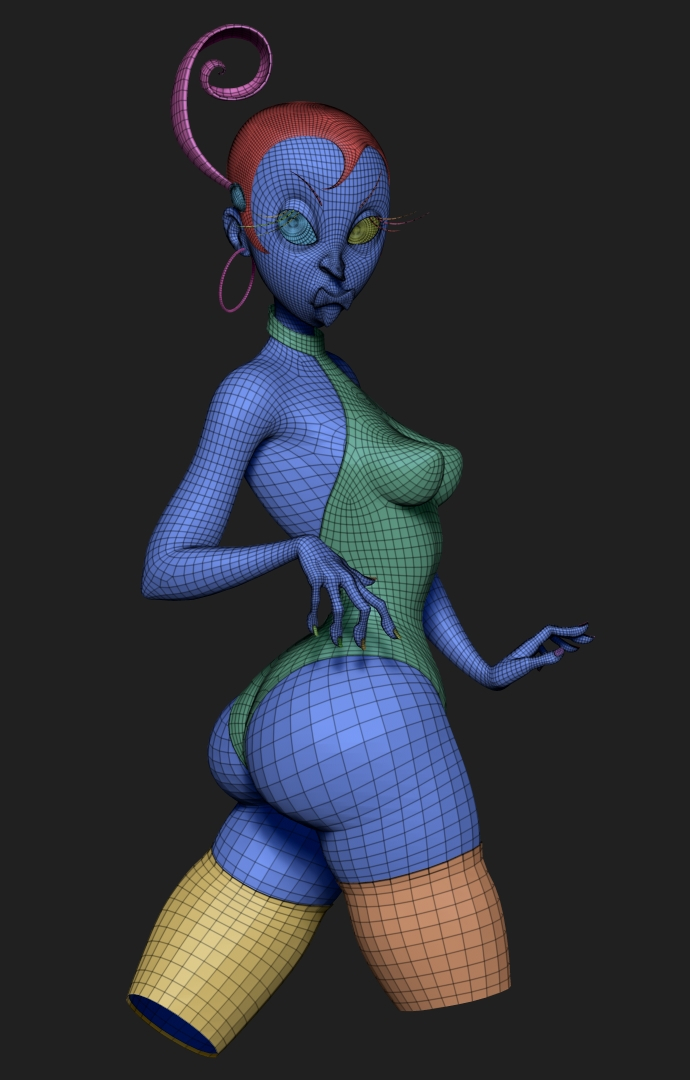
🔹This is a personal group artwork
A blend of style, attitude, and timeless charm—crafted with passion and attention to detail. Hope you like this piece as much as we enjoyed creating it!
Let us know what you think in the comments! ⬇️
🔹 Credit:
- Concept: @lera_kiryakova
-Modeling: @naghi_hamidi
-Grooming: @nimasayah.cgart
-Texturing & LookDev & Lighting: @pejman_rajabii
🔹ZBrush-Maya-Arnold-XGen-Substance painter- Nuke
@maxonzbrush @substance3dart @autodesk_me @foundryteam @autodesk
 Naghi
Naghi
Re: The Bi-Monthly Environment Art Challenge | March - April (95)

Here is the simple White Box I've done. Next step will do the broken stair's model, after that will do floor's and wall's model.
cheesechen12
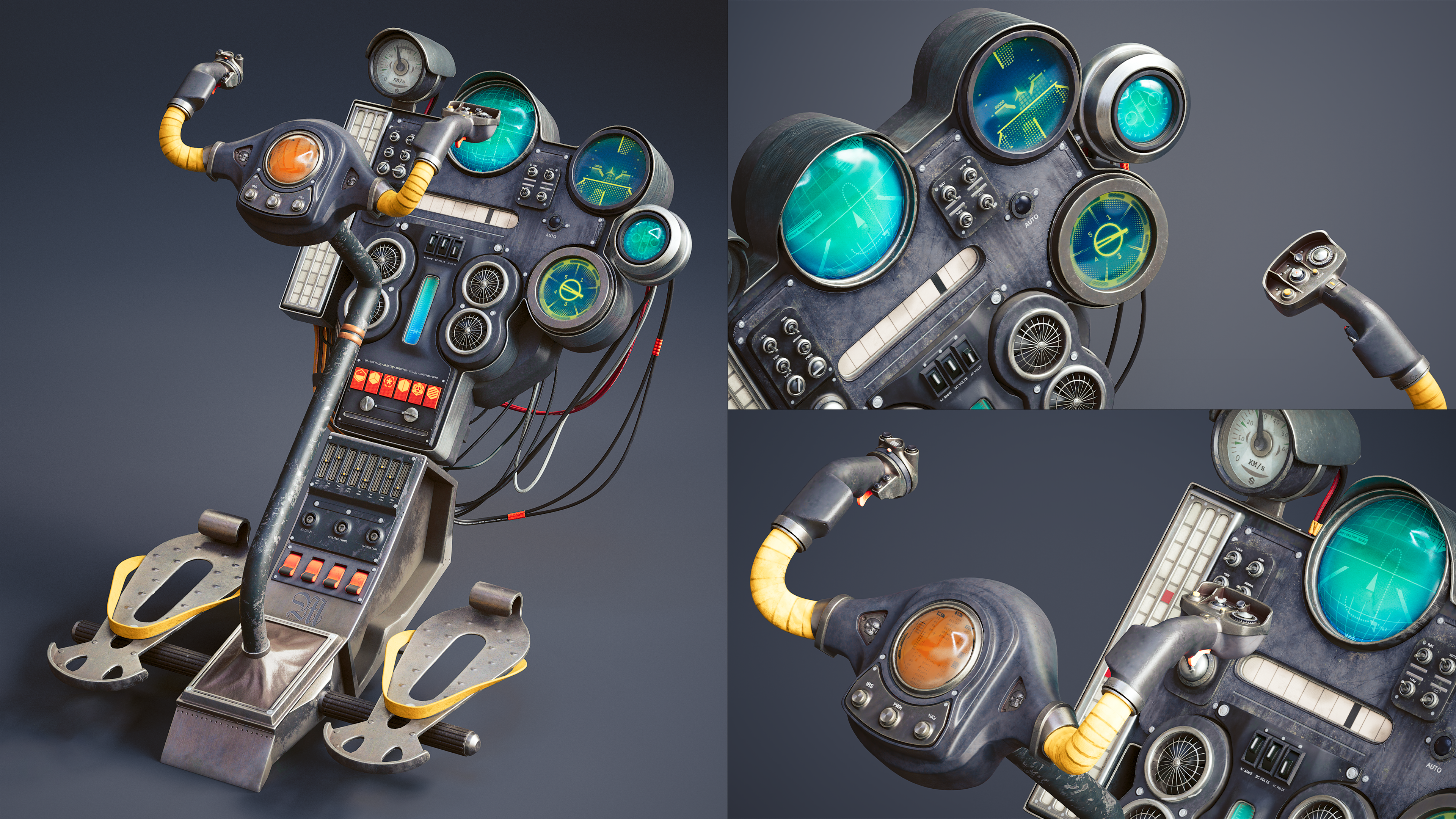
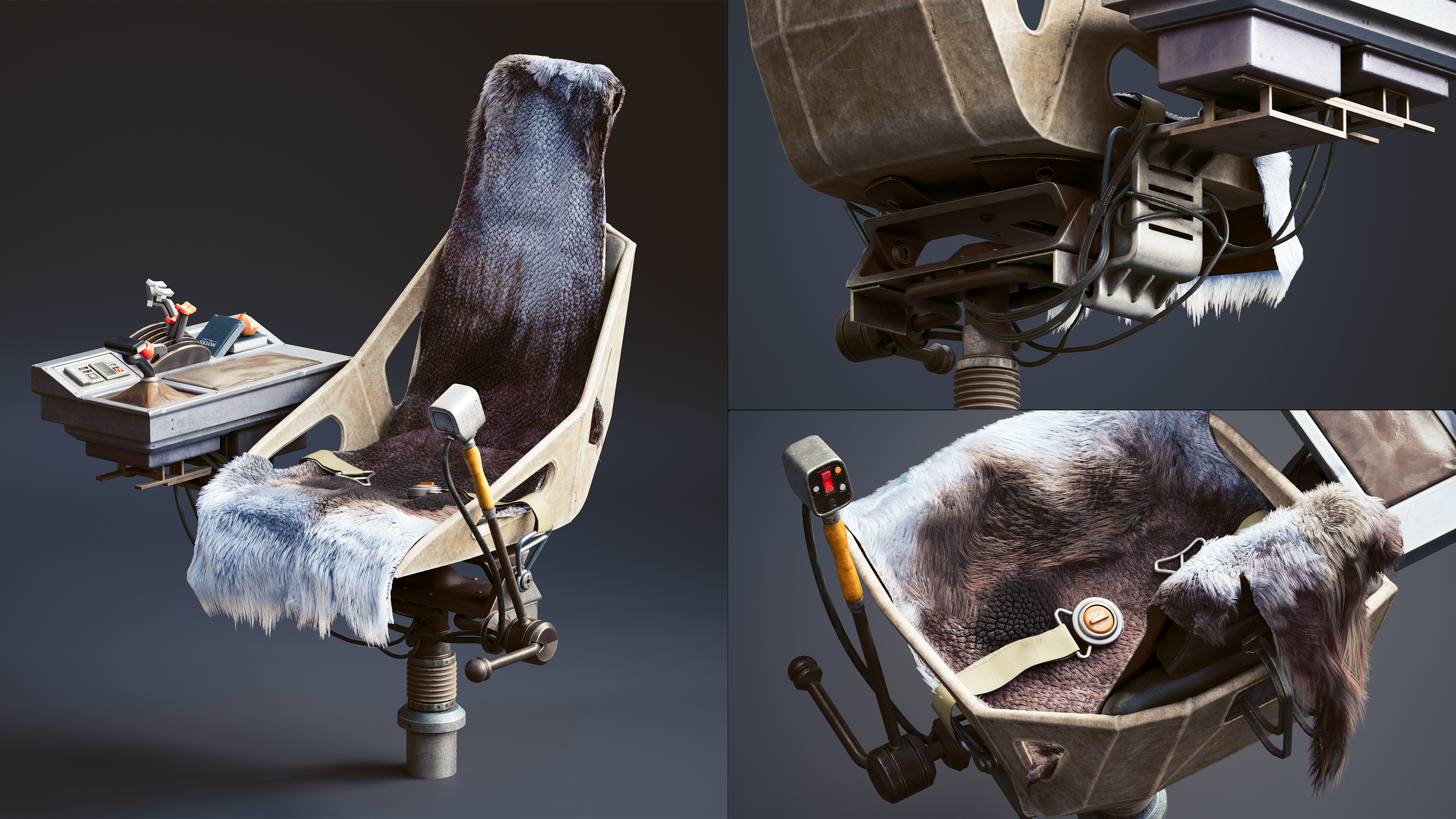
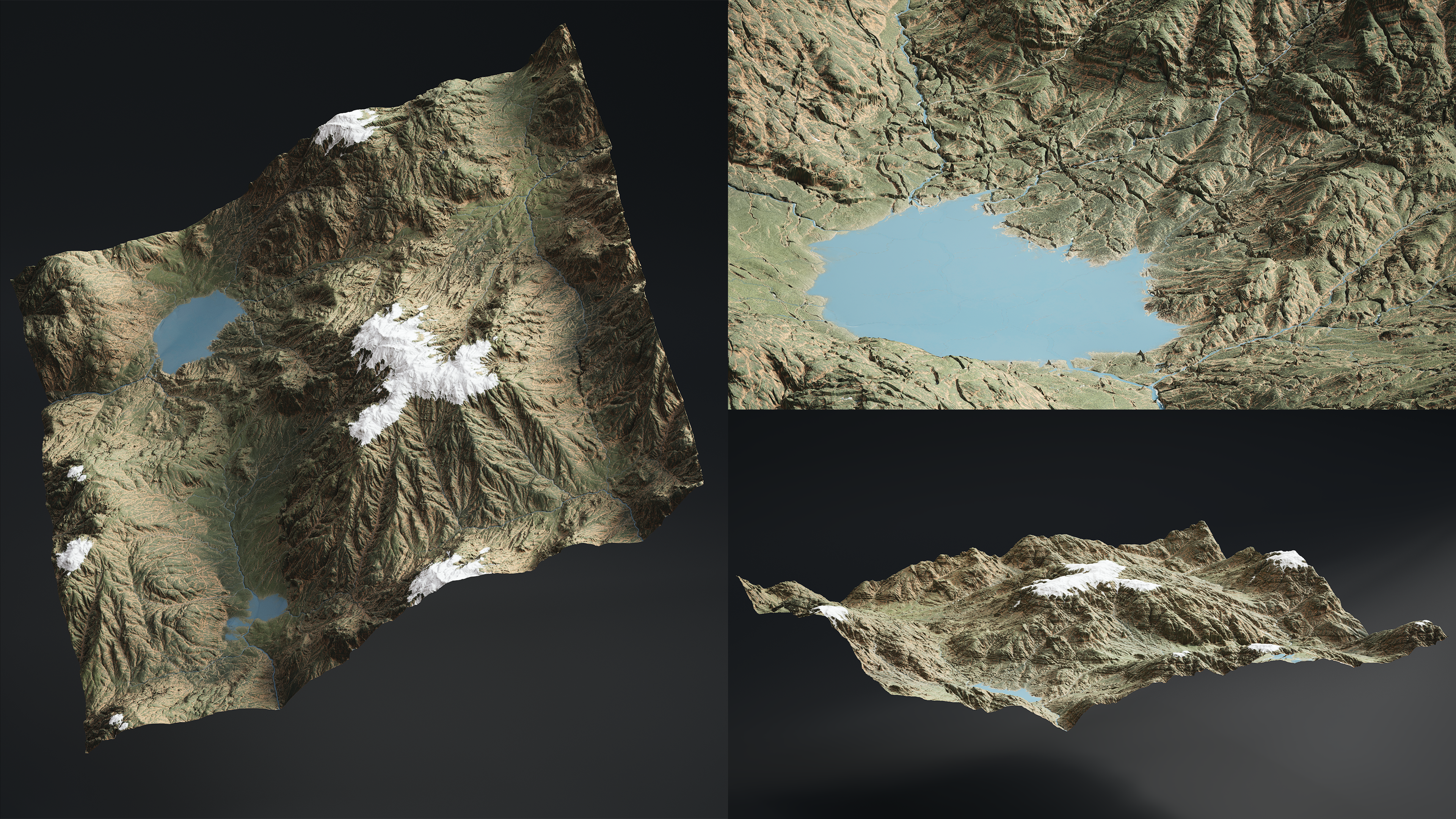
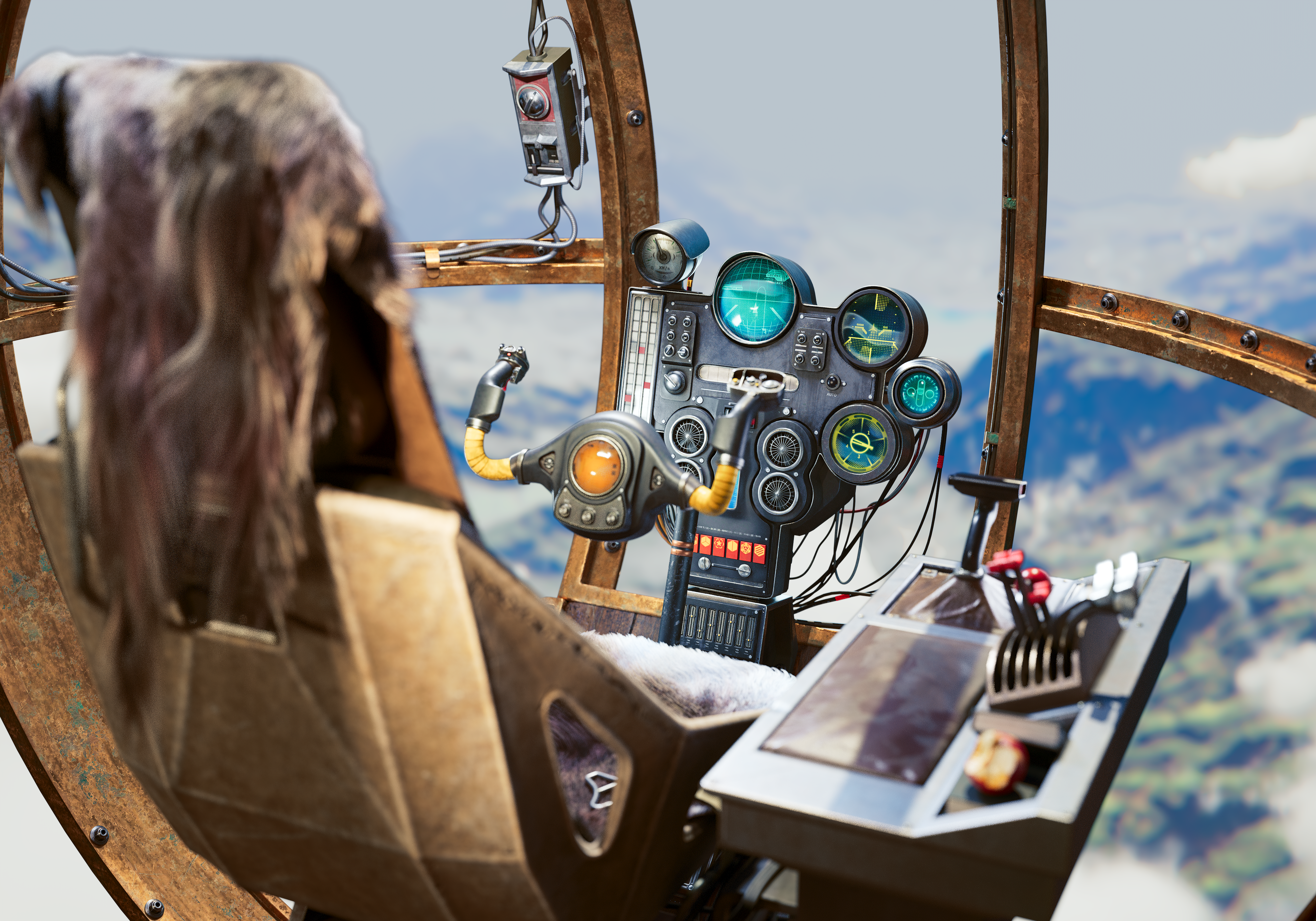
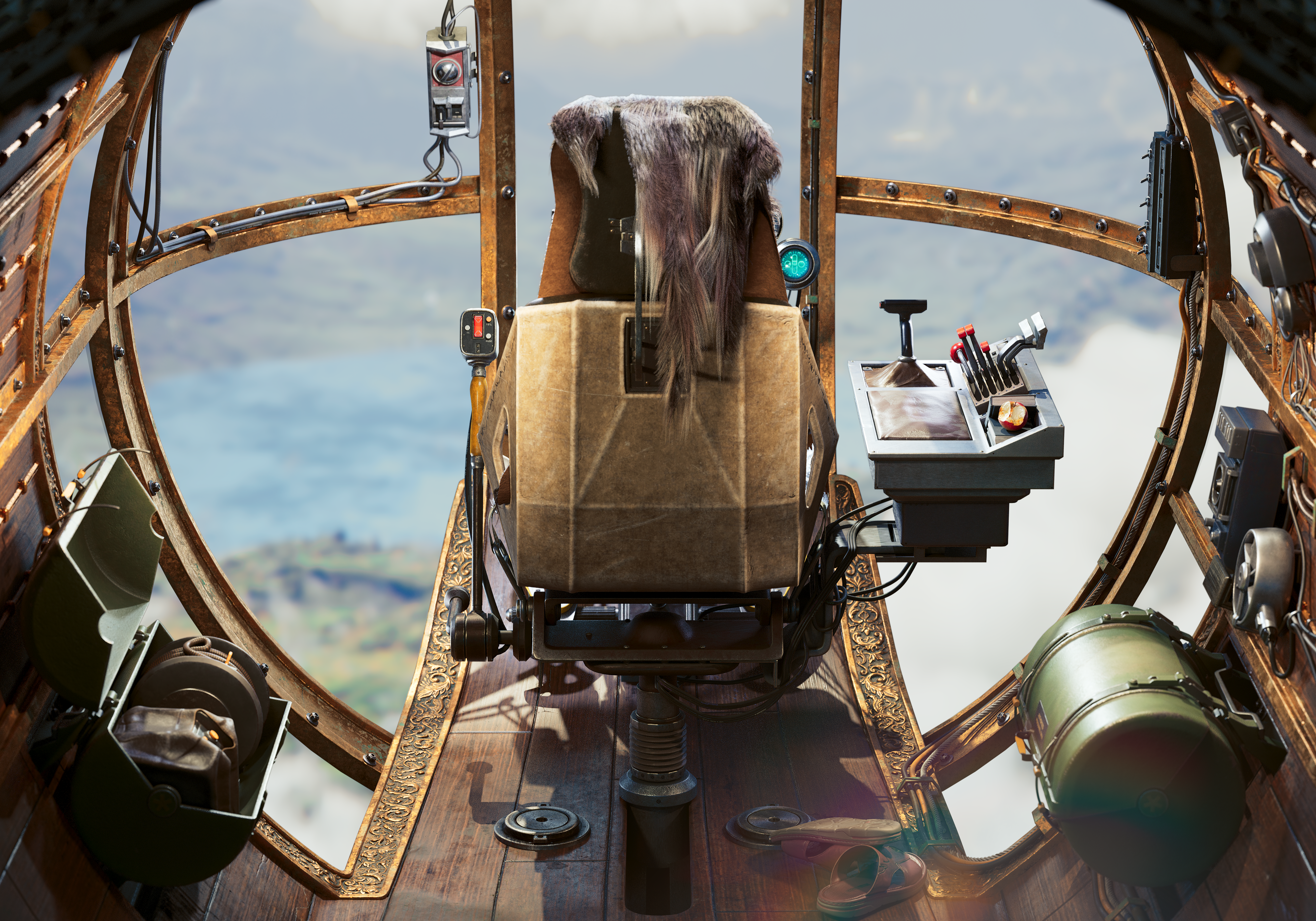
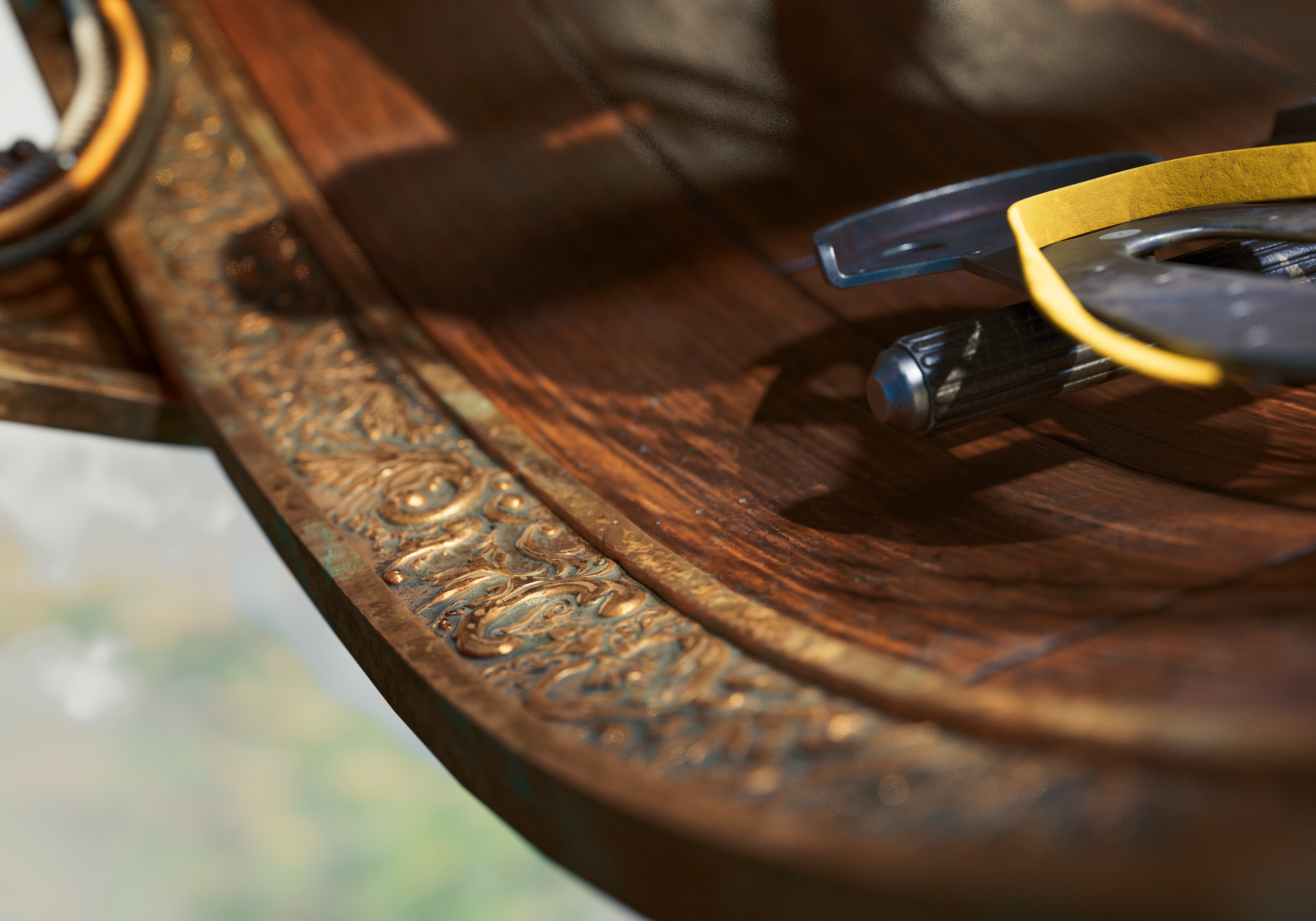
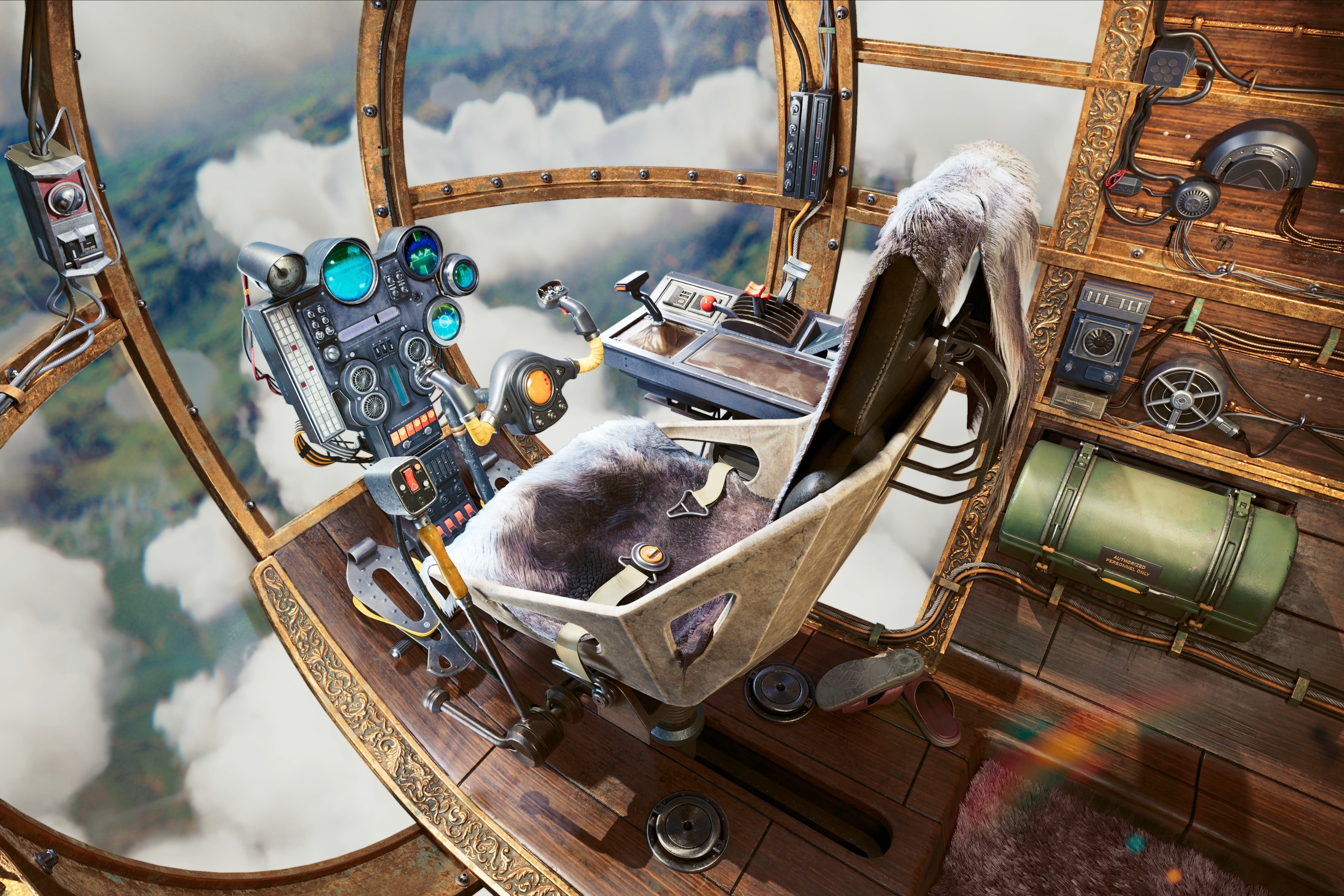
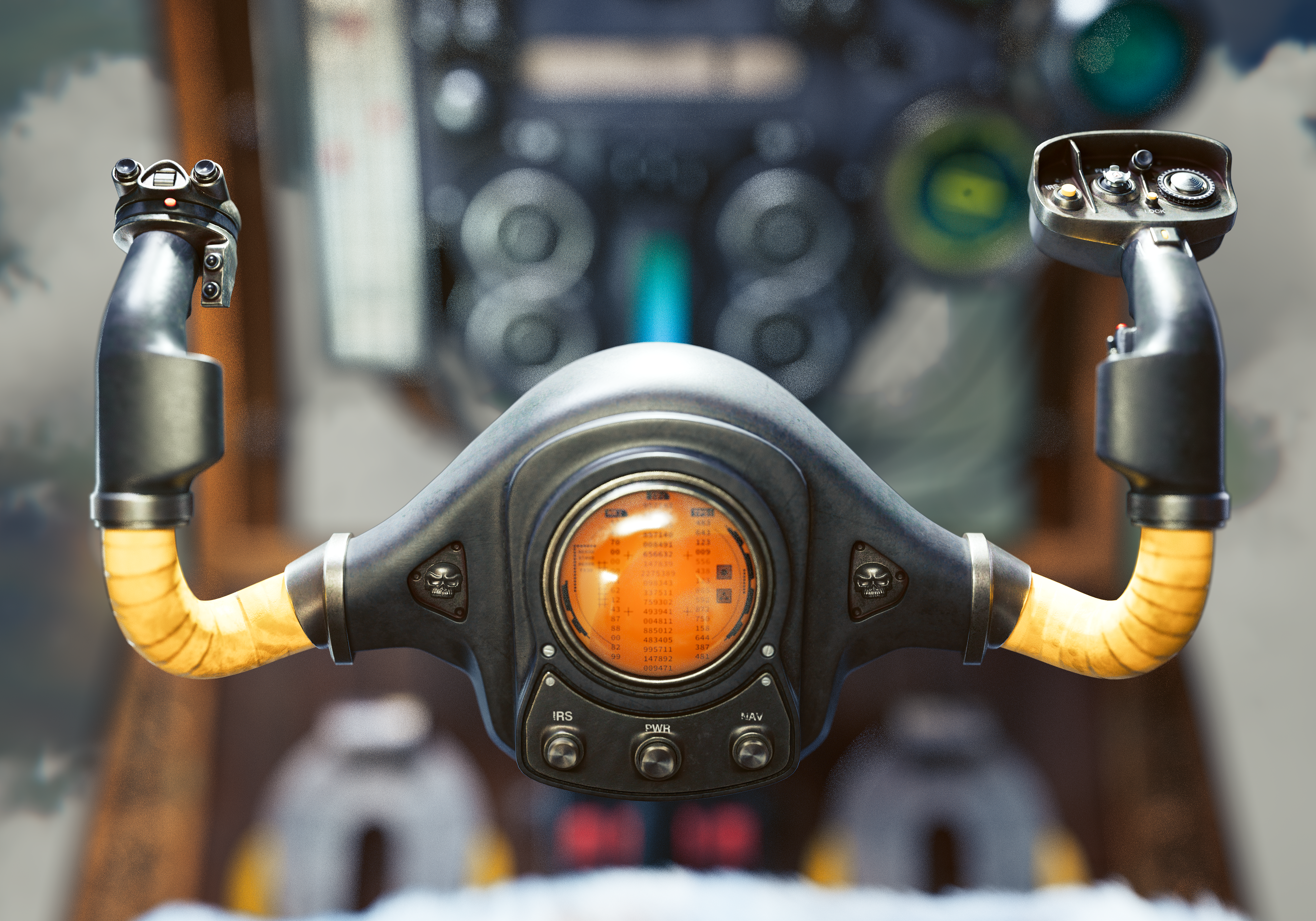
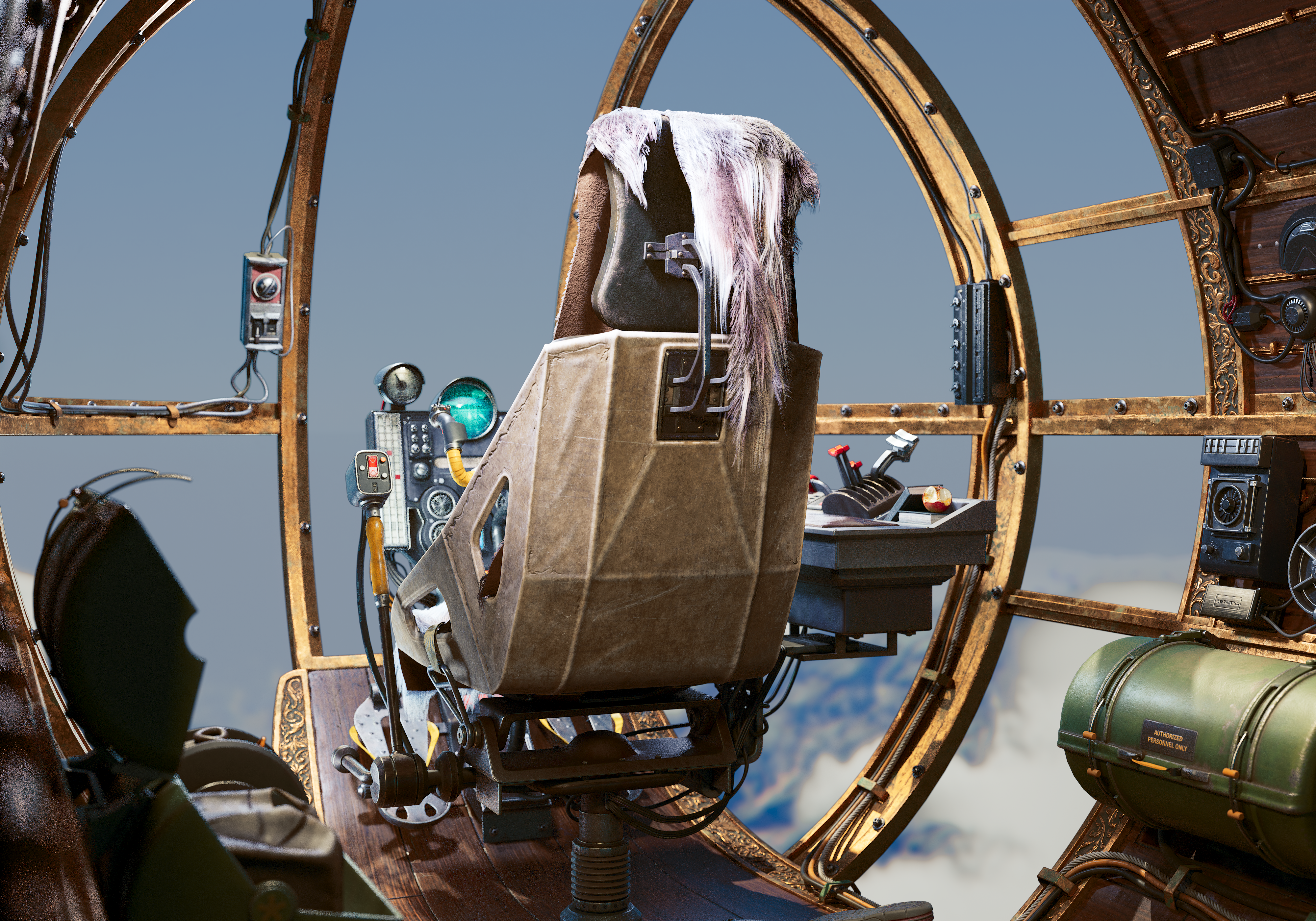
In The Sky | Cockpit
This project is 100% my own work — everything was done from scratch in over four months. All scene parts been made in UE5. Hope you will like it!
Original concept by: Nick Keller

 AbsFlame
Re: Hello, I made this environment with blender. Please leave feedback
 grumix8
Re: Gina (critique welcome)

____________
Phew, think that's that for the time being: Artstation
It took a while trying to figure out the lighting and rendering in UE. Various exposure settings nearly killed me. Makes me really appreciate how friendly Blender is =D It was made all that much harder because of ill-timed hardware adjustments that messed up my screen settings - what are the chances it would happen now?
In any case, one serious headache later, I got things working and ready to call it finished (for now). She really could use some props (like an Automag to heroically aim at things) and some NaPali enviro assets, but I'll just have to put it on the list of things to (hopefully) do in the next iteration.


I've read prologue from Unreal manual and thought it would be a shame to make the Prisoner a "stoic space marine convict" type of character in terms of facial expressions. They seemed to me like someone capable of having fun as a normal human being, despite whatever experiences landed them in prison.
So bonus EEVEE renders:


Side-by-side (kinda makes me want to try making a lowpoly character, a Nali maybe, with vertex animation):
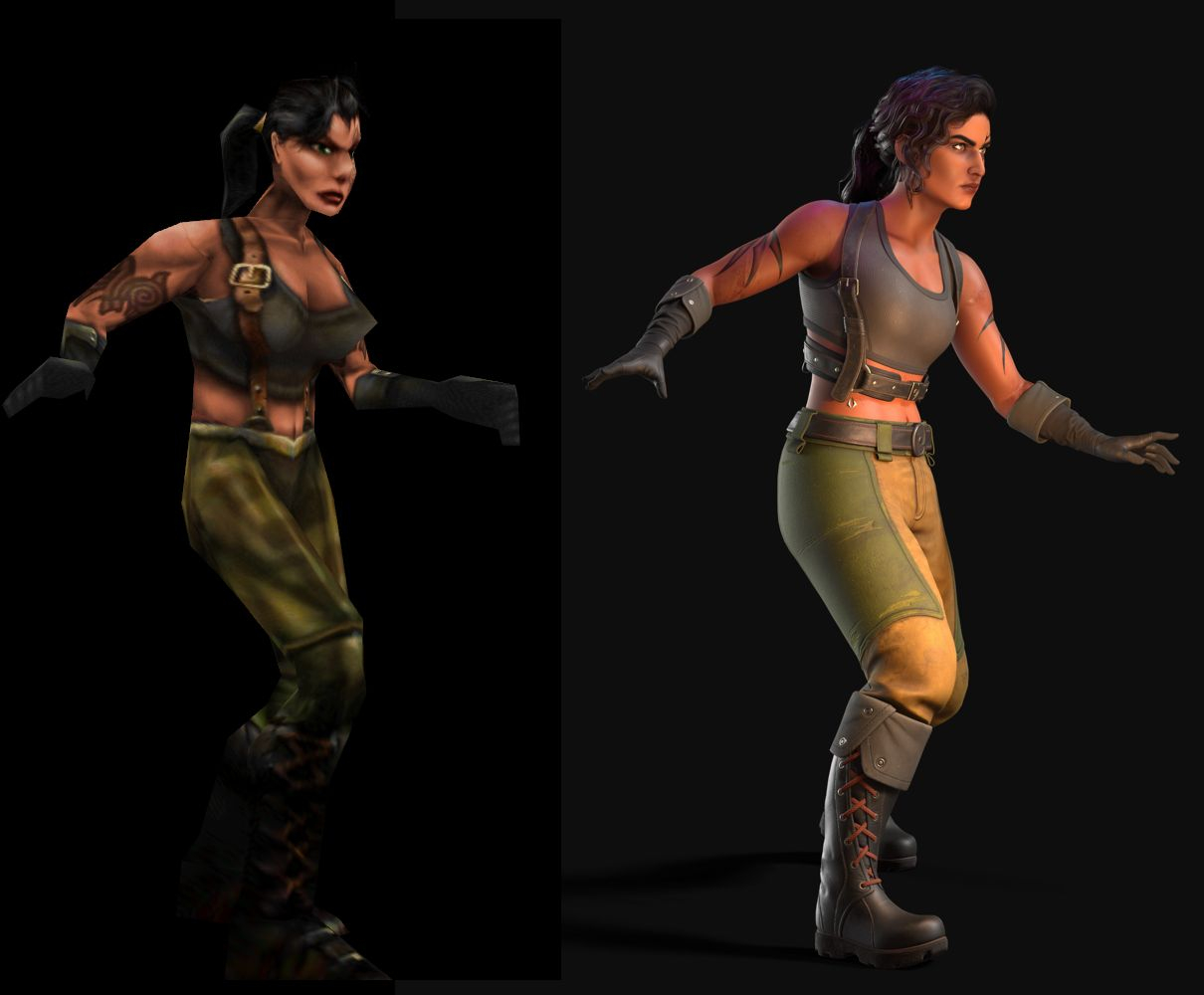
Some days ago I came upon UnrealRedux project (by Krull0r) and my whole model suddenly felt so... bland. Like an unnecessary high poly amateur cosplayer. There is still some stronger style to be found for this project, something that would make it a little bit more like Unreal. Wish I knew what that was.
Some exploration from before I started on the model:

 stray
stray
Re: LOW-POLY ART
 iam717