Best Of
Andor likeness
Hi Polycount! I thought to share my recent likeness study here too.
I Practiced recreating Cassian Andor (portrayed by Diego Luna) with a real-time render in Unreal Engine 5. Artstation link: https://www.artstation.com/artwork/8BG5E6
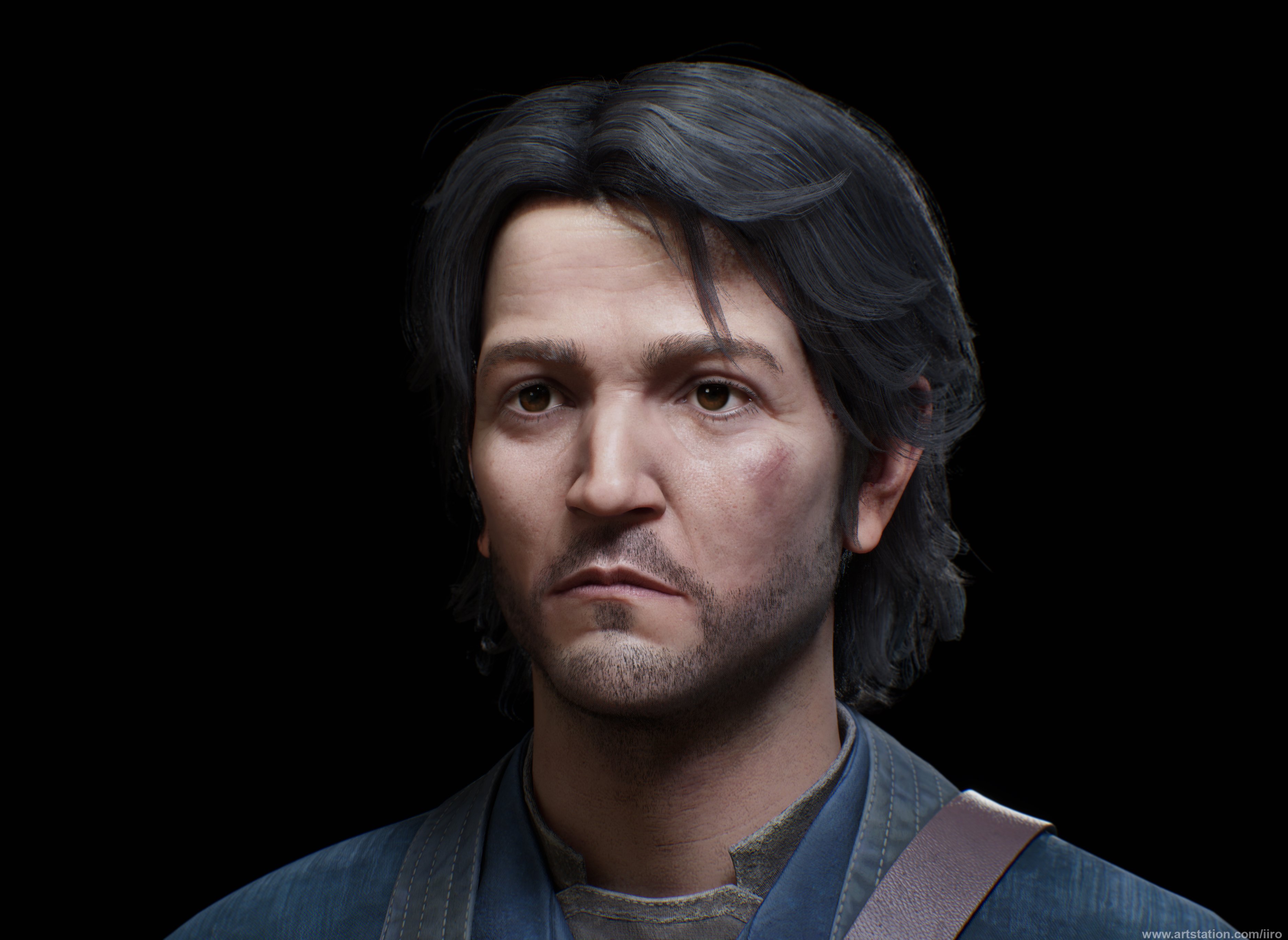
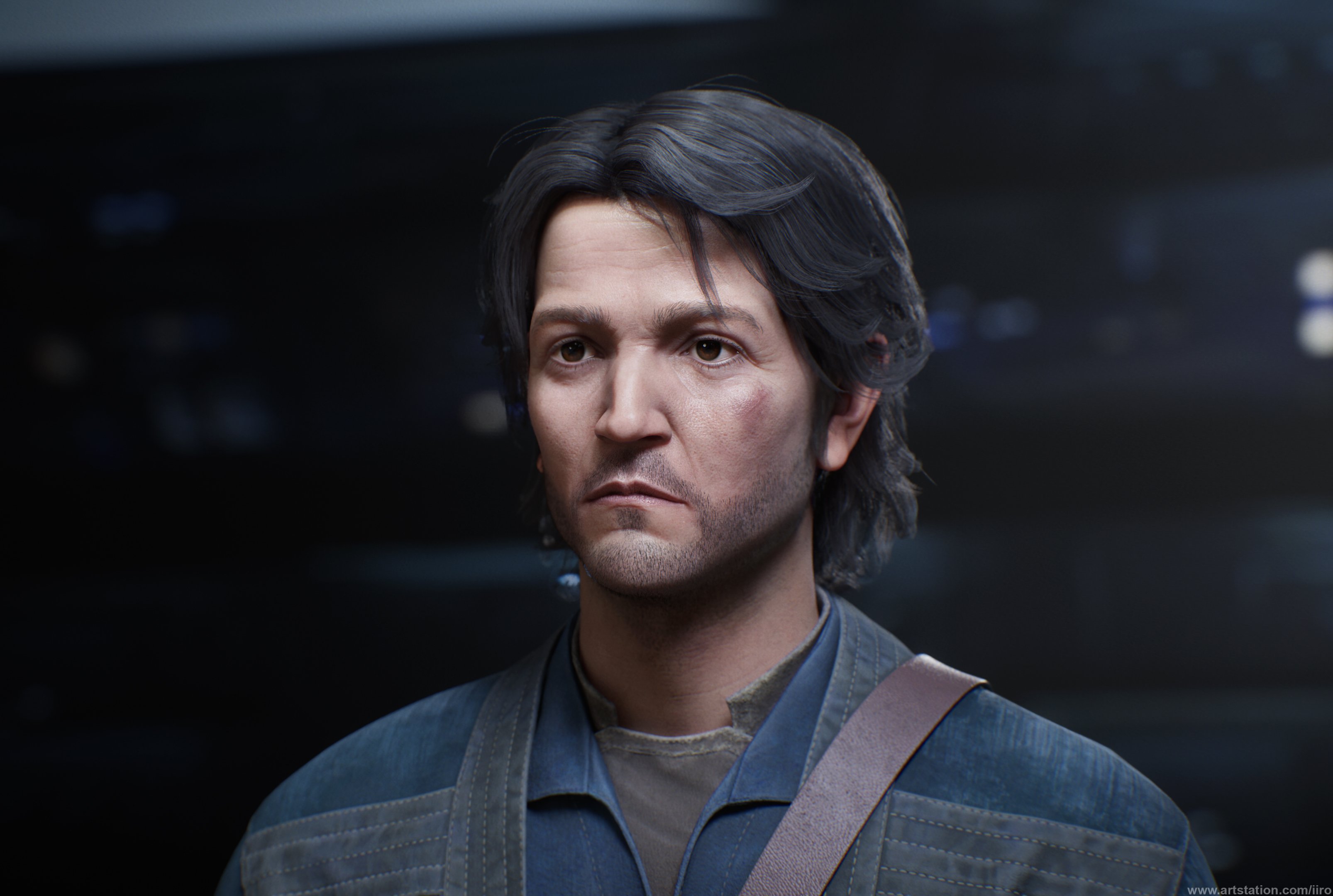
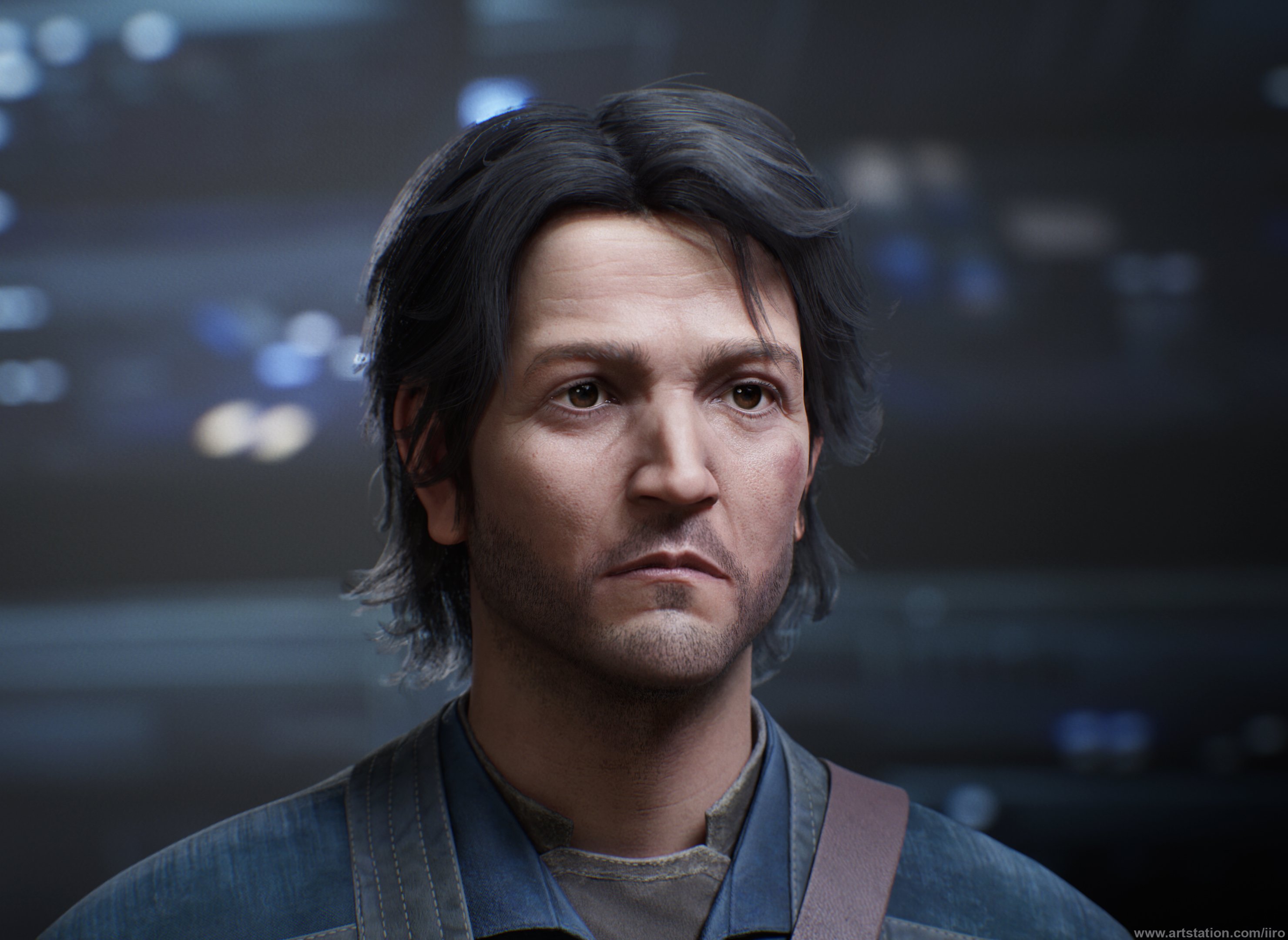
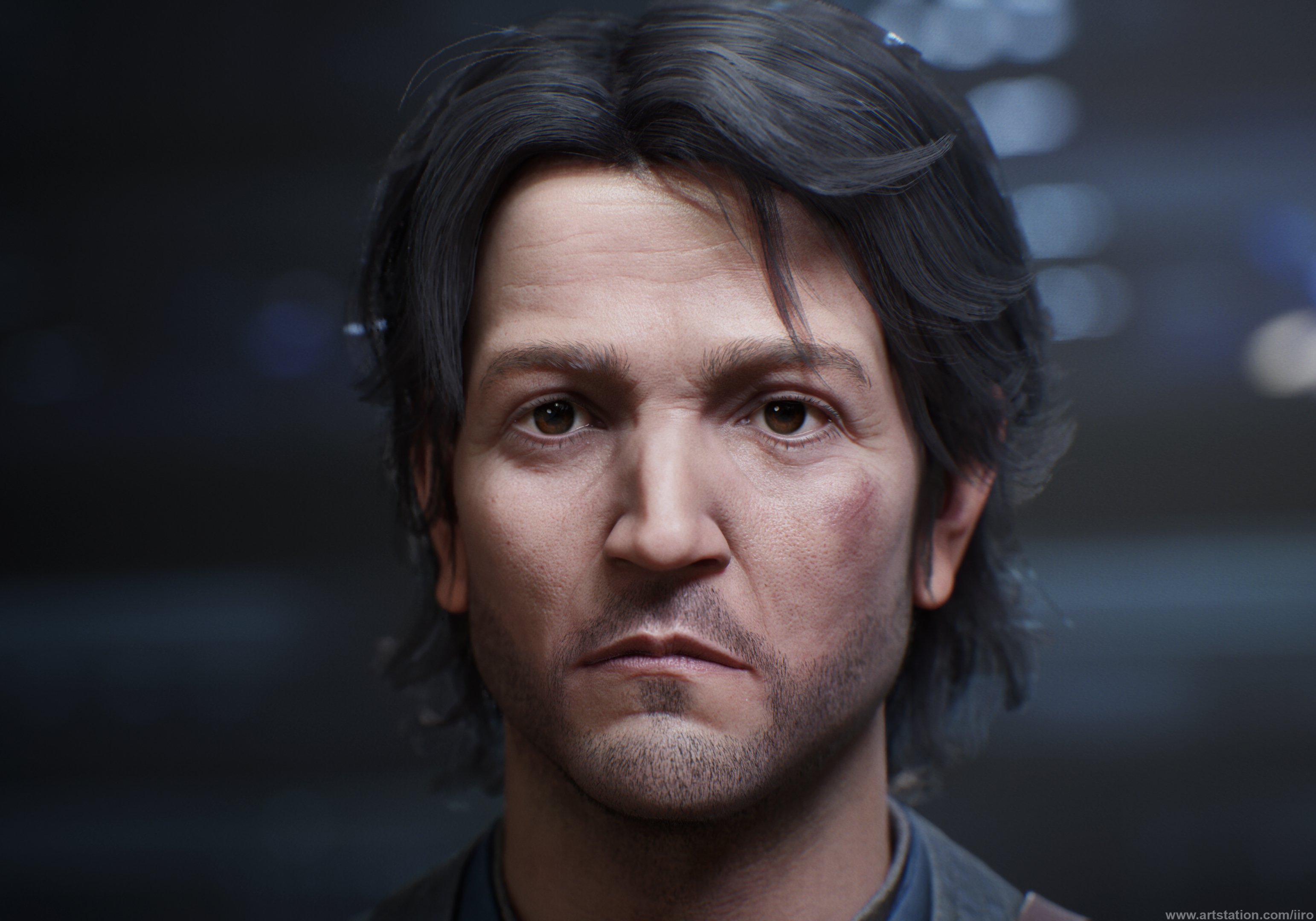
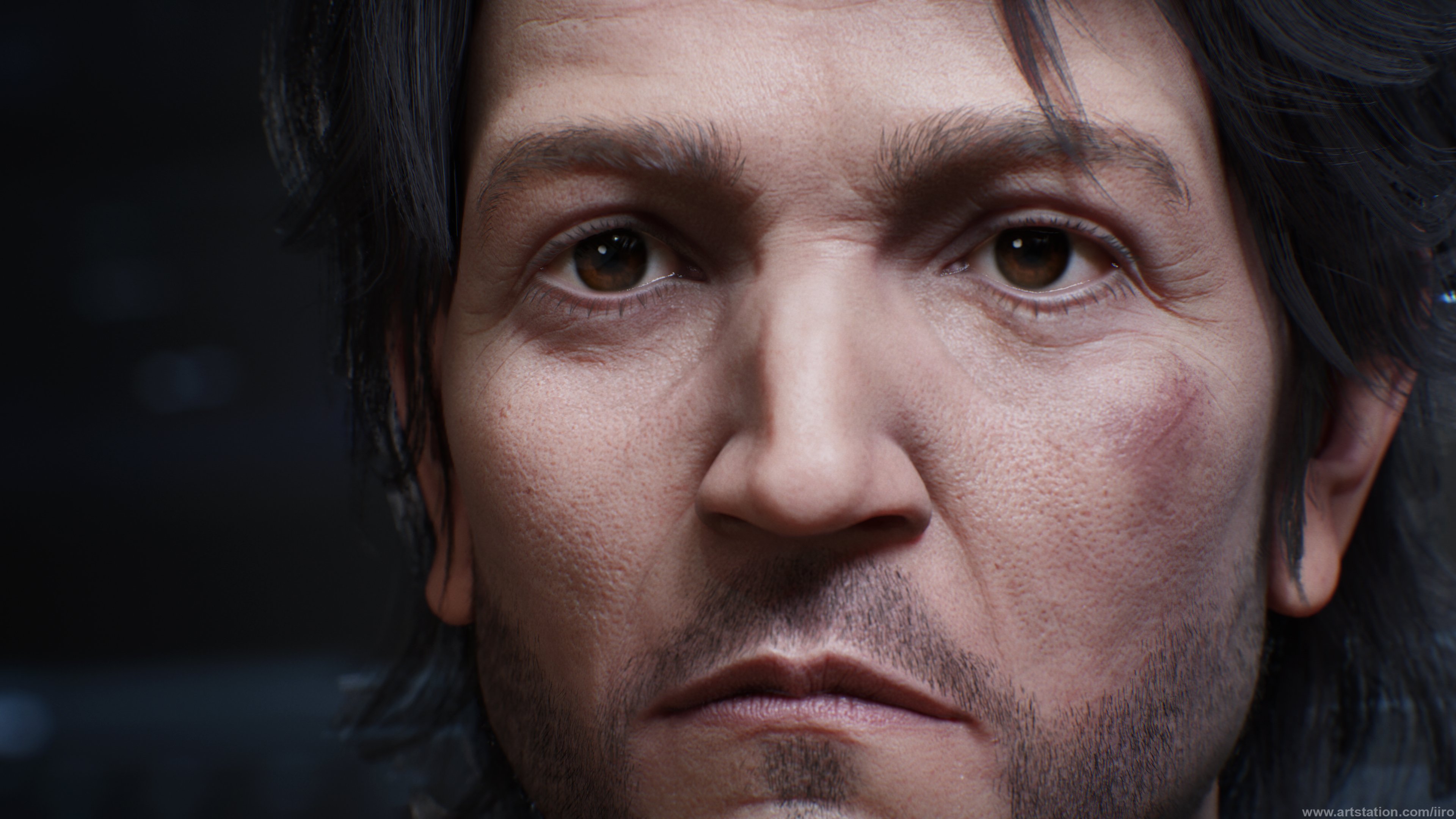
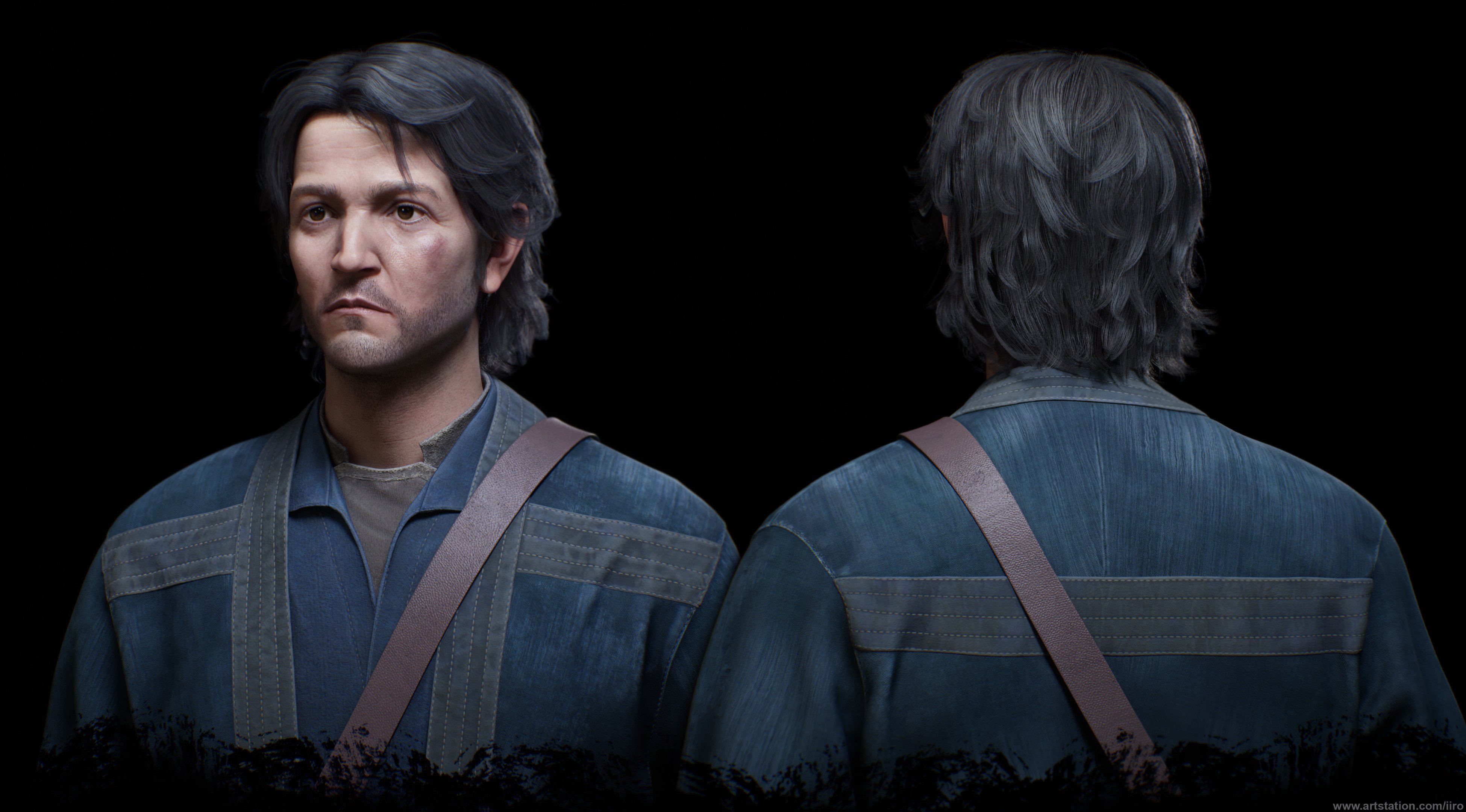
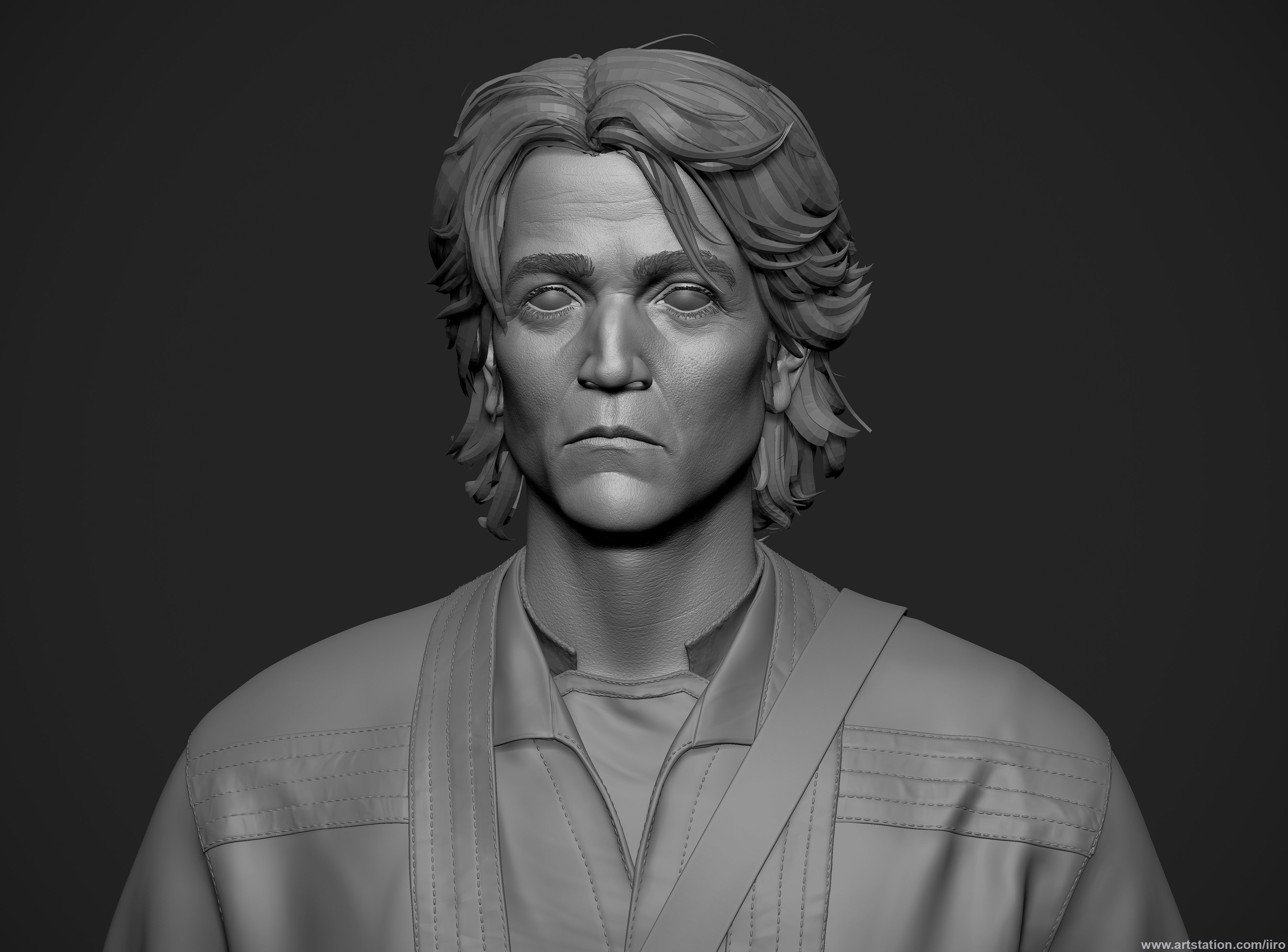
Thanks for looking. Even though I am finished with this project I am still happy to hear critique.
I Practiced recreating Cassian Andor (portrayed by Diego Luna) with a real-time render in Unreal Engine 5. Artstation link: https://www.artstation.com/artwork/8BG5E6
Thanks for looking. Even though I am finished with this project I am still happy to hear critique.
 Rolang
4 ·
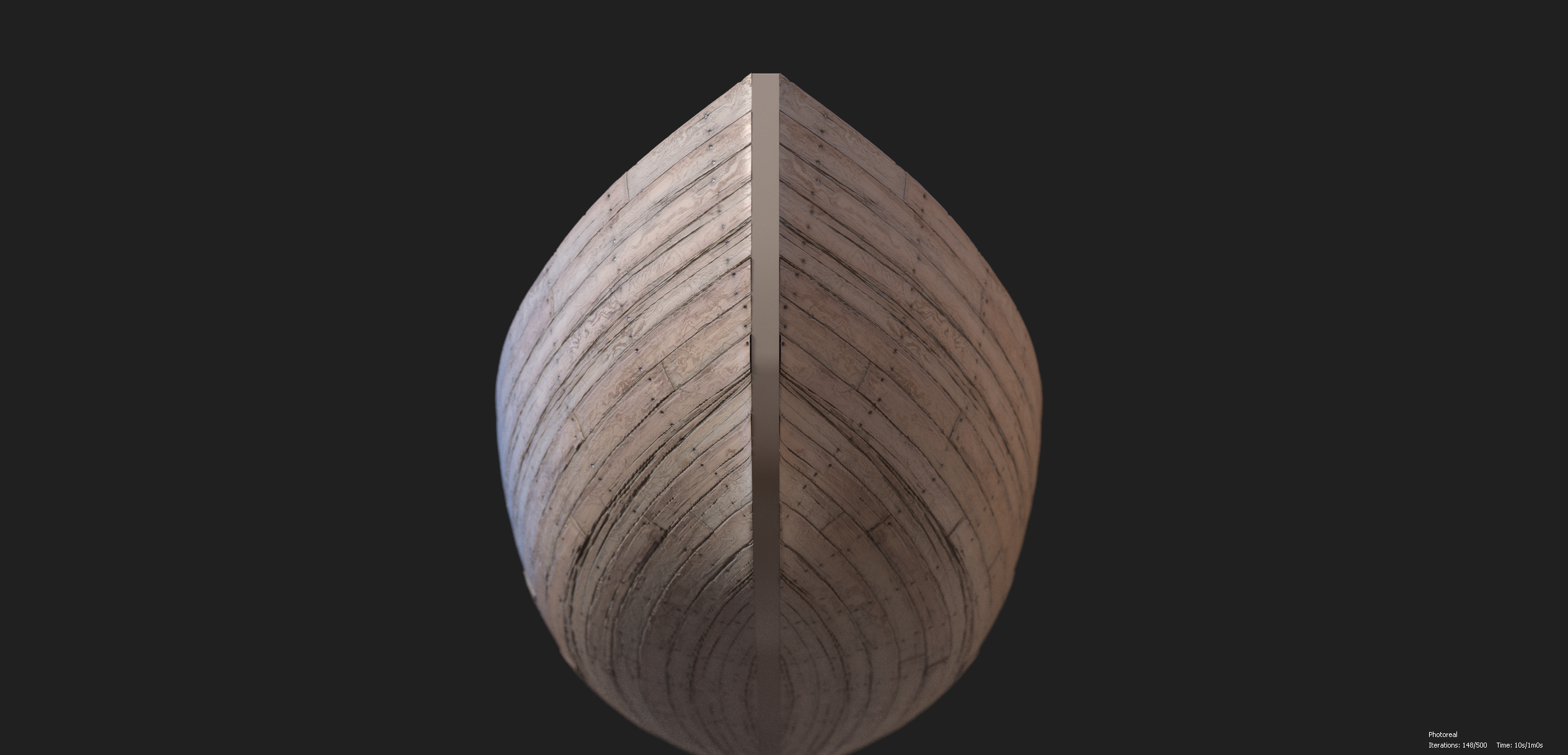
Re: [WIP] Lifeboat James Caird
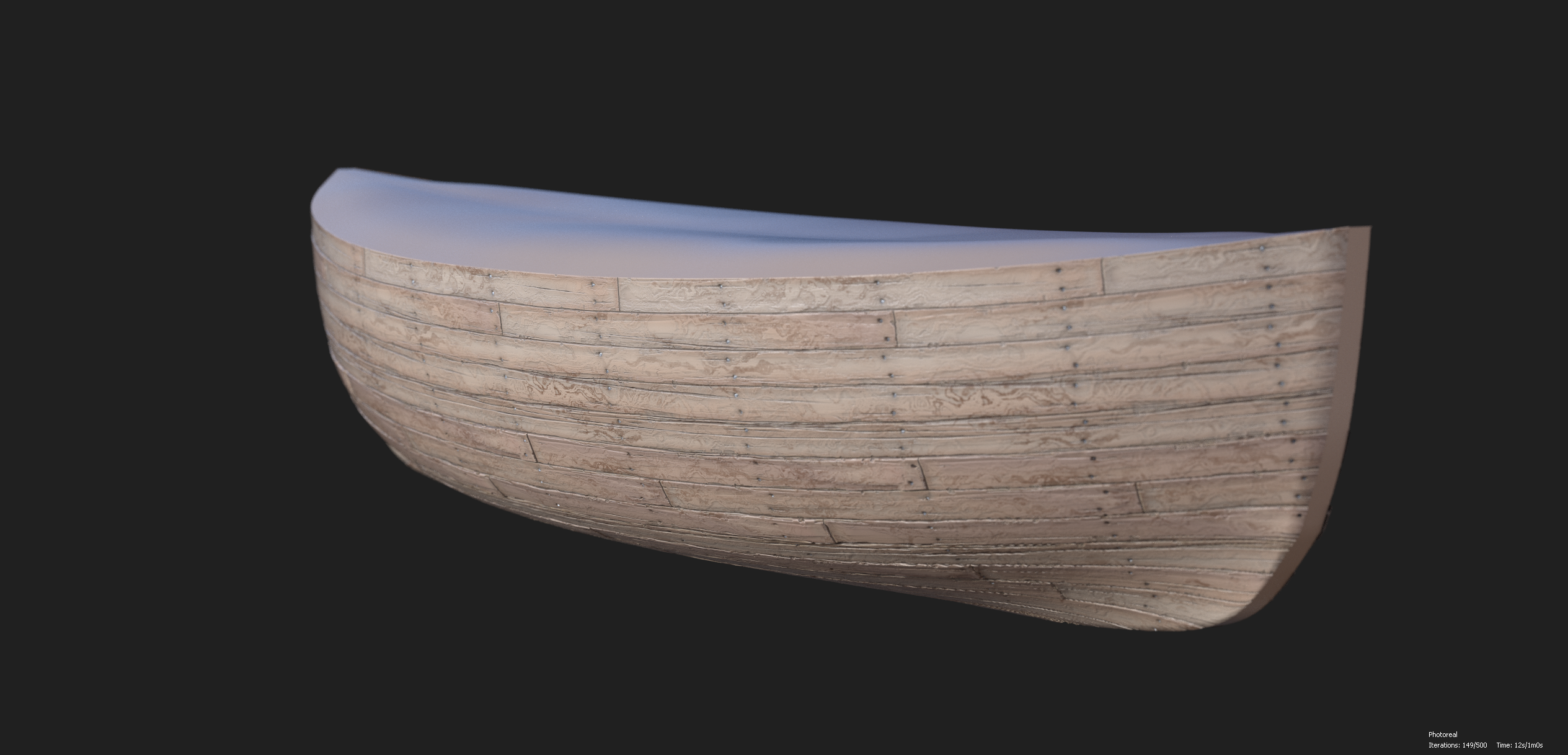
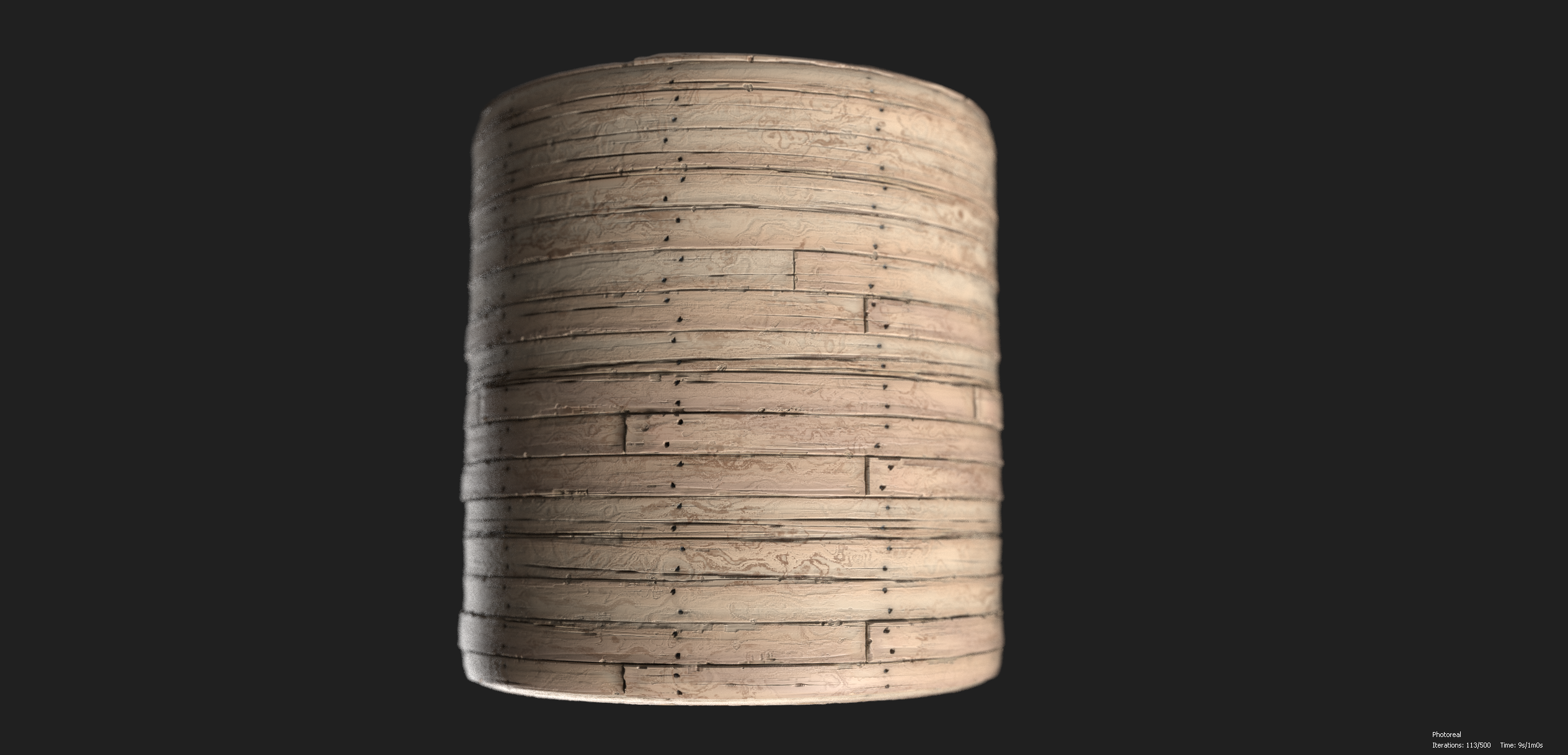
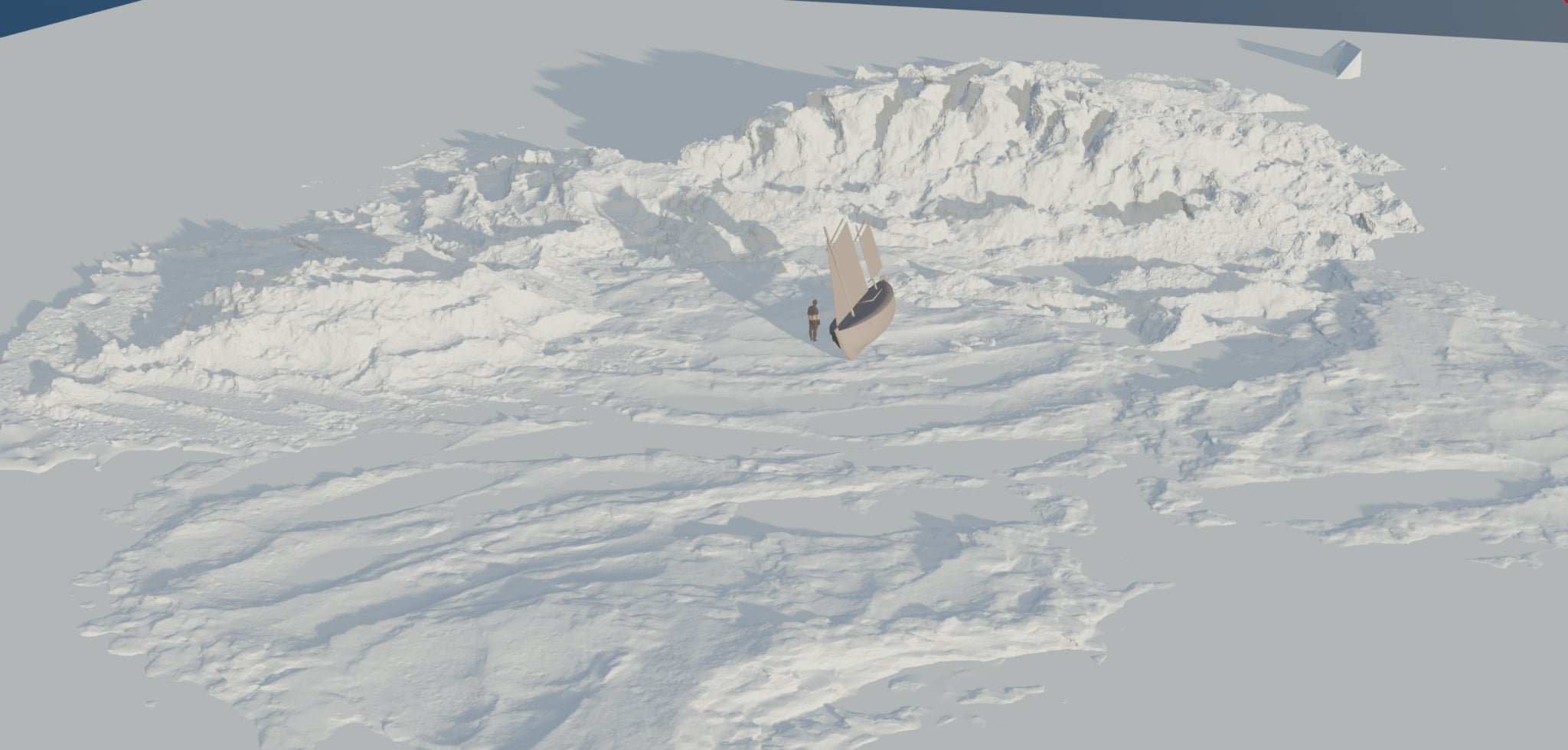
beginnings of work on trim material for the hull, also did some quick test with scanned piles of flour that I might try to use as snow in final render
 Łukasz
2 ·
Re: [WIP] Portable Stylized Drinks Dispenser
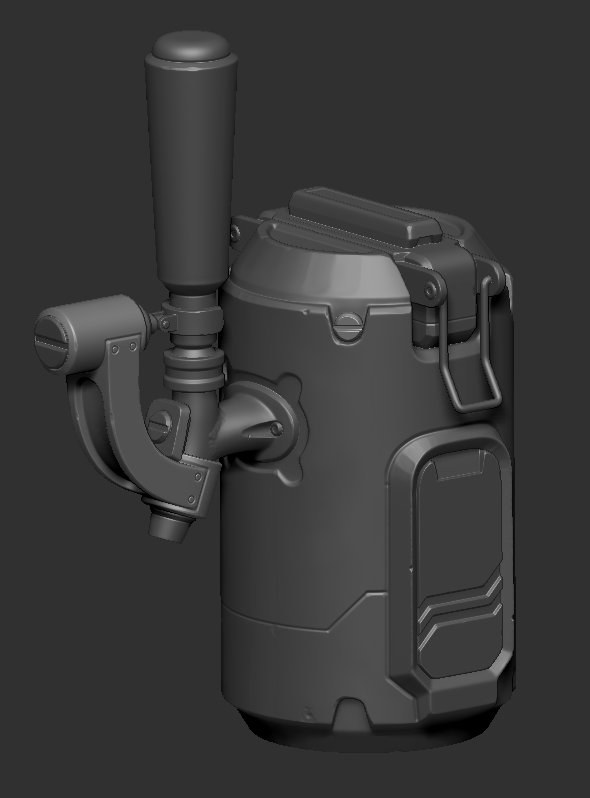
Just did basic polishing + added a bit of details, planning to do another pass on the sculpt and then will move on to baking
 qwedeath
1 ·

Re: AI and future of 3d artists
"Did a lot of research before giving up web dev. Really wanted to make a
living makin flashy sites but with AI i don't see a future there. "
I might suggest another pivot toward CG programming or back-end IT stream, studios are still on the look out for tech artists/game engine software engineers...etc despite this current ai hype, I mean no one in their right mind would allow a bot let loose amidst their inhouse codebase...
Note:
Just a personal observation from someone who was in your shoes during the dotcom boom mid 90s to early 2000s era, when I gave web dev a crack though hadn't the necessary attributes to exel at it but occasionally do still keep my hand in on minor stuff.
 sacboi
1 ·
Re: AI and future of 3d artists
In my experience, Ai tools make sense to use as a shortcut for small bits of menial work. As long as the task is well-defined with plenty of decent-quality source material for the model to pull from. And only if I am able to filter the output using my own specific subject-matter expertise.
It's great at handling the filler, not so great at getting the specifics correct.
I recently was handed a writeup, created with AI, about my artwork. It took care of around 80% of the formatting and content, but failed miserably at the crucial meat of the post, the most important information we want to share with the audience. Without human editing on the result, the output would be totally incorrect.
Does it save us time? Sure, if we're creating content that's been made a thousand times before, and just needs to be tweaked to match the current subject.
Curious how this is going to play out with actual 3d content-creation work, and not just writing press releases. I suspect it'll end up in the same general area, great to speed up some of the drudgery, but always needing an adult at the wheel to steer us away from the cliff's edge.
edit... I still have major qualms about using AI models at all, since they're all sourced with tons of copyrighted content, without any author permission. It's still all so fucking wrong.
It's great at handling the filler, not so great at getting the specifics correct.
I recently was handed a writeup, created with AI, about my artwork. It took care of around 80% of the formatting and content, but failed miserably at the crucial meat of the post, the most important information we want to share with the audience. Without human editing on the result, the output would be totally incorrect.
Does it save us time? Sure, if we're creating content that's been made a thousand times before, and just needs to be tweaked to match the current subject.
Curious how this is going to play out with actual 3d content-creation work, and not just writing press releases. I suspect it'll end up in the same general area, great to speed up some of the drudgery, but always needing an adult at the wheel to steer us away from the cliff's edge.
edit... I still have major qualms about using AI models at all, since they're all sourced with tons of copyrighted content, without any author permission. It's still all so fucking wrong.
 Eric Chadwick
3 ·
Re: People with Autism + ADHD innatentive who aren't medicated do you have any advice to be productive?
Digital hardware or traditional tools doesn't matter, it's whatever you're at ease working with I might also add gathering resource learning material for practice is not an issue, basically similar to what a background - ref 'blueprint' is implemented for example by hard surface artists, would use to guide their representation with some degree of precision drawing complex manufactured objects but that all said and I stress! at the end of the day do not attempt something that's uncomfortable and/or can turn into a grinding 'un-fun' process which is likely to aggravate your existing health issues.
*Engage in a thing you've a passion doing not because you think you have too*
However lol, this may seem like an oxymoronic statement to make after what I'd just wrote although there is always as in life, various avenues available to arrive at ones goal. If learning to draw via the conventional freehand techniques may not be suitable in your case, I'll then suggest try tracing subject matter you find most enjoyable, additionally for historical provenance, Renaissance - Baroque Masters such as Michelangelo and Caravaggio when apprenticed (back then centuries ago artists were tradesman making their living under patronage from wealthy people in order too ply their trade) were taught to copy/trace work of both their own respective Master artisans, this teaches Observation IMHO a much overlooked art principle:
"Observational art requires artists to study subjects on their own terms.
By keenly observing light, colors, forms, textures, and more, artists
can recreate their subjects as realistically as possible. This method
not only challenges artists but also infuses their artwork with energy
and originality that cannot be achieved when using photographs as
references"
Aside from Anatomy, Perspective, Form and Structure, Lighting and Shadow, Color Theory plus Composition, observational skills contribute in building a visual library, essentially one begins to develop a more attuned intuitive perspective when viewing their immediate environment over time. I know rather daunting at first but from experience was personally for me an eyeopener, oh! and tracing also creates muscle memory alongside hand/eye coordination using whatever implement either tablet stylus or charcoal stick or graphite pencil on paper so my advice give it a go! I'll caveat as well at your own pace, if you choose to do so
Lastly I'd recommend books authored by Andrew Loomis (pdf format) now free is still much revered by generations of artists:
EDIT:
Any further questions please feel free to post, glad to help
sacboi
1 ·