Search
-
How is this kind of cloudy edge noise generated? (texture generated by ChatGPT)

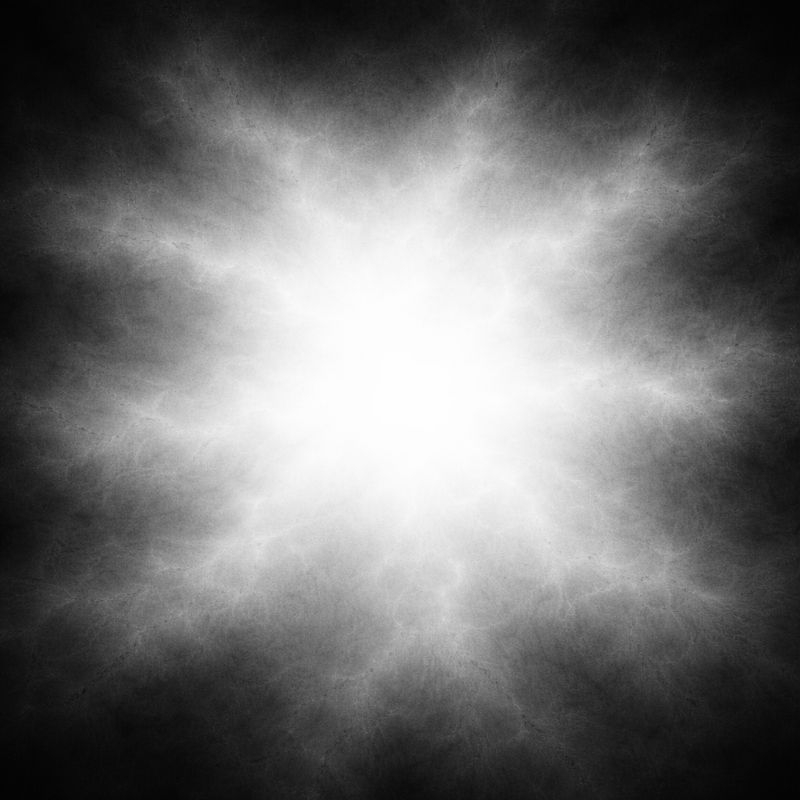 I’m trying to identify the noise used for the edge, not the gradient. This texture was generated by ChatGPT, but ChatGPT could not guide me on how to recreate this effect myself. The edge has a cloudy, wispy, directionless look. What noise or technique is typically used to generate this kind of texture?
 -
Re: How is this kind of cloudy edge noise generated? (texture generated by ChatGPT)
 and did you try that? half of it makes no sense.
 -
Re: How is this kind of cloudy edge noise generated? (texture generated by ChatGPT)
@Eric Chadwick Thanks for the information — the results look really promising. -
Re: How is this kind of cloudy edge noise generated? (texture generated by ChatGPT)

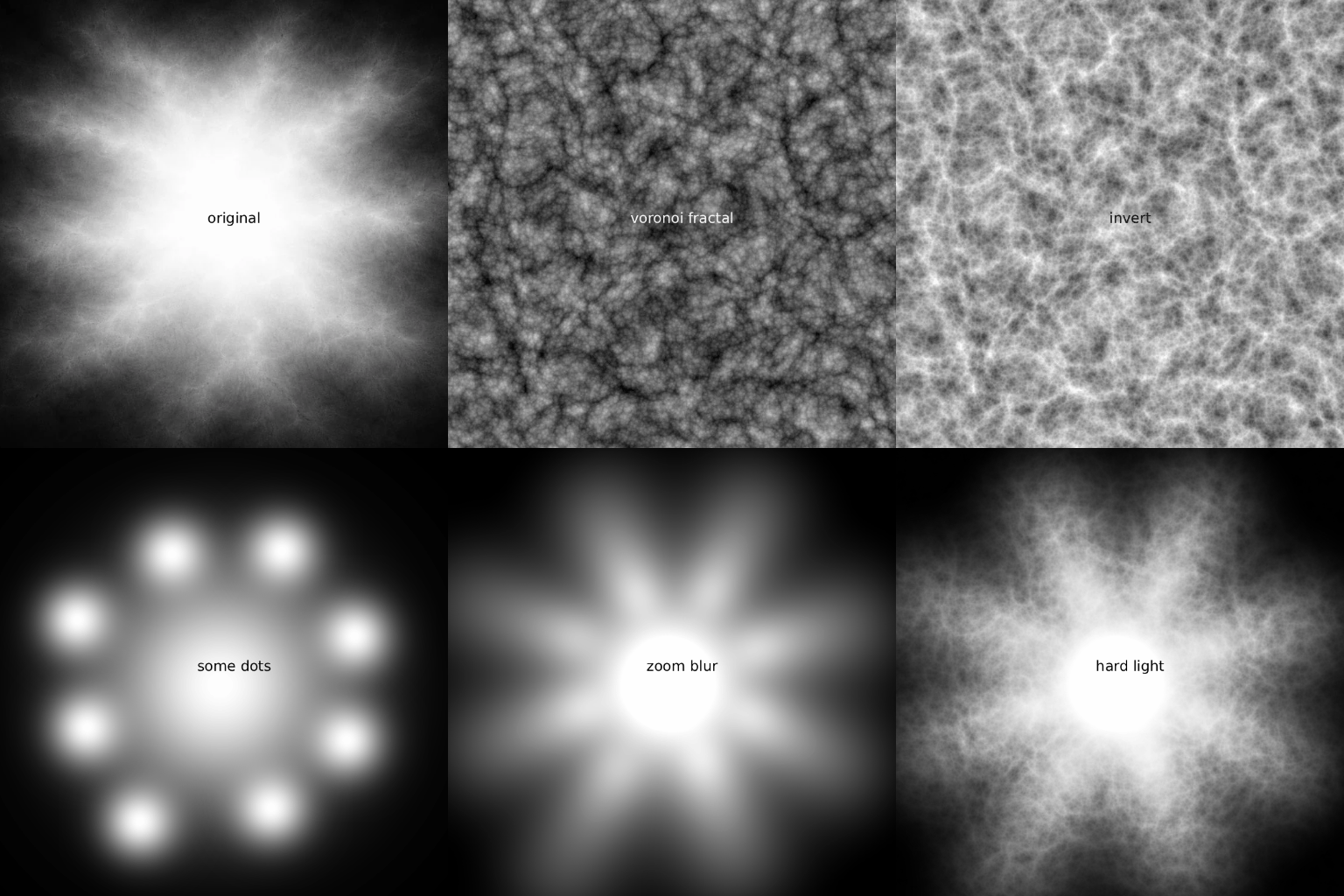 Back to the OP's question, my first thought is to look through the Noise nodes in Designer. I bet you could get something close with Voronoi Fractal.…
 -
Re: How is this kind of cloudy edge noise generated? (texture generated by ChatGPT)
 ... and of course no link to the actual source of these regurgitated tutorial instructions is provided, as if this came out of thin air :/ I believe this has been mentionned before : if I am not mistaken (mods would have to confirm this), posting output from LLMs as a reply to someone asking for help is not welcome here…
 -
Re: How is this kind of cloudy edge noise generated? (texture generated by ChatGPT)
If chat GPT doesn't tell you, try Gemini. I noticed it makes better images than chat GPT. -
Re: How is this kind of cloudy edge noise generated? (texture generated by ChatGPT)
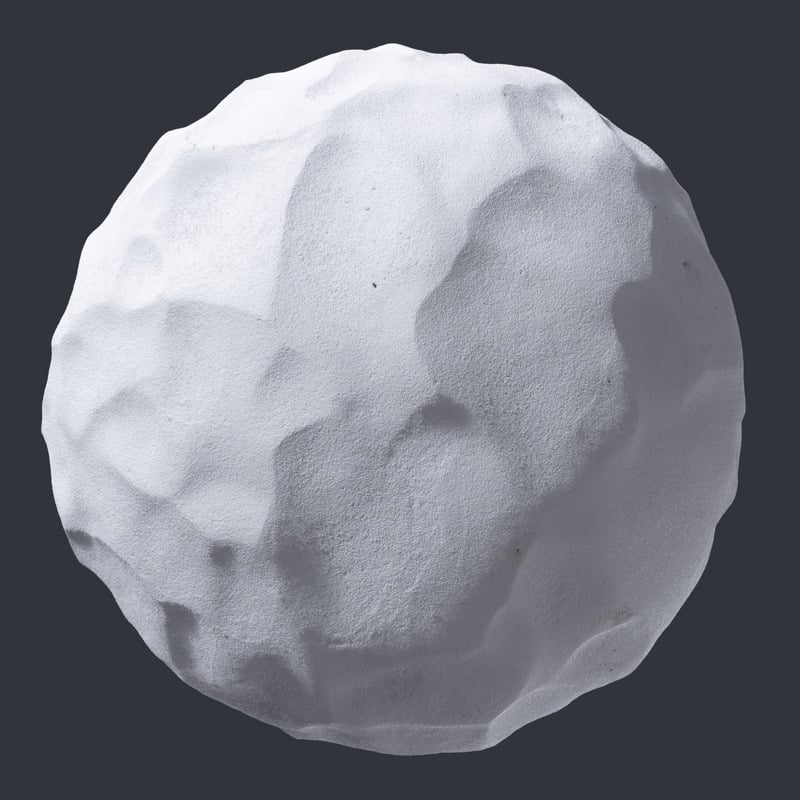 It says it's scanned, so it's from a real surface. Here's their preview render: Could be replicated with a Cellular or Voronoi pattern, using varying cell sizes. For…
 -
Re: How is this kind of cloudy edge noise generated? (texture generated by ChatGPT)
@Eric Chadwick Do you know how to create this kind of heightmap using some form of noise? This has been bothering me for a long time. https://www.textures.com/download/3d-scanned-snow-2x2-meters/136961 -
Re: How is this kind of cloudy edge noise generated? (texture generated by ChatGPT)
Looks like we need to draw a clear line on the ground. We’ll craft something up. We’ve seen it again and again, these LLMs and GenAI algorithms snip and combine sources, often producing inaccurate results, because they lack the necessary context. Then the results are presented as facts, and most users accept them without… -
Re: How is this kind of cloudy edge noise generated? (texture generated by ChatGPT)
 you can get whispy from turbulence, and non-directional from fractal.... so it's probably layered fractal and turbulent noise at various scales. Another method could be a custom brush in photoshop....
10 results