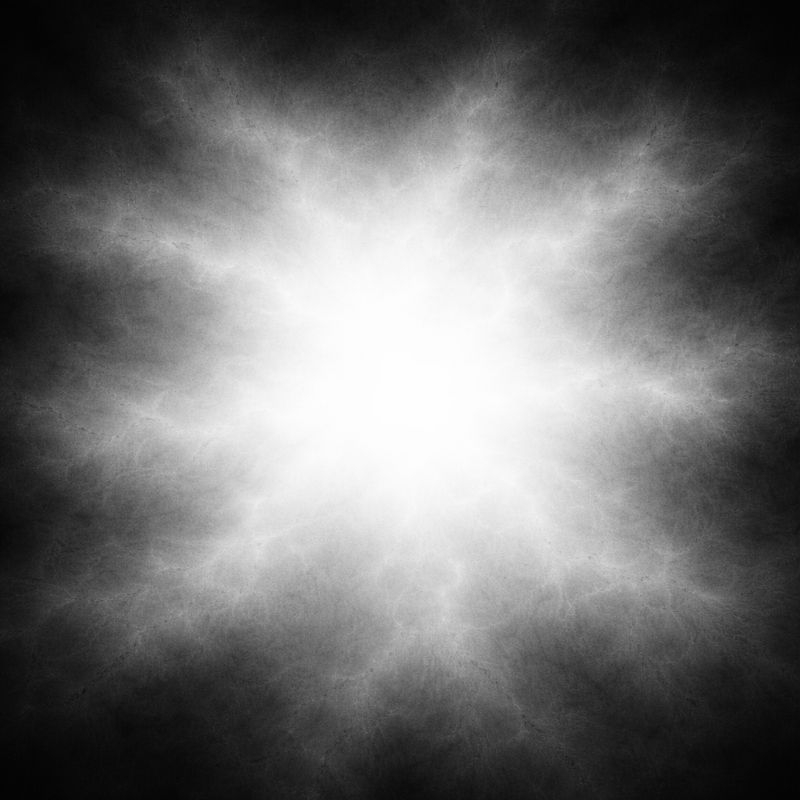
How is this kind of cloudy edge noise generated? (texture generated by ChatGPT)

I’m trying to identify the noise used for the edge, not the gradient.
This texture was generated by ChatGPT, but ChatGPT could not guide me on how to recreate this effect myself.
The edge has a cloudy, wispy, directionless look.
What noise or technique is typically used to generate this kind of texture?
Replies
I believe this has been mentionned before : if I am not mistaken (mods would have to confirm this), posting output from LLMs as a reply to someone asking for help is not welcome here since it can only spread misinformation.
We’ve seen it again and again, these LLMs and GenAI algorithms snip and combine sources, often producing inaccurate results, because they lack the necessary context.
For now, just avoid posting output from AI tools in replies. Unless you can provide sources and context, to show you aren’t trusting these things at face value.
https://helpx.adobe.com/substance-3d-designer/substance-compositing-graphs/nodes-reference-for-substance-compositing-graphs/node-library/texture-generators/noises/voronoi-fractal.html
A quick test
Thanks for the information — the results look really promising.
Do you know how to create this kind of heightmap using some form of noise? This has been bothering me for a long time.
https://www.textures.com/download/3d-scanned-snow-2x2-meters/136961
Could be replicated with a Cellular or Voronoi pattern, using varying cell sizes. For example https://helpx.adobe.com/substance-3d-designer/substance-compositing-graphs/nodes-reference-for-substance-compositing-graphs/node-library/texture-generators/noises/cells-3.html
I suggest digging around in the Designer docs, learning about the various noise nodes they have. Very instructive!