Unreal 5 and not using Nanite

polycounter lvl 5
Hey,
I have been posting a couple of projects on the work I did for Fading echo. I have just finished working on a new one where I discuss why we took the decision to completely remove Nanite from our project and how to optimise a game using old techniques rather than blindly trusting new features.
You will see that it is pretty standard but I thought I would share it with people for insights
If you want to see the full breakdown with videos and extra explanation head over to artstation: https://www.artstation.com/artwork/q0A9OR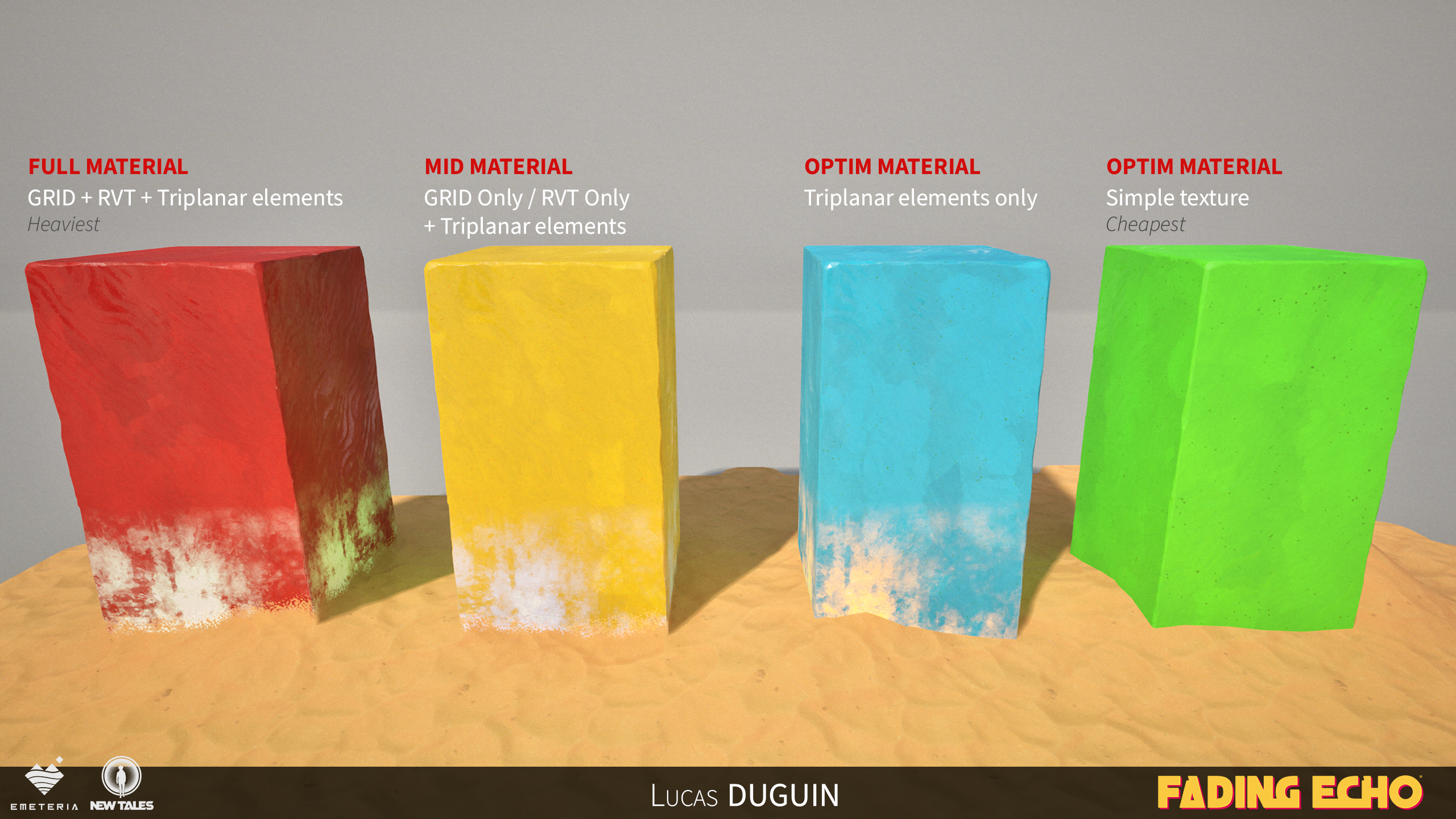
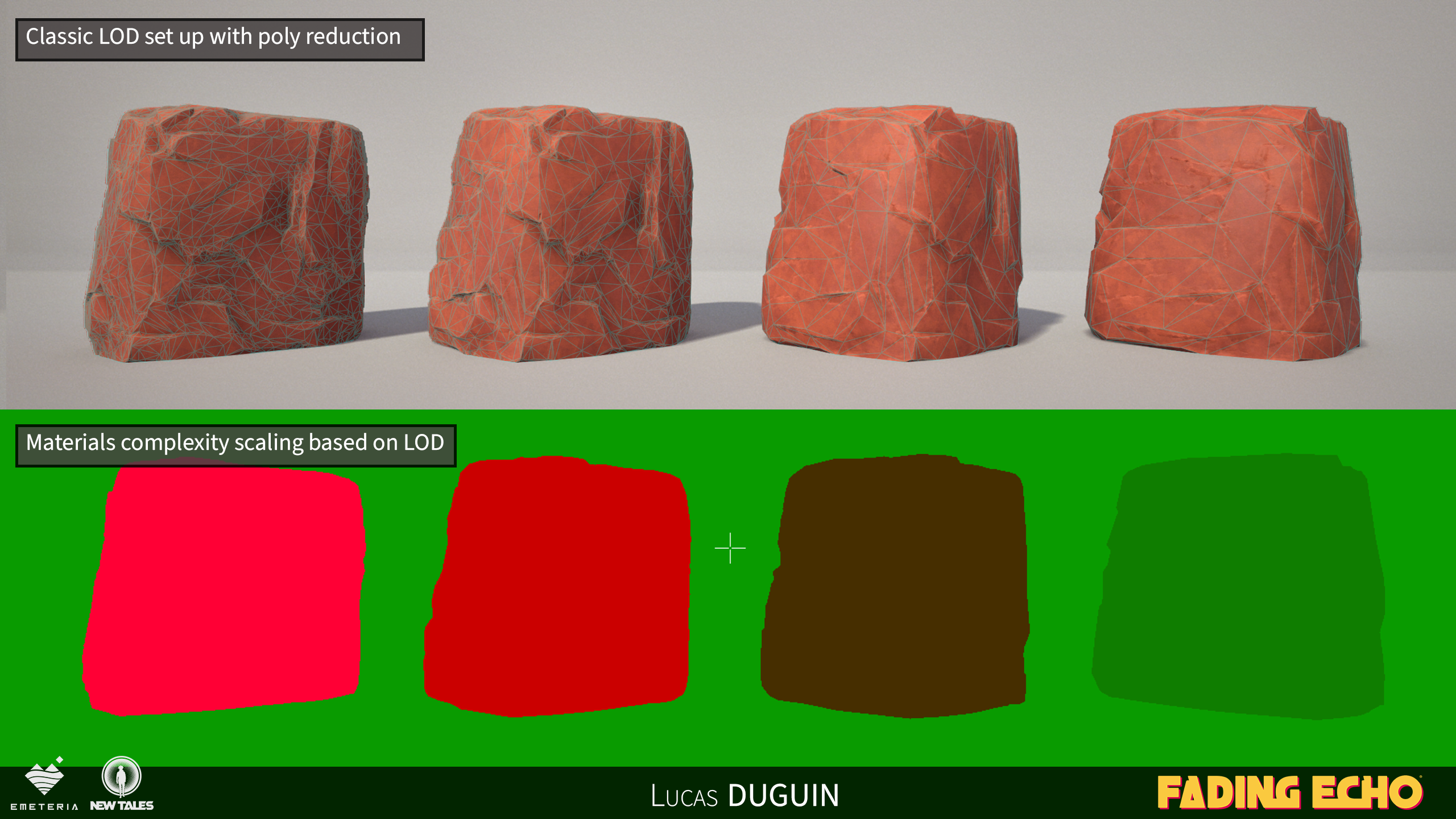
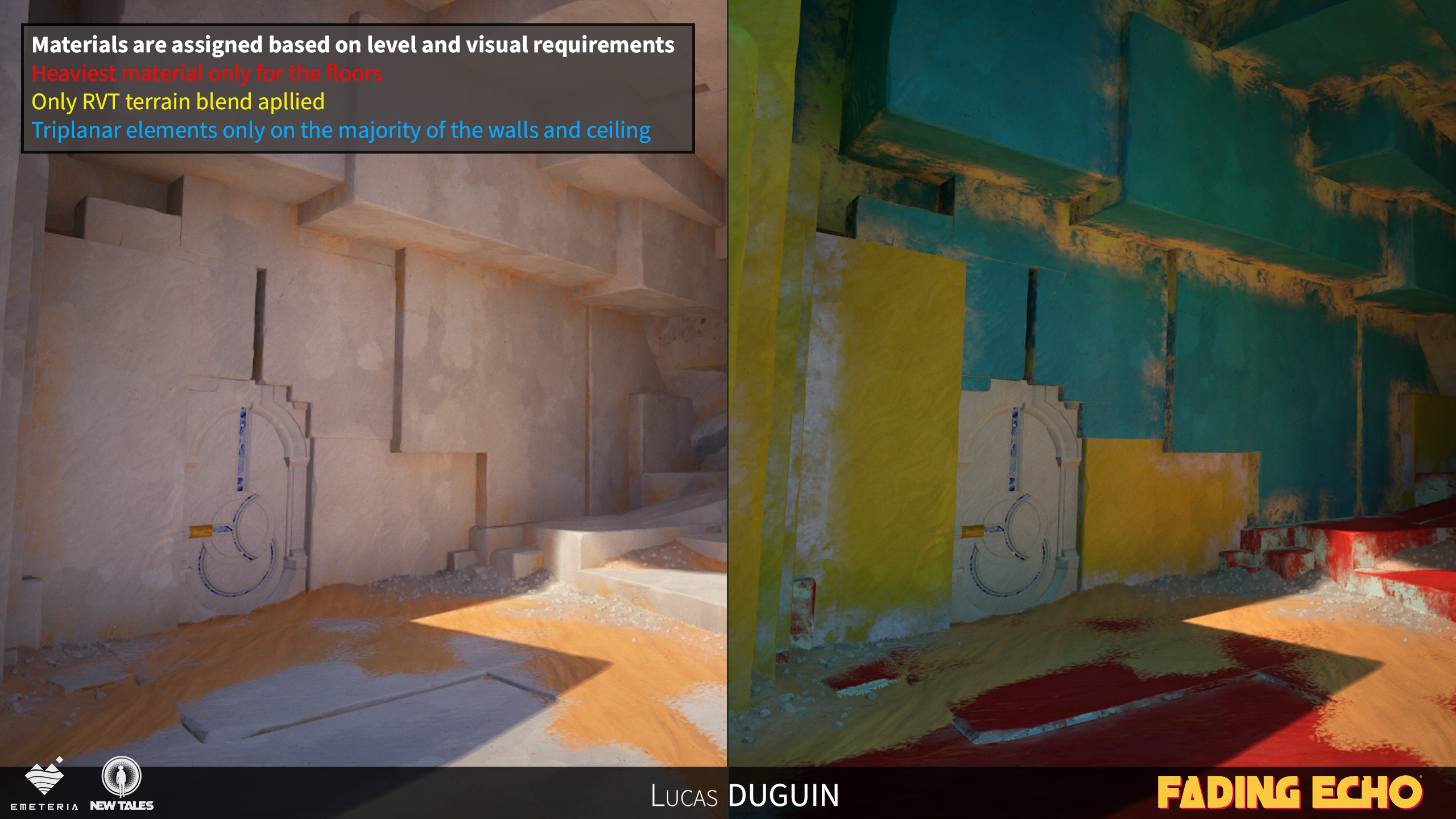
I have been posting a couple of projects on the work I did for Fading echo. I have just finished working on a new one where I discuss why we took the decision to completely remove Nanite from our project and how to optimise a game using old techniques rather than blindly trusting new features.
You will see that it is pretty standard but I thought I would share it with people for insights
If you want to see the full breakdown with videos and extra explanation head over to artstation: https://www.artstation.com/artwork/q0A9OR
Replies
Great work!
Glad to see devsusing UE5 while not falling for Tim Sweendley's marketing slop, and doing things the way they're meant to be done.
The art of optimization shouldn't and can't die.
Nanite was not invented so everyone could import infinite density meshes and just let the engine handle it, costing all of your RAMs.
It was invented so the Fornite dev team wouldn't have to manually create 18 further LOD instances to manually battle the eventual pop-in they would encounter in a pub-g type open map with hundreds of meters of render distance.
Seeing stuff like this makes me instantly trust a dev to make good decisions.
Well done all around. Your effort absolutely show!
Did you use perlin noise as a blend method to avoid that simple blurred lerp look?
The first title we shipped on ue5 didn't use nanite cos we needed xbone and ps4 support but if you're not forced onto legacy systems I'm not entirely sure why you'd not opt in to having effective batching/instancing given that unreal does such a piss poor job of it with static meshes
I'm genuinely curious - I've not dug into it properly as we primarily use our own engine and nanite was veto'd for the reason above