The realistic skin, muscle, and gore systems in the upcoming game "ILL" - How is it optimized?

Hello everyone,
I'm reaching out to discuss a highly technical topic today. It's about the incredibly realistic animations in the upcoming game ILL. I don’t know how many of you have seen the trailer recently, but the way the creatures look like they have actual fleshy skin and their natural posing really caught my eye.
I’ve been researching for a while now to figure out how this is even possible, as it's something I haven't really seen done at this level before. I know there are plenty of ways to achieve this in offline CGI animations, but I’m not sure how it can be optimized to run in real-time within a game engine. I’d love to discuss this with you all.
First of all, from what I've gathered, the animation is being handled by a highly skilled artist who goes by "Chuvabak". Looking at his portfolio, his work is absolutely stellar. Based on his channel, the technique he uses actually relies on the "CAT" rigging system in 3ds Max, which I’m not very familiar with. From my research, this system is known for its flexibility, but it’s quite outdated by today's standards. I’m really not sure how viable it is to adapt it for modern game engines while maintaining the necessary performance. 3ds Max natively has quite a few features regarding muscle systems, but as I mentioned, they are pretty old.
Inside Unreal Engine 5, there are plugins like "Kawaii Physics" used for jiggle physics (like making breasts or fleshy parts bounce when a character runs), but these are mostly used for anime-style characters. Frankly, looking at the ILL trailer, it doesn't seem likely they are using something like that.
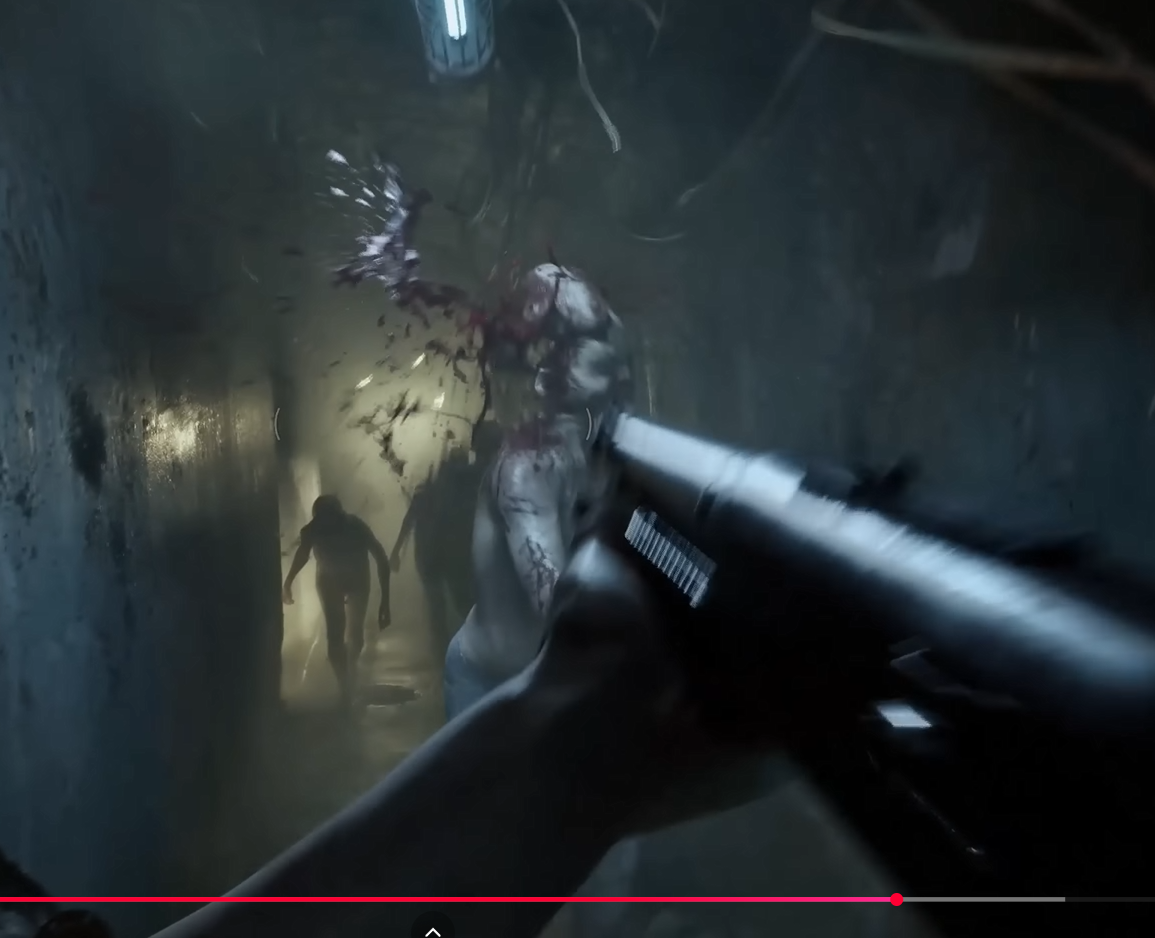
In certain parts of the trailer, especially when characters take hits to the head or arms, the reaction animations and physics are mind-blowingly realistic. I haven't seen this level of gore/dismemberment even in "AAA" titles. Yes, some games feature limb severing—like Left 4 Dead 2, if I remember correctly—but in those cases, it happens instantaneously and breaks off in solid chunks. What’s happening here looks incredibly dynamic.
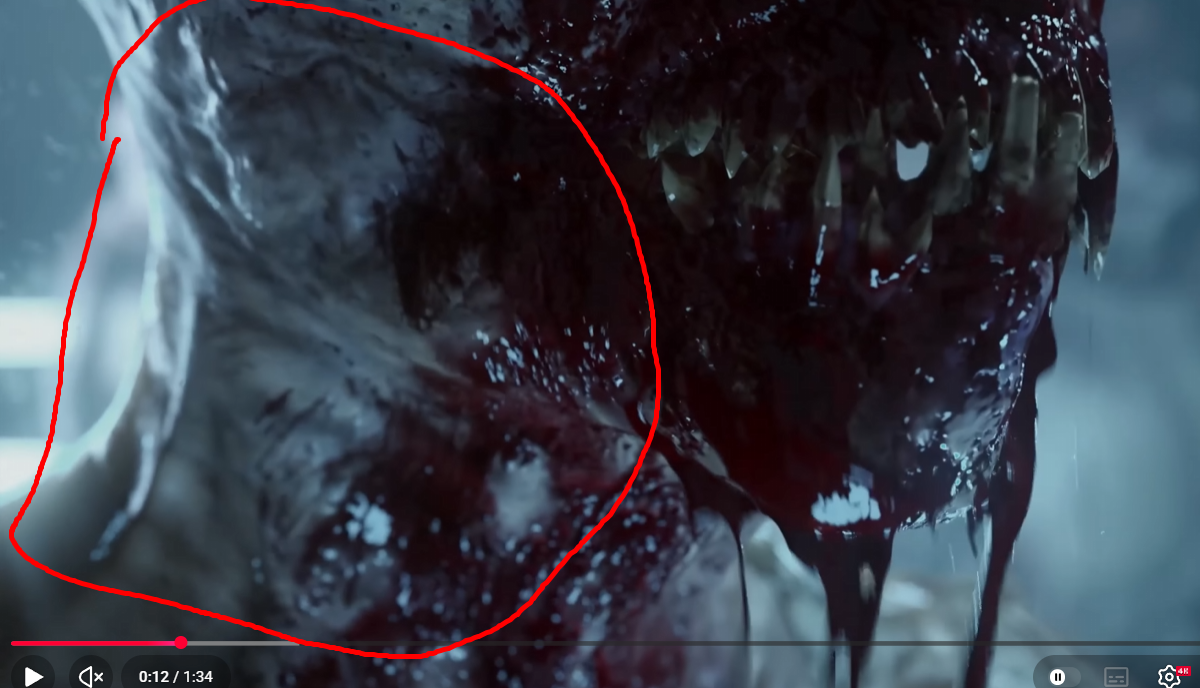
Furthermore, when the characters turn their necks or perform an animation, I can see natural skin folds and bending—especially around the neck, armpits, or anywhere with loose skin on skinnier characters. It almost looks like they are using a real-time cloth simulation for the skin. These kinds of simulations seem like they would be extremely heavy on performance because they look fully dynamic.
Another possibility that comes to mind is the use of Morph Targets (Blendshapes) or dynamic Wrinkle Normal Maps being triggered in real-time. However, the volume and depth I'm seeing looks truly 3D and doesn't just look like a normal map trick.
I’d really love to have a discussion about how these types of muscle/skin systems work, how they are optimized, and what the pipeline for this looks like. I'd love to see other curious people sharing their thoughts in this thread!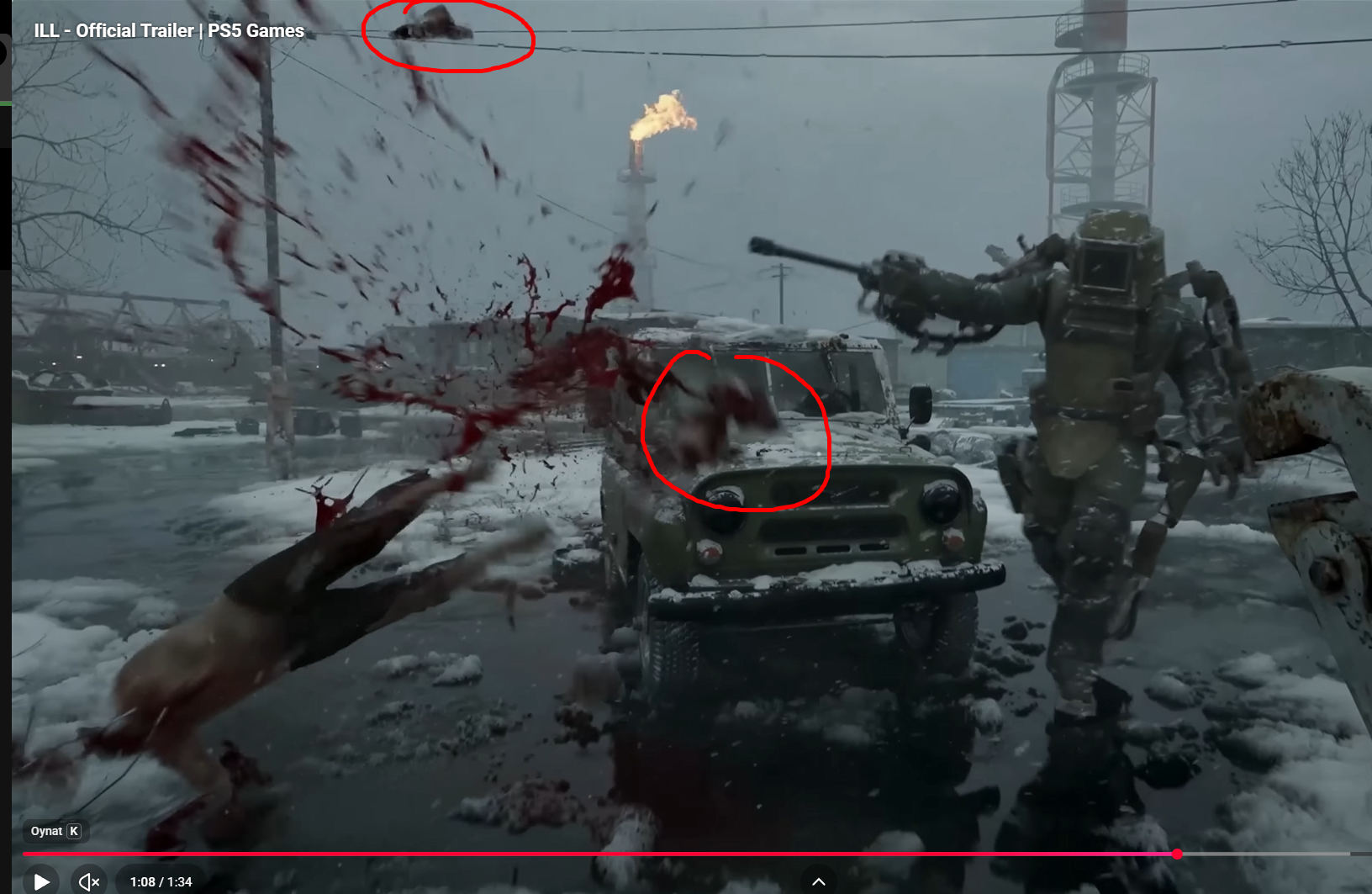
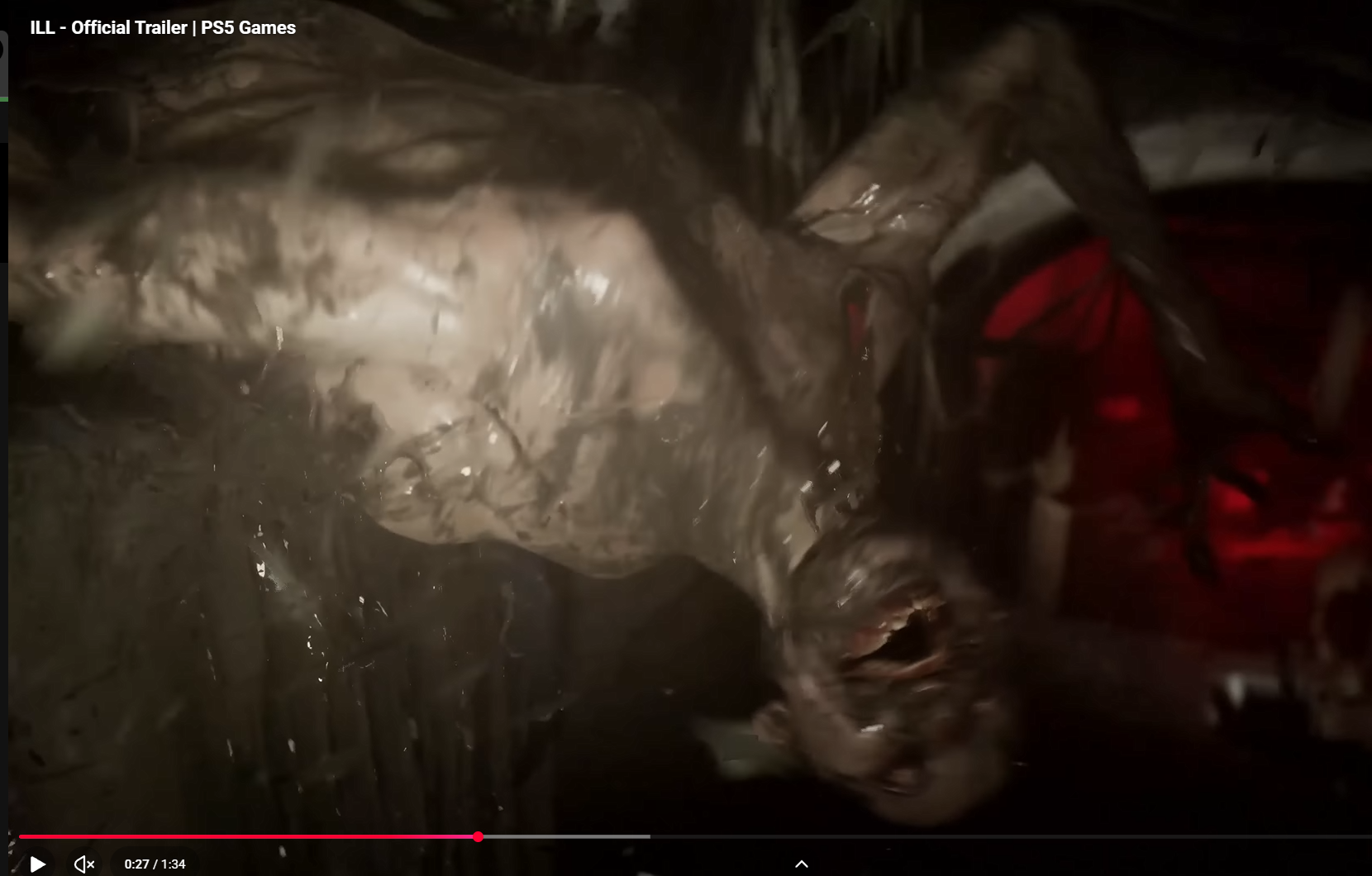 "One specific detail that blew my mind is the headshot physics. When a character is shot in the head, the hit portion doesn’t just fly off or disappear; instead, it stays attached by a shred of skin, dangling with incredible physical accuracy. Achieving this level of fidelity even through an Alembic bake is a feat in itself, but seeing it potentially running real-time in a game is just mind-blowing.
I truly hope these aren't just 'pre-rendered' sequences made specifically for the trailer. If we face a massive downgrade at launch and find out these were just non-real-time, pre-baked animations, it would be a huge disappointment. However, if this is truly real-time, it’s an incredible achievement for a studio working on their first title. It feels like they are pushing the boundaries of what we thought was possible in current-gen horror games."
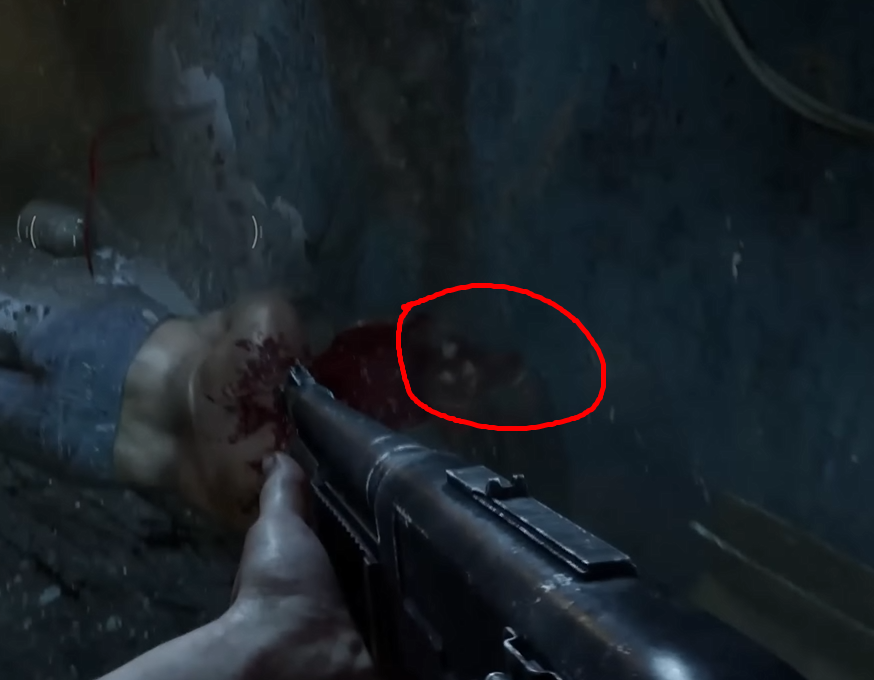
"For example, in one of Chuvabak’s videos titled "Forest God," these skin animations are very prominent. It’s likely a system driven inside 3ds Max, but I’m really not sure how that data is transferred or baked into Unreal Engine 5.
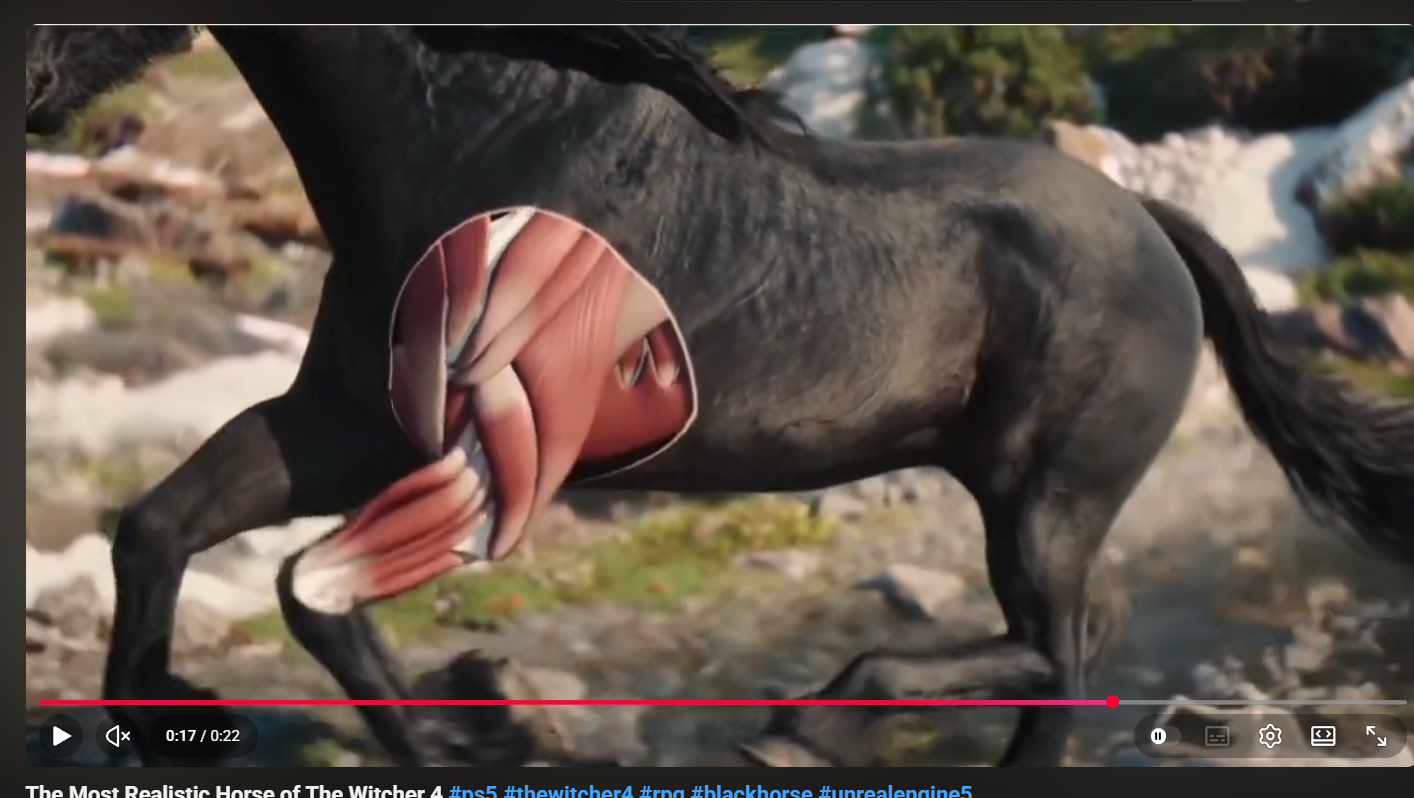
Recently, we also saw some muscle system tech teasers for The Witcher 4. However, that looks like a highly complex, top-tier pipeline, very similar to Ziva VFX. What I’m seeing here with Chuvabak’s work is an approach that prioritizes a fast workflow while still delivering an excellent visual output.
It hits a perfect sweet spot: it’s not as overwhelmingly complex as Ziva, yet it doesn't look fake enough to break immersion or give away the "gamey" nature of the production. And honestly, at the end of the day, as long as the final result looks this good, the specific tool they use doesn't even matter."
Fores God: 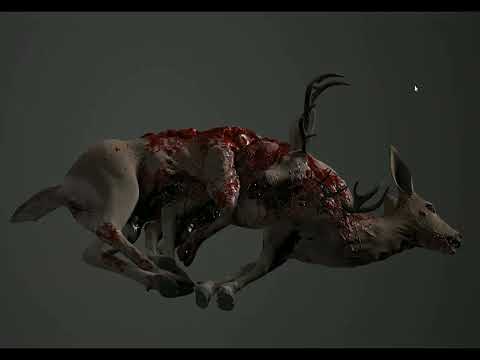 https://www.youtube.com/watch?v=26nGmeohZqI
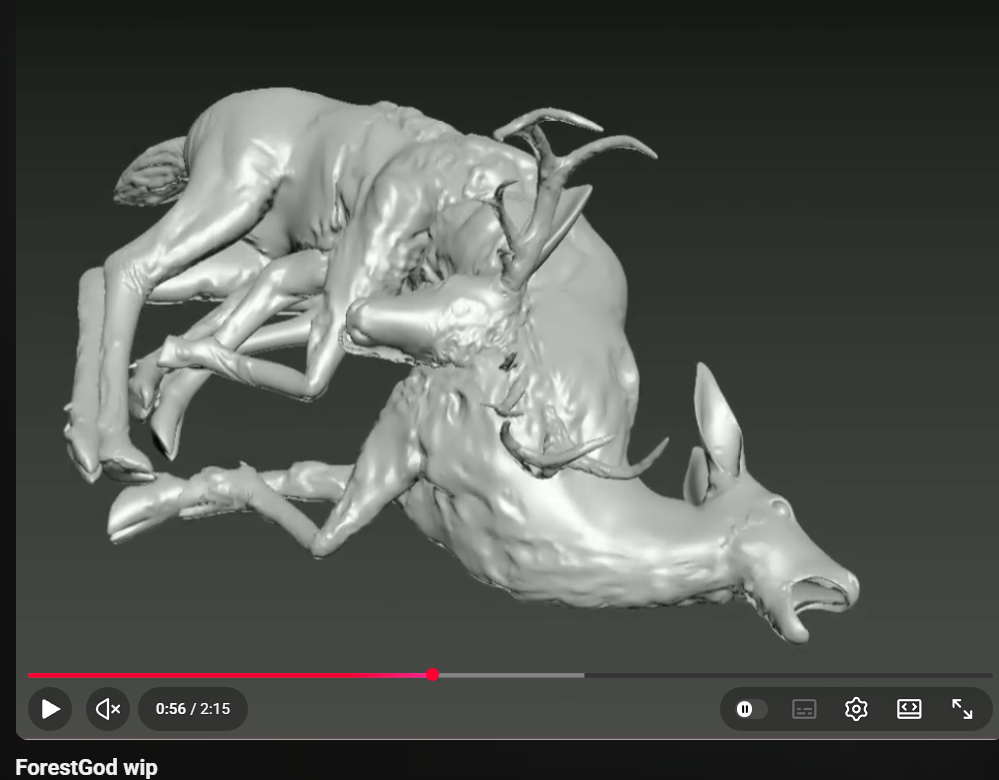

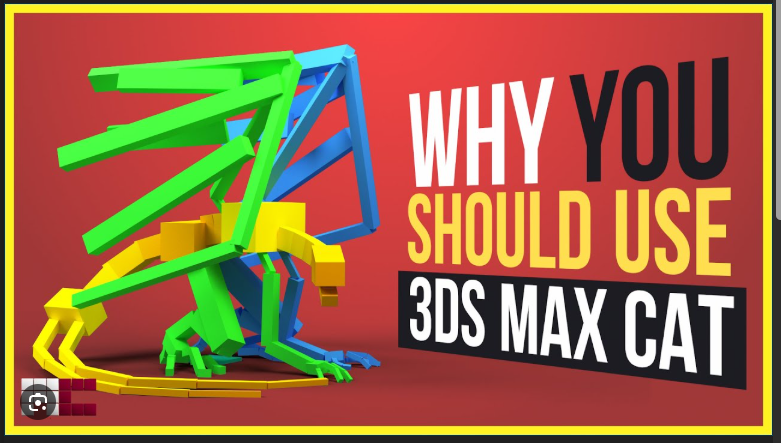
3DSMAX "CAT" Rig System
Replies
You can do quite a lot with mixing skinned rigs with blendshapes.
Also could just be a bit of smoke and mirrors, early trailers are often examples of flashy pre-rendered previz, and not actual real-time gameplay.
It's usually best in my experience to assume the simplest solution was used rather than something super complex. Occam's Razor and all that.
The skin deformation in this video is very distinct, and I’m wondering about the underlying technology. What intrigues me is how it is achieved. Typically, we get these results by layering the skeleton, muscle, and fat, but this seems to be an entirely different approach.
I still think that Chuvabak is making pre-rendered sequences though, not interactive gameplay.
The normal maps are probably sculpted in Zbrush, simple enough process.
Lots of ways to set RDR-type horse muscles in 3ds Max. Depends on your renderer though. I'm very familiar with V-Ray, so I would leverage a VRayBlendMtl with a child VRayMtl per limb. Then use a Wire Controller to drive the blend amount for each limb, based on the angle between two limb bones.
To do it in a real-time game, it would be a combo of rig and shader, written specifically for that engine (Rockstar uses their own custom engine). Can be achievable in Unity, Unreal, Godot too though, if you got the skillz!
Anyhow my best guess is it was never real-time, it was all pre-rendered in Max, just like all his other videos. Much much easier than making it all work in an actual interactive renderer, since in a game on top of the visuals you also have to juggle all the memory and performance constraints.