Customized UE5 Showcase

polycounter lvl 9
After a long time, I'm finally back  ,
,
-First of all, very happy that I combined it with my mentorship, and to show off what my kids (that's how I call them) are capable of doing. So shoutout to Bakir Bijelonja, Tarik Đapo, and Petko A. for killer prop work, definitely check it out on artstation.
-Basically, I finally got some features compiling in my customized Unreal Engine 5; there is no Lumen, Nanite, or baked lights. Everything here is fully real-time using Distance fields and some work inside Post Process shaders to get a GI look. Indirect lighting and light bleed were our biggest aims, and I think it's doing a really good job.
- Implementation of a Custom Tonemapper inside the engine. I started with AGX, but did not like it too much, so we took the original one and slightly adjusted some values until we liked it.
-I decided to move away from TAA and TSR, we still keep it as an option, but also wanted to see how much we can squeeze out with different AA methods, particularly, we implemented CMAA2 and SMAA
-While CMAA2 we implemented through a marketplace Plugin, SMAA, on the other hand, was based on the work and implementation of Jimenez et al., and is enabled through post-processing material (it is 1x, so it makes sense )
-Last minute, we added VBAO and combined it with DFAO for a real-time AO solution. Distance Fields in general were a massive task, especially because of the removal of TAA. There had been a lot of adjustments to it to avoid Ghosting and flickering. Normal maps and, in general, super-thin detail would also produce some like firefly noise when moving, hence we needed to reroute our normal map to avoid DFAO contribution
-VBAO, we slightly adjusted even if it was from the marketplace, to get a specific pattern of AO, only because of artistic Reasons
Everything is also pretty procedural; the whole level, except the unique meshes, was made with Tilable materials and 1 trim sheet. I used pretty much every method I know to get the best possible performance as possible
-That is another reason why I did it, Unreal Engine is a great engine, and can be really optimized, if you set it up for your own specific project first. That is what a lot of people mess up, and it gets a bad name. Everything done above was for a specific project and type of game. This level is running 4k Native, on Cinematic preset at 50+ fps in the editor, on an old RTX 2080 card (Meaning even better on Build), this is impressive because the default Lumen way brings me into 70 by default 70% screen on full hd and Epic preset.
-This is something I have been working on and off for a very long time, and I am so happy with the result and the knowledge I gained from digging into the G buffer to the core of how game engines work.
-Does this system have flaws? Yeah, but it gives me my performance and visuals, so I love it. More at: https://lnkd.in/eCYtVD9g
-All materials, textures, decals, trims, and models are hand-made. Any questions, I'm glad to answer, and if there comes a request for a whole tech breakdown, I can do it.
Reference for this Scene
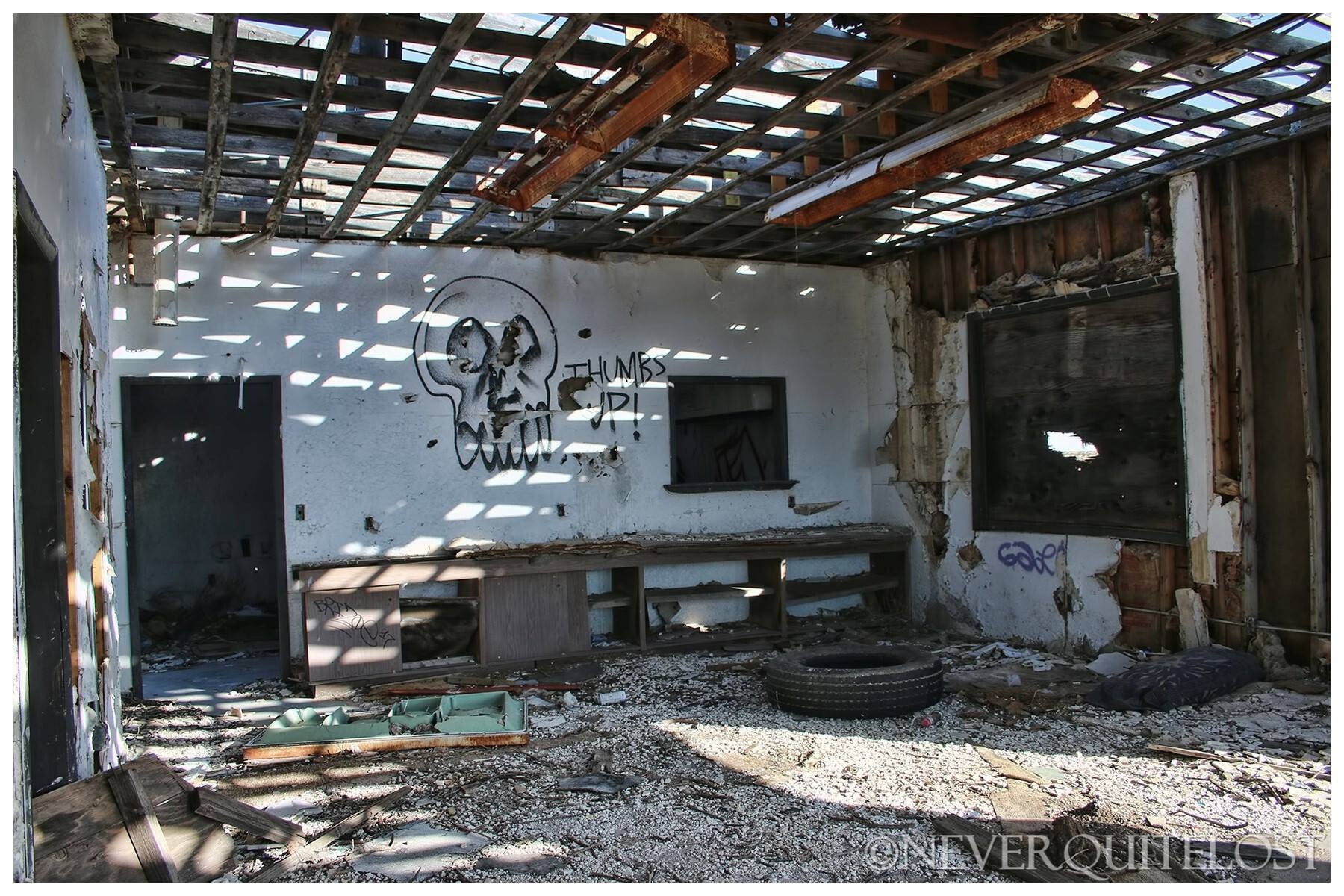 UE5
UE5 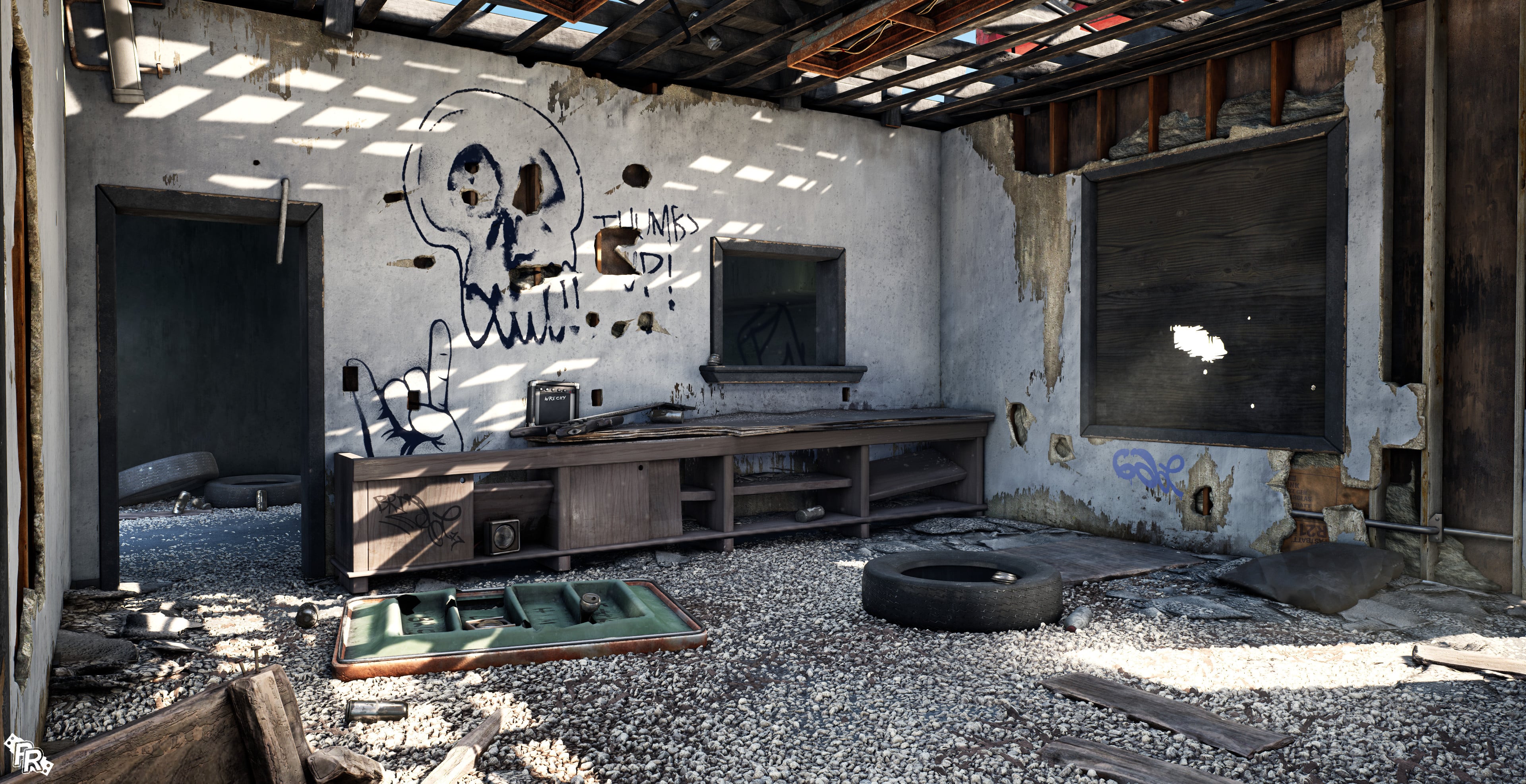
For more at :
https://www.artstation.com/artwork/mAaGB9
, -First of all, very happy that I combined it with my mentorship, and to show off what my kids (that's how I call them) are capable of doing. So shoutout to Bakir Bijelonja, Tarik Đapo, and Petko A. for killer prop work, definitely check it out on artstation.
-Basically, I finally got some features compiling in my customized Unreal Engine 5; there is no Lumen, Nanite, or baked lights. Everything here is fully real-time using Distance fields and some work inside Post Process shaders to get a GI look. Indirect lighting and light bleed were our biggest aims, and I think it's doing a really good job.
- Implementation of a Custom Tonemapper inside the engine. I started with AGX, but did not like it too much, so we took the original one and slightly adjusted some values until we liked it.
-I decided to move away from TAA and TSR, we still keep it as an option, but also wanted to see how much we can squeeze out with different AA methods, particularly, we implemented CMAA2 and SMAA
-While CMAA2 we implemented through a marketplace Plugin, SMAA, on the other hand, was based on the work and implementation of Jimenez et al., and is enabled through post-processing material (it is 1x, so it makes sense )
-Last minute, we added VBAO and combined it with DFAO for a real-time AO solution. Distance Fields in general were a massive task, especially because of the removal of TAA. There had been a lot of adjustments to it to avoid Ghosting and flickering. Normal maps and, in general, super-thin detail would also produce some like firefly noise when moving, hence we needed to reroute our normal map to avoid DFAO contribution
-VBAO, we slightly adjusted even if it was from the marketplace, to get a specific pattern of AO, only because of artistic Reasons
Everything is also pretty procedural; the whole level, except the unique meshes, was made with Tilable materials and 1 trim sheet. I used pretty much every method I know to get the best possible performance as possible
-That is another reason why I did it, Unreal Engine is a great engine, and can be really optimized, if you set it up for your own specific project first. That is what a lot of people mess up, and it gets a bad name. Everything done above was for a specific project and type of game. This level is running 4k Native, on Cinematic preset at 50+ fps in the editor, on an old RTX 2080 card (Meaning even better on Build), this is impressive because the default Lumen way brings me into 70 by default 70% screen on full hd and Epic preset.
-This is something I have been working on and off for a very long time, and I am so happy with the result and the knowledge I gained from digging into the G buffer to the core of how game engines work.
-Does this system have flaws? Yeah, but it gives me my performance and visuals, so I love it. More at: https://lnkd.in/eCYtVD9g
-All materials, textures, decals, trims, and models are hand-made. Any questions, I'm glad to answer, and if there comes a request for a whole tech breakdown, I can do it.
Reference for this Scene
UE5 For more at :
https://www.artstation.com/artwork/mAaGB9