Biplane CR.42 Falco for Games – Hard Surface WIP / Looking for workflow advice

Hi everyone,
I wanted to introduce myself and also share a project I’m currently working on.
I’m Dan , a self-taught hard surface 3D artist, and over time I’ve mainly focused on modeling props for games. Most of my experience comes from the more traditional low poly / high poly / bake workflow, especially for smaller assets.
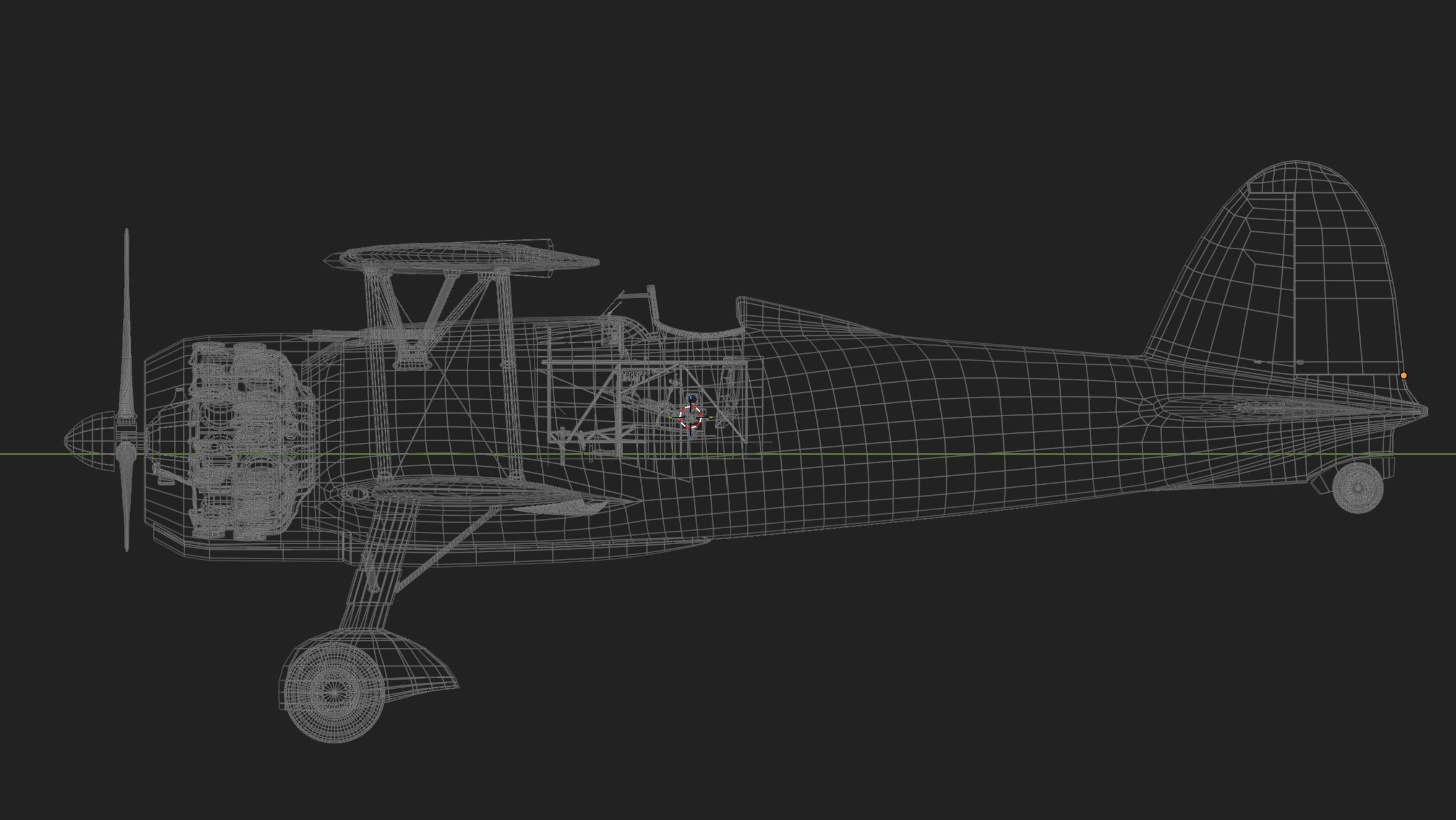
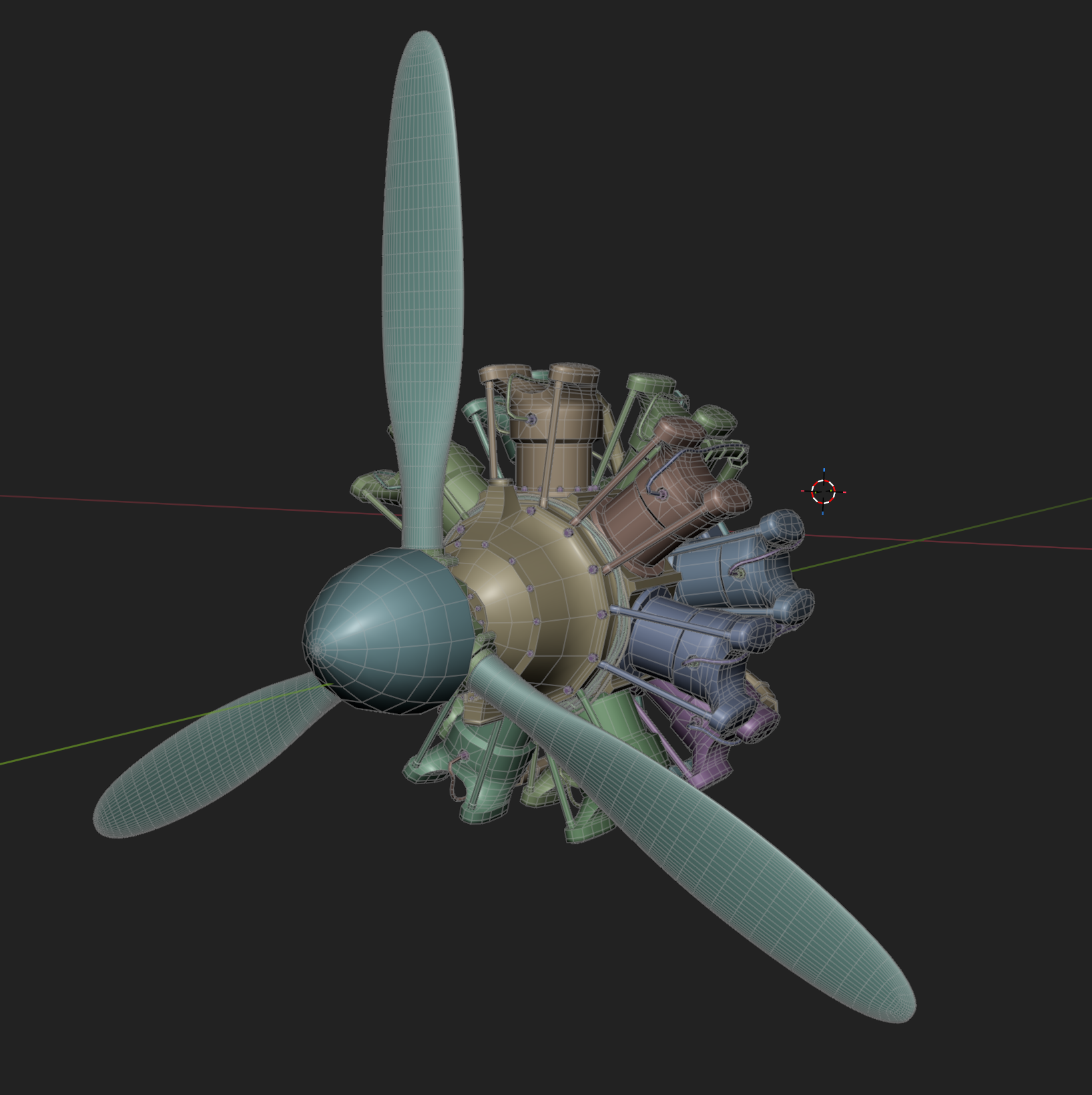
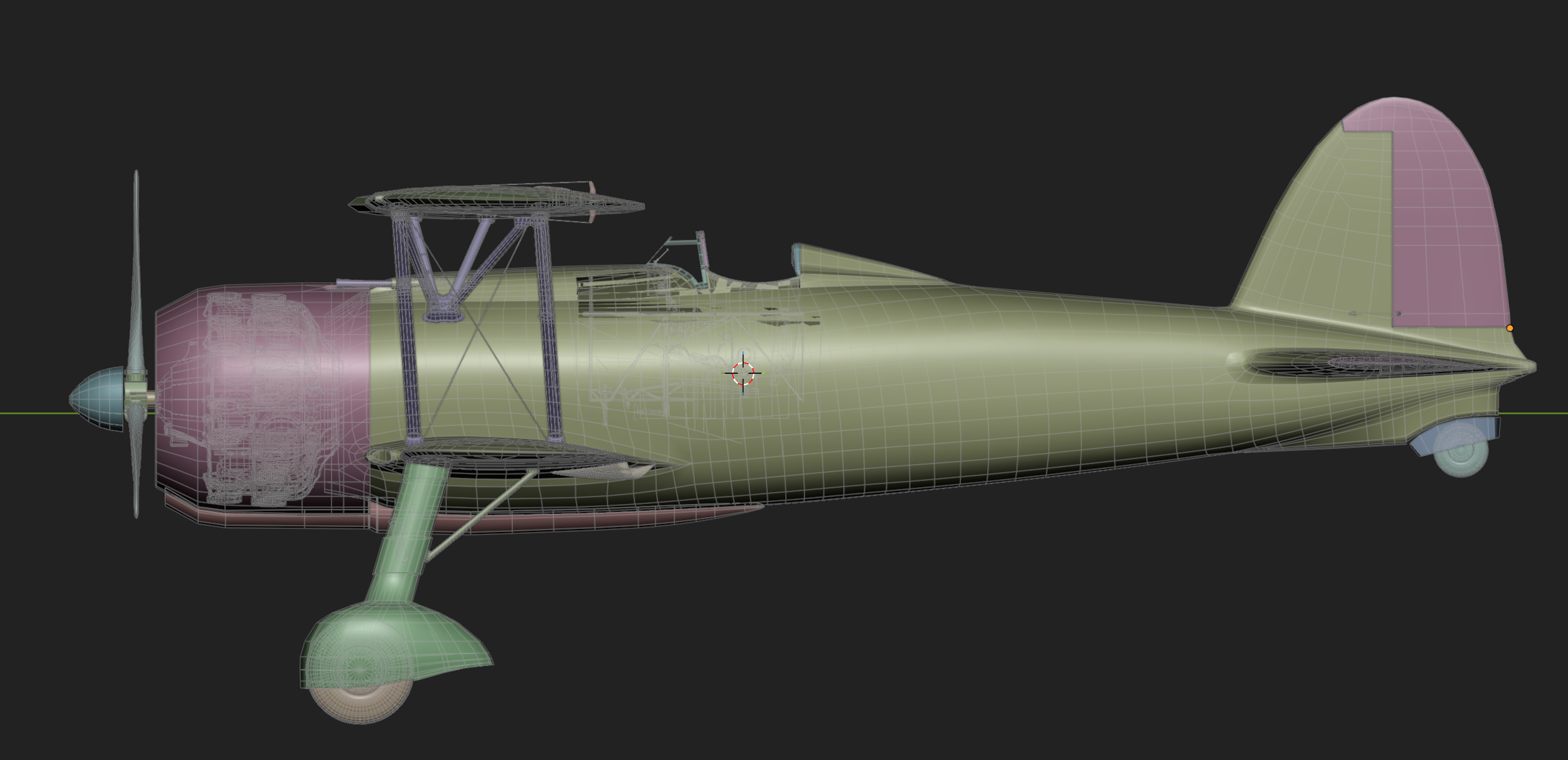
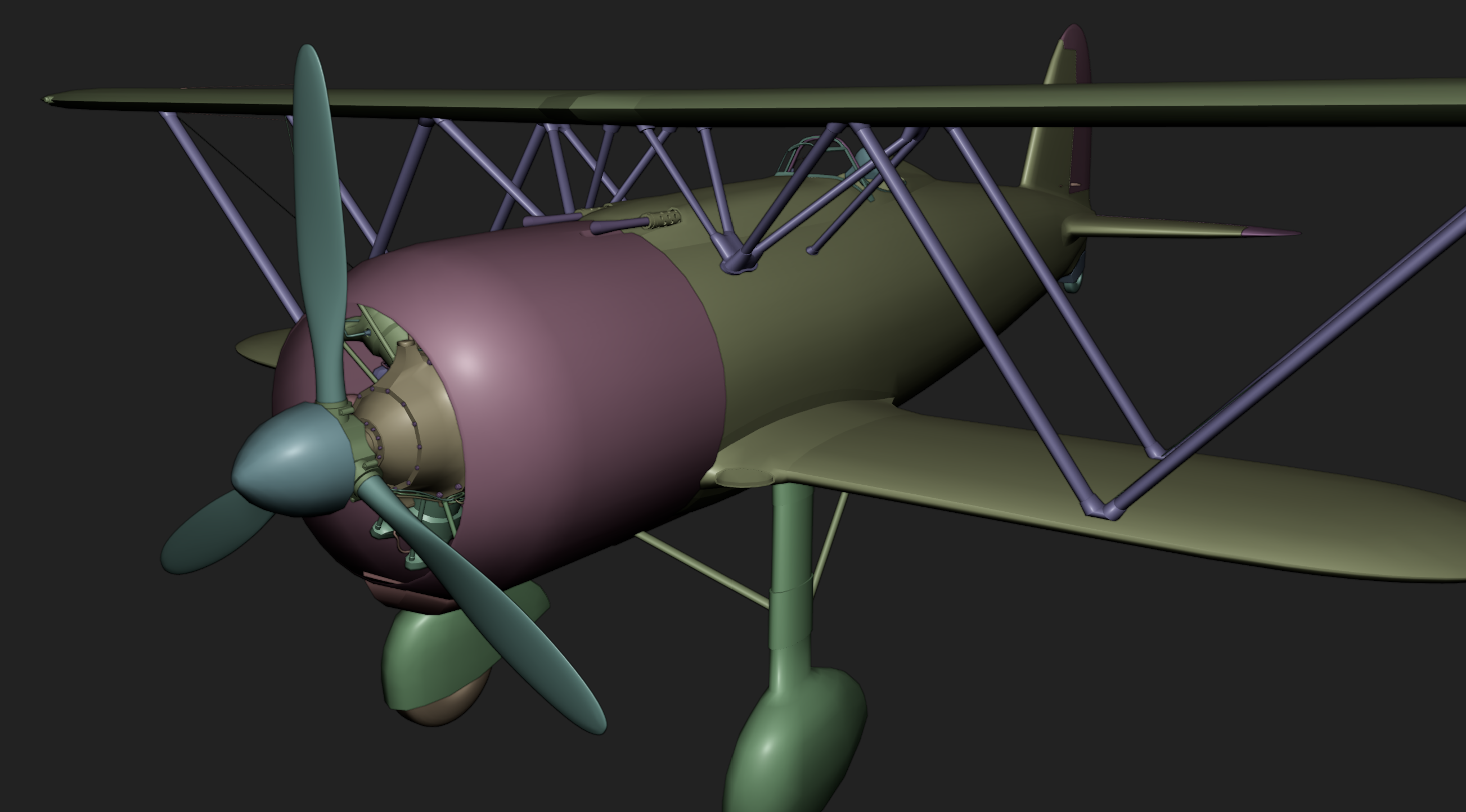
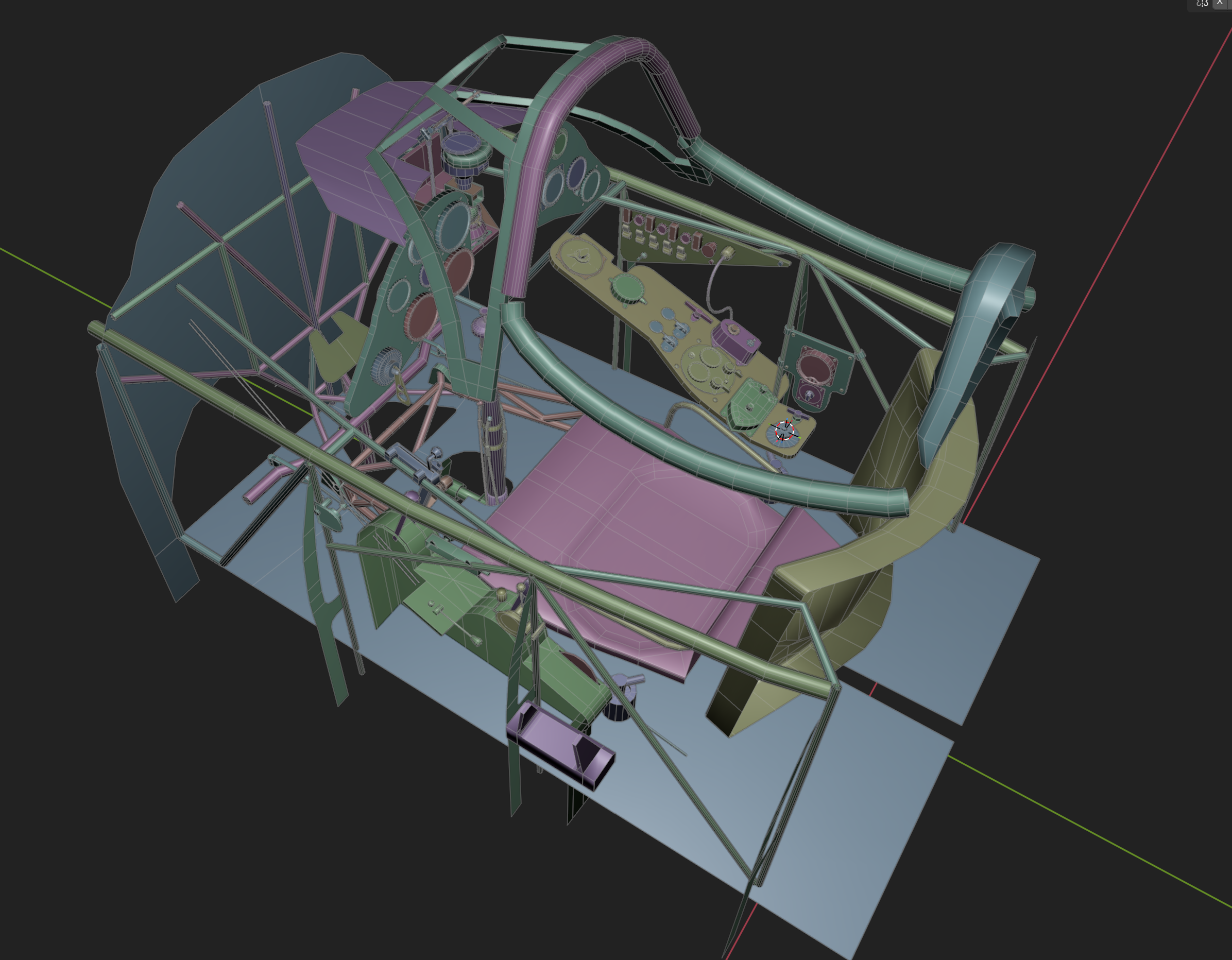
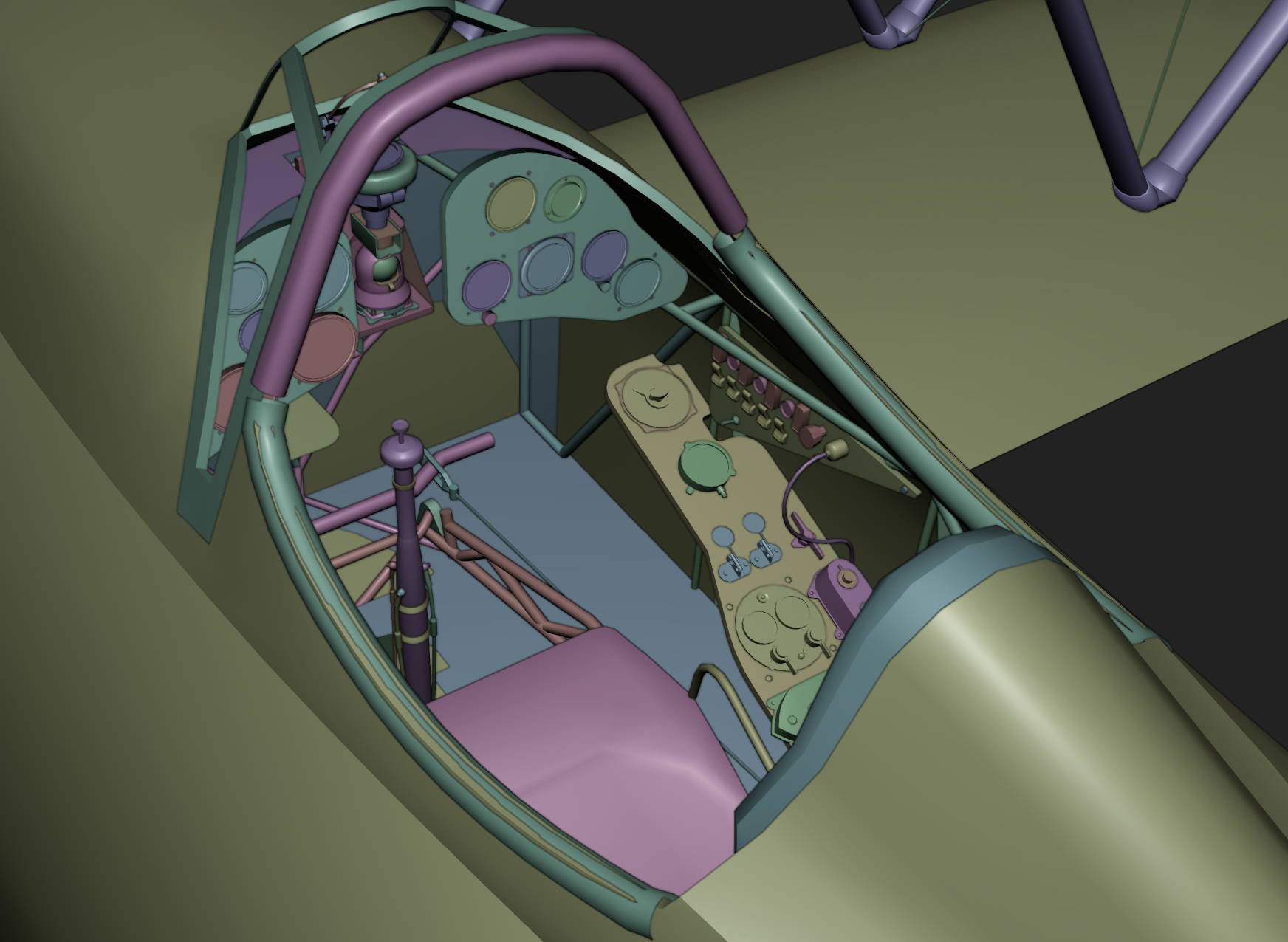
Right now, though, I’m working on something much bigger and more complex: a Fiat CR.42 Falco made for videogame presentation / portfolio purposes.
At the moment I’ve finished the blockout, and the project already includes a lot of work on both the engine and the cockpit, which I’m trying to model as faithfully and thoroughly as possible, with a strong focus on mechanical and structural detail.
What I’d like to ask the community is mainly some advice about the best workflow to move forward from this stage, especially regarding:
- UV workflow
- possible baking strategy
- texturing approach
- and more generally, what would be the smartest way to treat an aircraft like this if the goal is a strong portfolio-quality result
The reason I’m a bit uncertain is that, unlike the props I usually make, this is an aircraft, so it’s a very different kind of asset. Some parts may be seen from relatively far away, while others — especially the cockpit and certain mechanical sections — can hold up to much closer shots.
Because of that, I’m not sure what the best balance is between efficiency and fidelity.
My current idea would be something like this:
- For the fuselage and main external body, I’m thinking of using strategic bevels directly on the geometry, aiming for a sort of mid-poly approach, possibly without baking
- For more detail-heavy areas like the cockpit, I’m considering a more traditional high poly to low poly bake workflow, in order to preserve all the smaller forms and surface information
So in short, I’m wondering if a hybrid workflow like this makes sense for an asset of this kind, especially for portfolio rendering and presentation.
I would also really appreciate advice on material and texture setup.
If I want this to feel like a proper hero asset in 4K, how would you approach the material split?
For example, how many material IDs / texture sets would you consider reasonable before it becomes excessive?
I’m currently trying to find the right balance between:
- strong close-up detail
- clean and manageable texture organization
- and keeping the asset believable as a game-oriented piece rather than only a cinematic model
Any feedback, suggestions, or examples of workflows used on similar vehicle / aircraft assets would be greatly appreciated.
I’ll share some WIP shots below. Thanks in advance.
Replies
Hey, thanks a lot for taking the time to reply, I really appreciate it.
Getting feedback like this actually means a lot to me, especially because I’m working on this project in the evenings after long workdays (I run my own business), so staying motivated can be tough sometimes. Even just one solid reply like yours really helps keep things going.
Also, the links you shared are honestly gold. I hadn’t really explored a mid-poly baking workflow before, and that 80 Level article you pointed me to is going to be super helpful, both technically and as motivation.
Really appreciate you taking the time to break things down and share your perspective.
Thanks again! I'll post some updates soon.