Gothic 2 monastery remake

Hello,
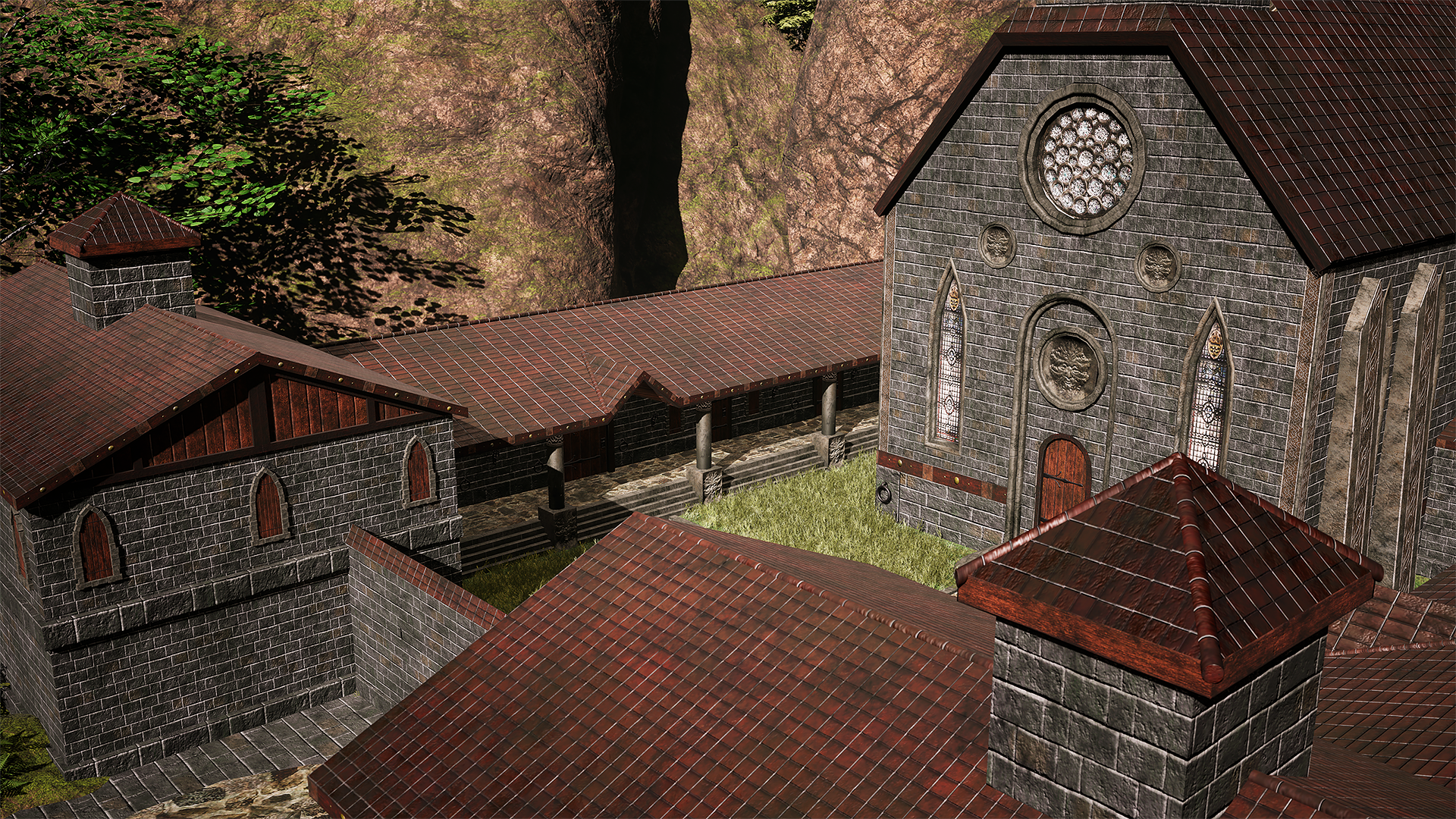
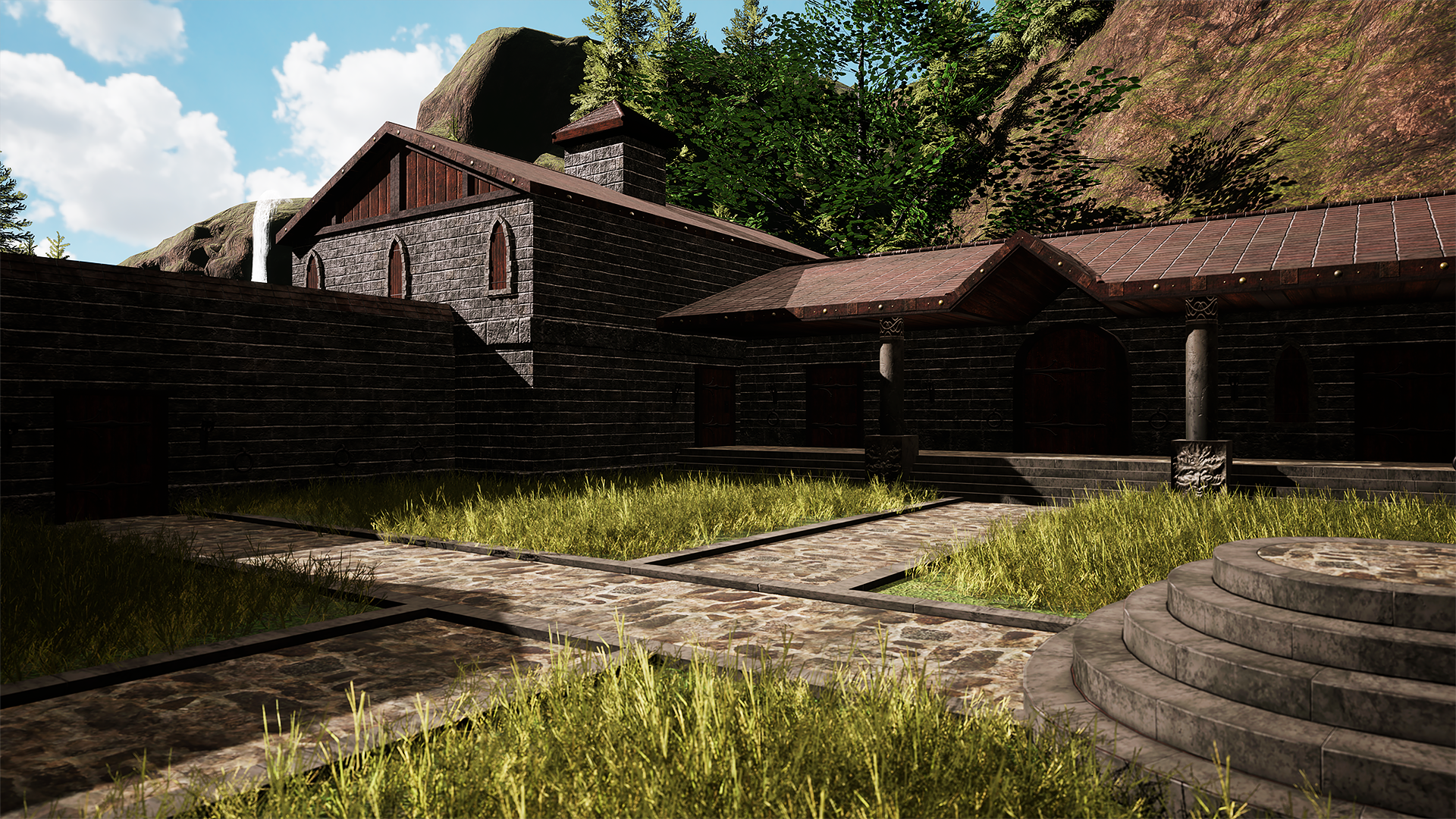
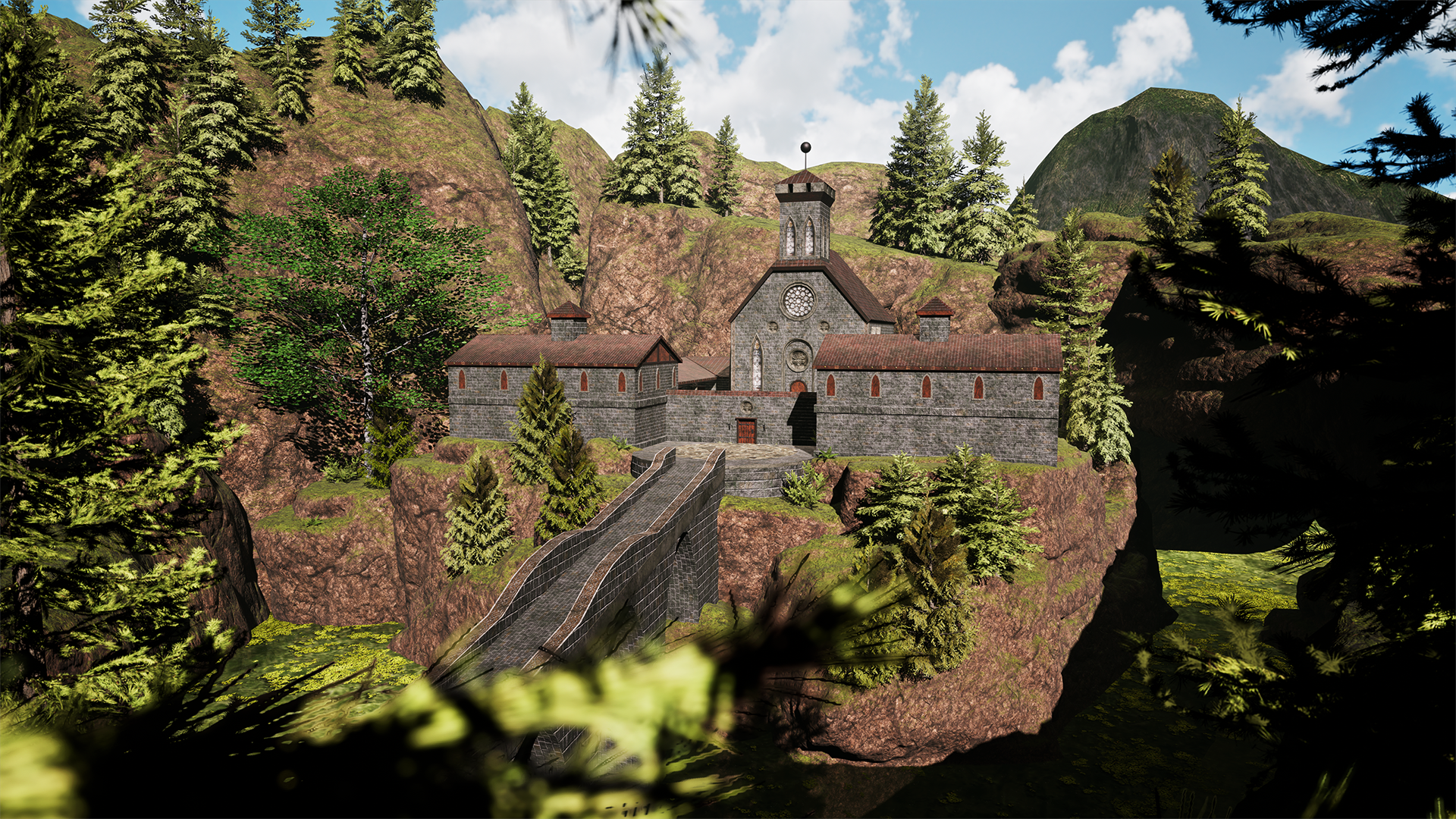
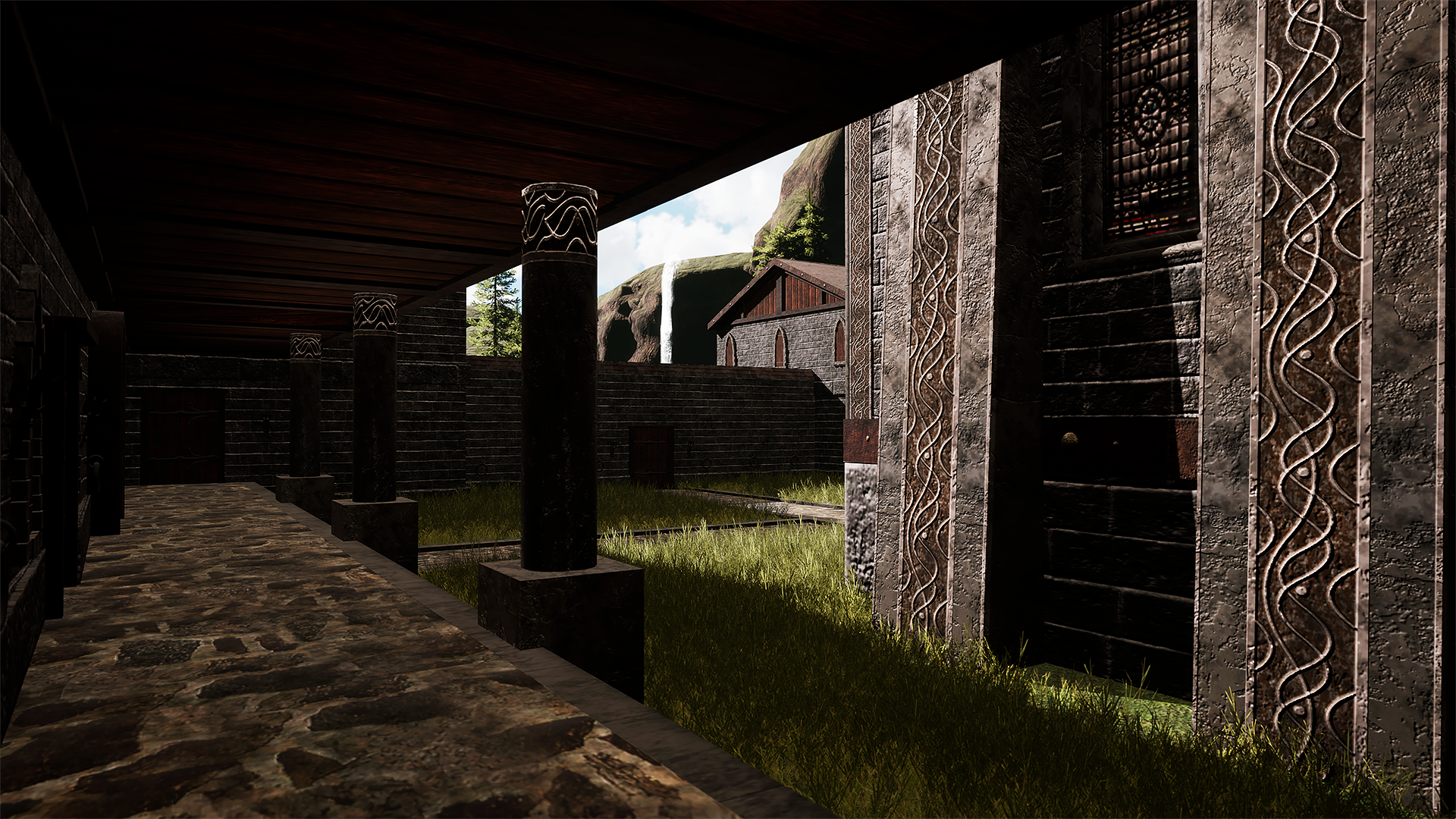
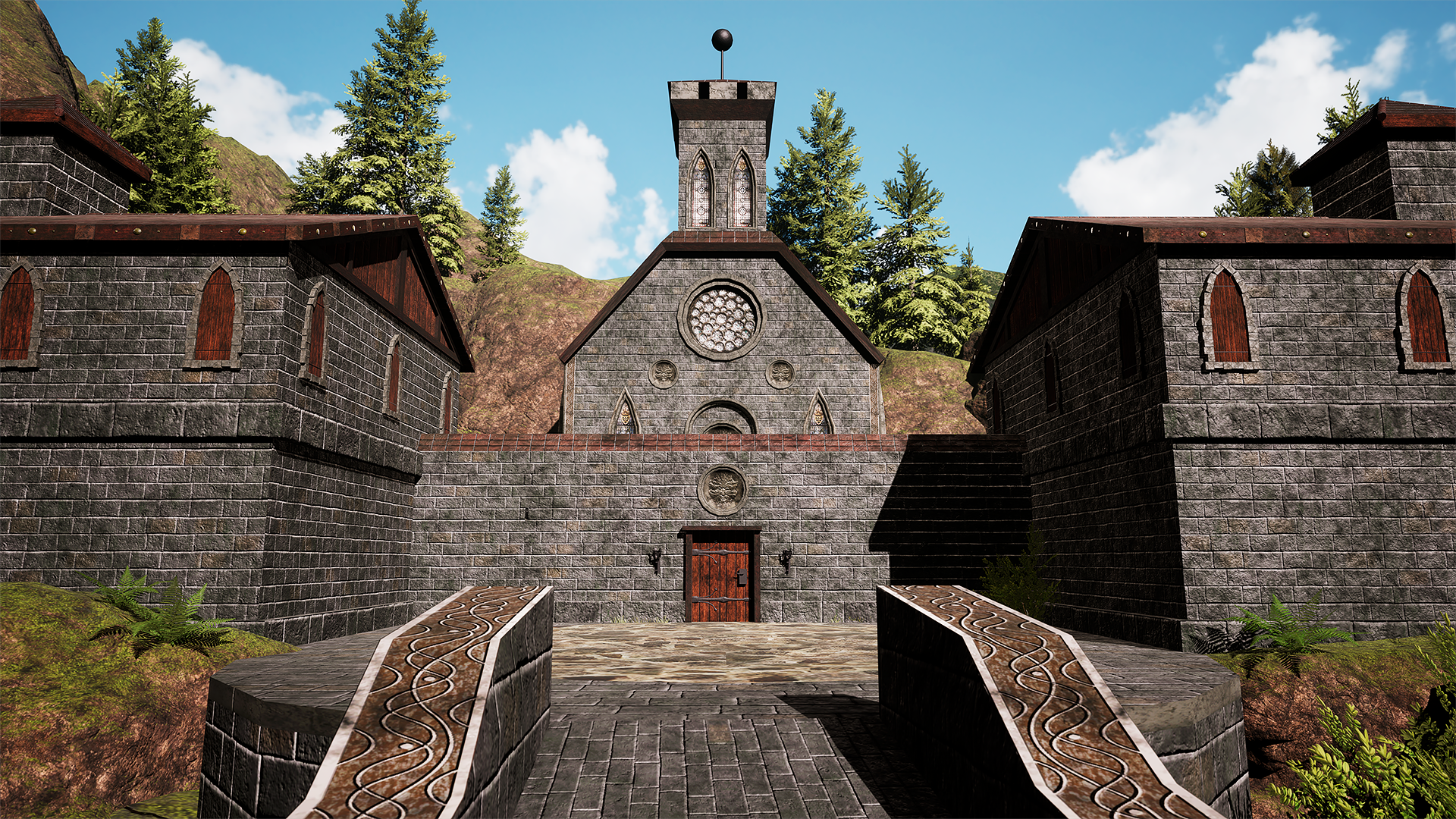
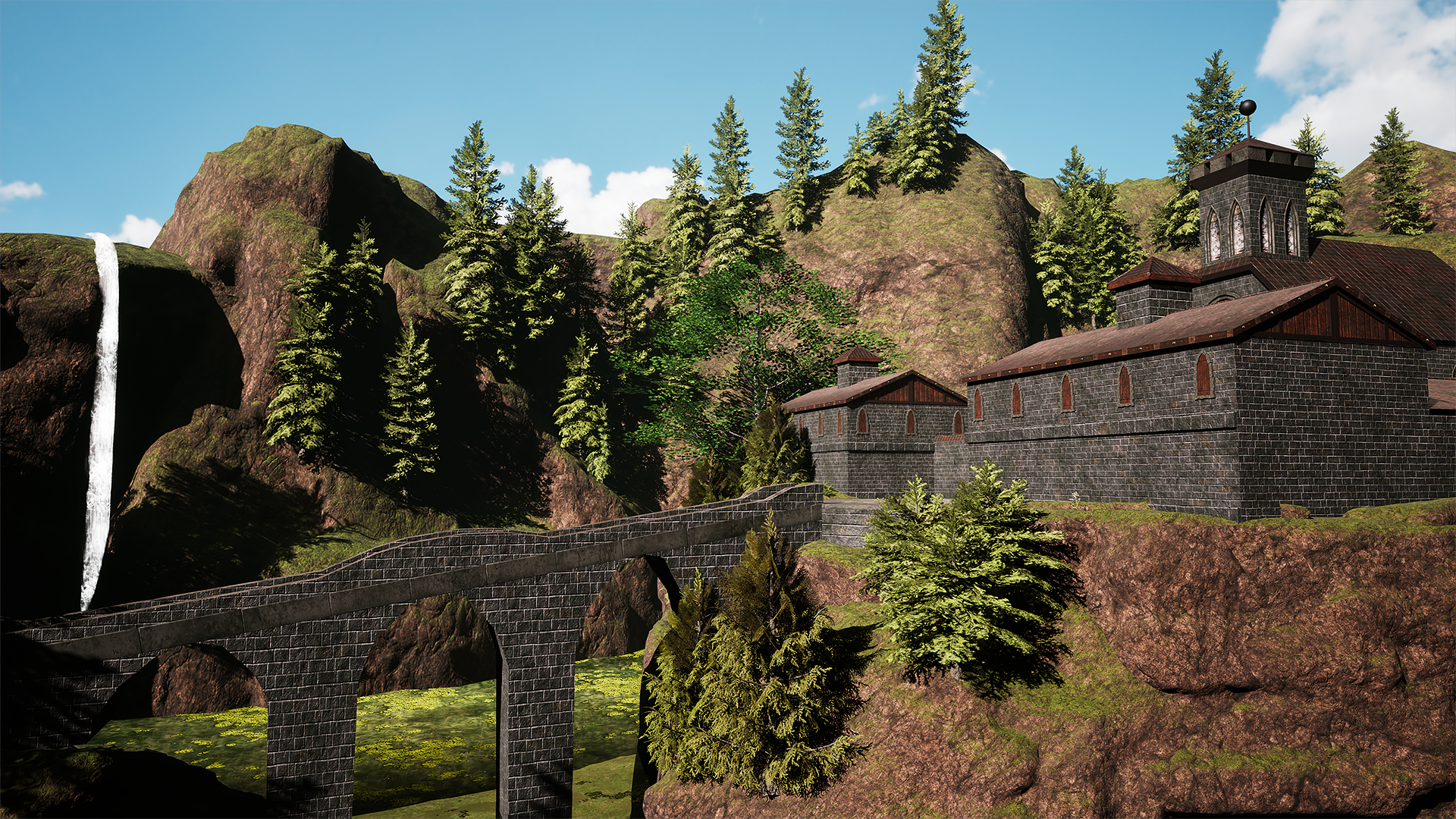
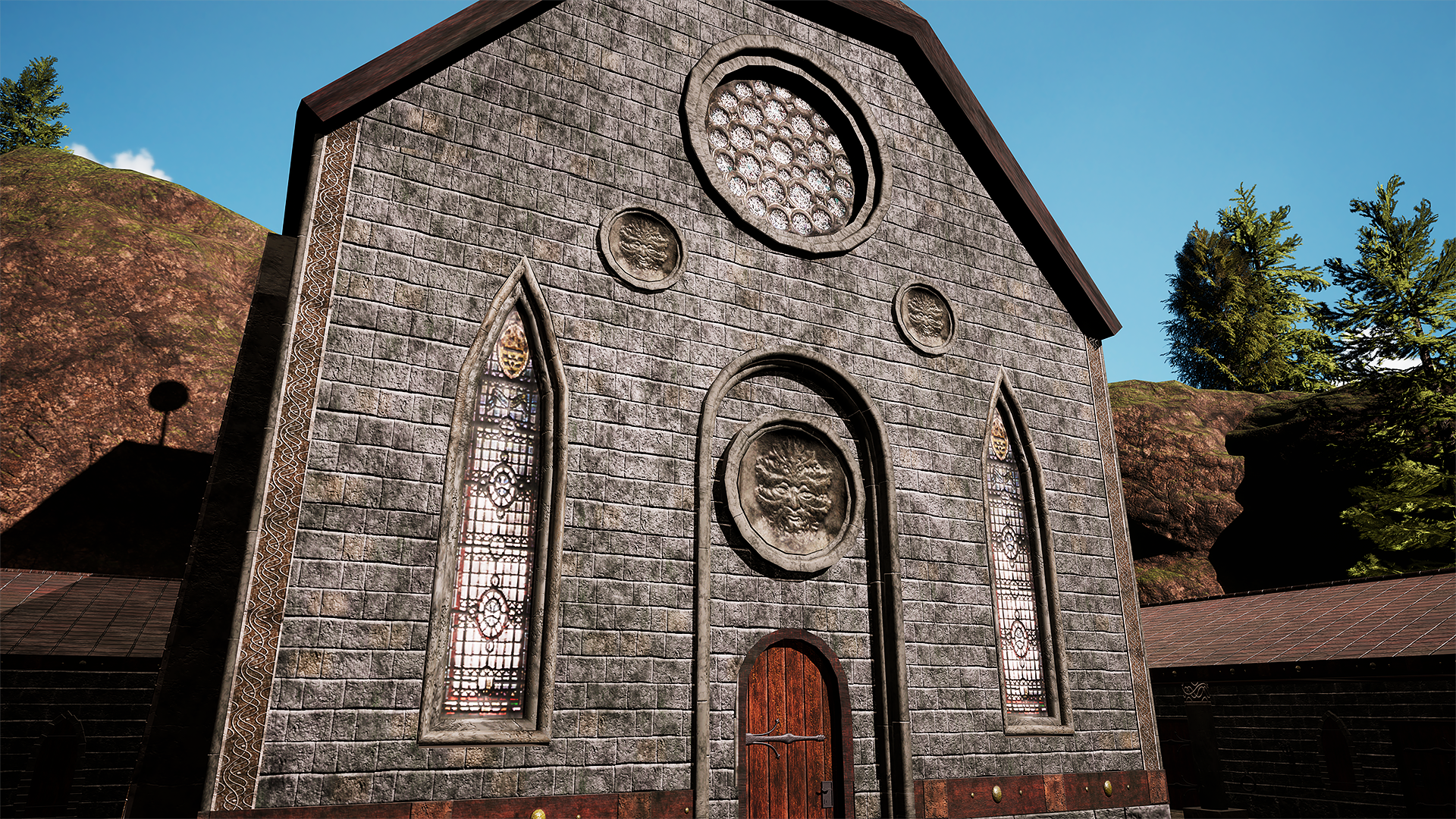
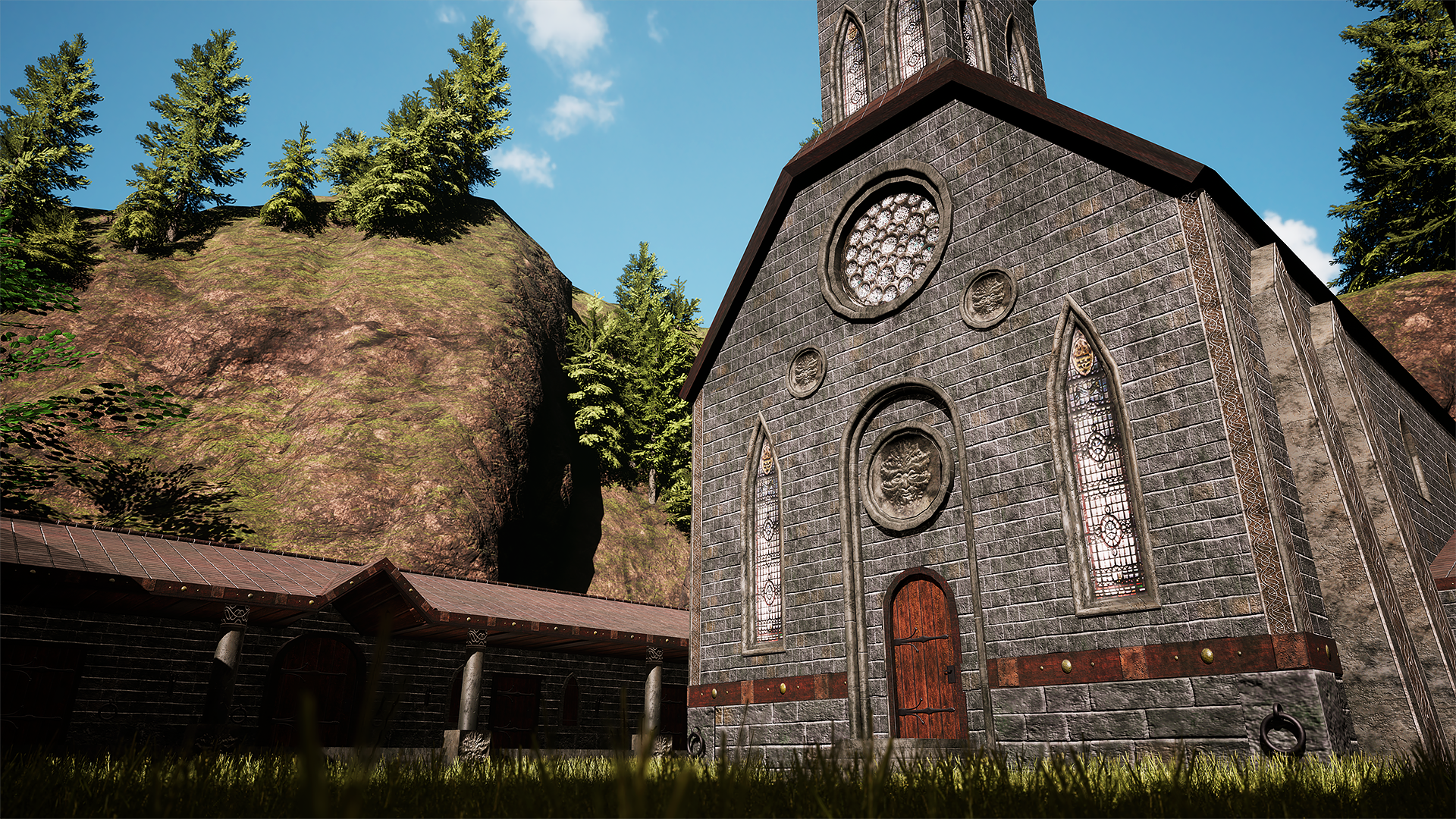
I would like to share with you my latest project. I recreated the monastery from one of my all-time favorite games, Gothic 2, as a personal project focused on improving my trim sheet workflow.
For this scene, I set myself the challenge of using a single 4K trim sheet for all major meshes — including the buildings, ground, church, doors, roofs, bridge, and more. The trim sheet was modeled in 3ds Max, with high-poly details baked down to low-poly in Substance Painter. I finalized the trim and textures in Painter and then rebuilt the entire scene in UE5. For the foliage, mountains, and water, I used selected Marketplace assets to complement the environment.
I would truly appreciate honest opinions, feedback, and critique. I love creating atmospheric environments, and my main goal is to keep improving. Please let me know how I could make this piece stronger visually. Which areas of environment design do you think I should focus on the most? And where do you feel my weakest points are?
Thank you very much for any response — it would really help me understand what direction I should take to improve. If you’d like to see more of my work to get a better overview of my current skill level, you can check out my ArtStation page https://www.artstation.com/jozefjajcay4.
I genuinely appreciate any feedback.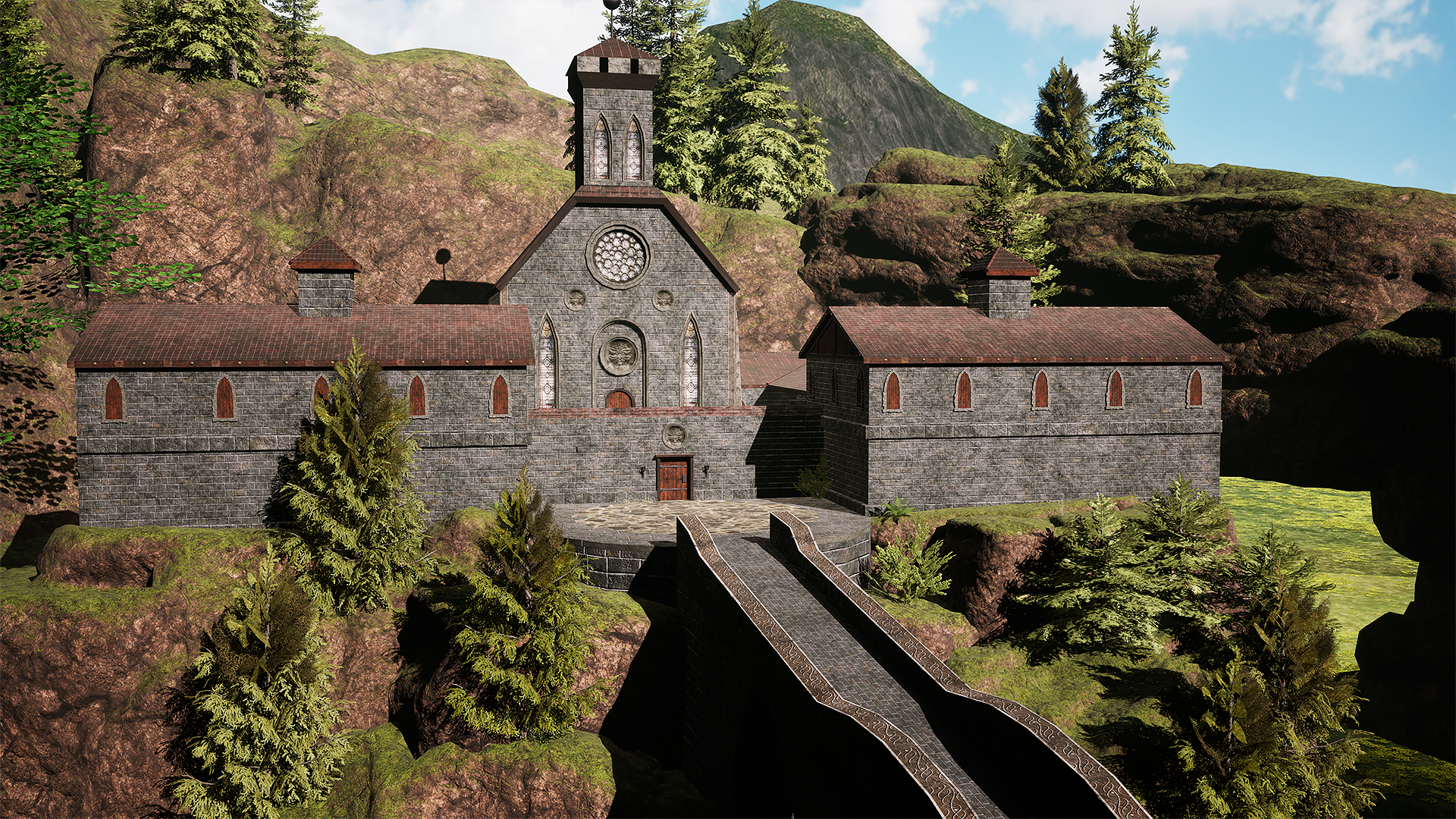
Replies
Other than that I would look at the original environment and take some notes, looking for real world references wouldn't hurt either. While the original has low res textures, the environment has variance and organic feel. Looks like different type of building materials are being used and they have some gradients (due to construction, weathering, overgrowth).
Perhaps you can get closer to this by A - introducing more materials and B - blending/ modulating textures using masks (vertex color commonly). While I think it's good you thought about optimizations, I would prioritize hitting the visual target. Could also check out some sample projects, how they're doing things. Perhaps some resources you can reuse (shaders, tools, lighting setup).
A big part of the end result is obviously lighting. I think currently the shadows are quite dark as if there is little to no indirect lighting. In the screenshot I found there seems to be some fog, which allows for some further separation of subject and background. A way to fake this would be fog cards. Something that puzzles me in the renders, is how those highlights on the stone edges even in shadows. Wonder if it's due to light setup or something with the shader.
I think you created a solid base to iterate on, it's quite a few subjects you're taking on at once. If you feel like it's too much, you could pick one part of the environment and refine it (entrance area, court area, bridge). Then apply all those learnings and assets to the rest.
Keep it up
https://www.fab.com/category/tutorials-examples/tools--unreal-engine
https://www.fab.com/category/3d-model/buildings-architecture?is_free=1&technical_features=modular
Fog cards
I find they can help to elevate vistas, but to my knowledge shouldn't be layered too much due to the increased cost of the pixel on screen (Overdraw).
Sample Projects
I would follow the path Eric suggested. I haven't tried this one, but going by its description it could be interesting: https://www.fab.com/listings/814a6736-866c-4d6a-a619-a9397f379d2b
On Polyhaven they have this smugglers cove collection, featuring a modular fortress, as well as an Unreal scene:
https://polyhaven.com/collections/smugglers_cove
Lighting
Unfortunately it's difficult to give any specific pointers on lighting setup without looking at the project. If you're able to share it, I can offer have a look sometime this week and, to the best of my abilities, document some suggestions for you.
Also don't forget to check the polycount wiki for links of articles that are related to environment art. While they might be old, many things still apply.
Edit: There's probably quite a few projects documented on Polycount you can dig up through the search function using keywords like 'Environment' and 'Finished'.
I am very sorry for late reply, but i get really busy last days and this topic project and topic get litlle bit out of my head.
I just wanted to say that i really appreciate your advices, time and effort to give me a relevant tips.
I will definitely look into this when i will have more time! Thank you.