Haunted House for my horror card game Desecrated Deck

Hey folks 👋
I wanted to share a new project I’m working on: a creepy old house environment for my indie horror card game Desecrated Deck (Steam link below if you’re curious 👀).
I’ve been doing hard-surface modeling for many years (props, hardsurface, clean shapes — that kinda stuff).
BUT… I’ve actually never fully finished a complete environment before. So this is me stepping outside my comfort zone and trying to level up 🧠✨
Right now I’m still in the blockout phase — figuring out shapes, composition, silhouette and overall mood. The plan is to give it a gritty, slightly Biohazard-Louisiana-style vibe: swampy, moldy, unsettling… but still grounded in reality.
Here is the reference image: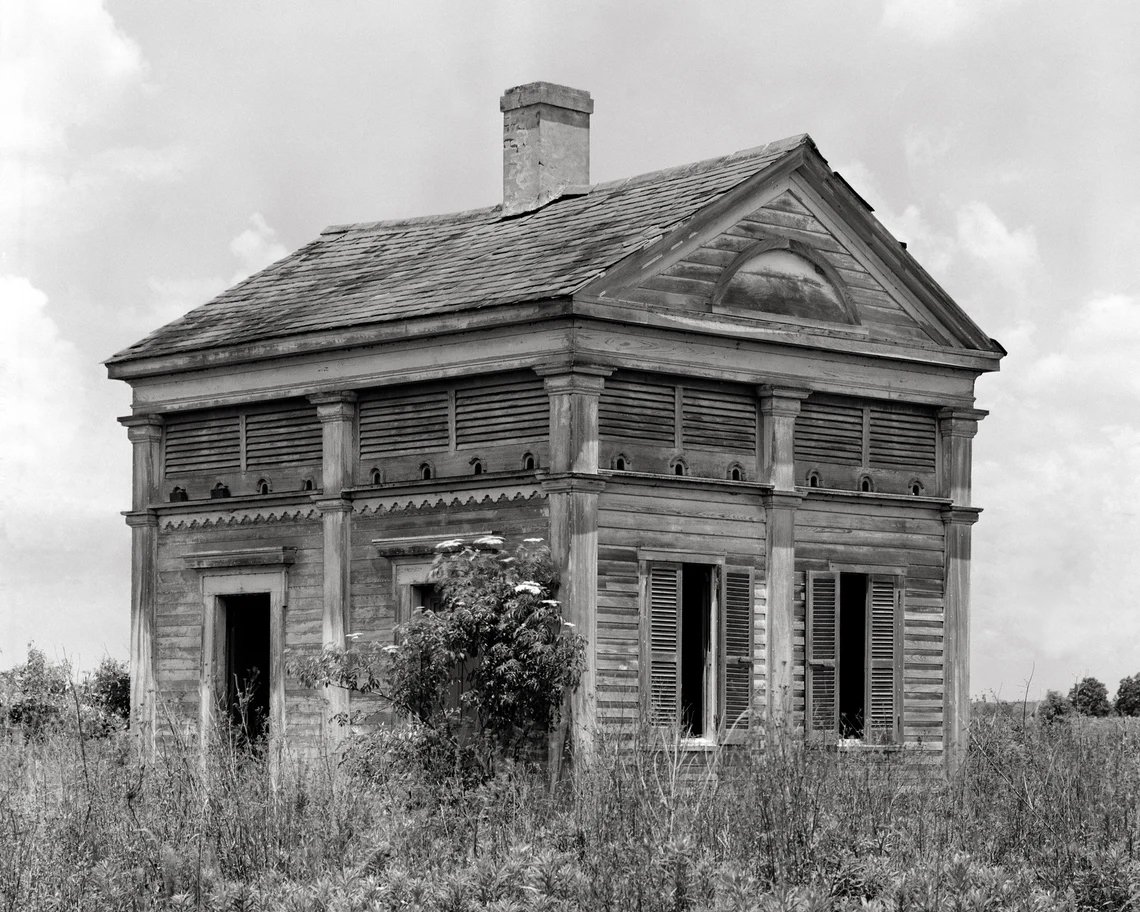
My goals for this project:
• learn proper environment workflow
• modular structure where possible
• believable storytelling through decay + clutter
• build something game-ready in Unreal Engine 5
Here is the first blockout: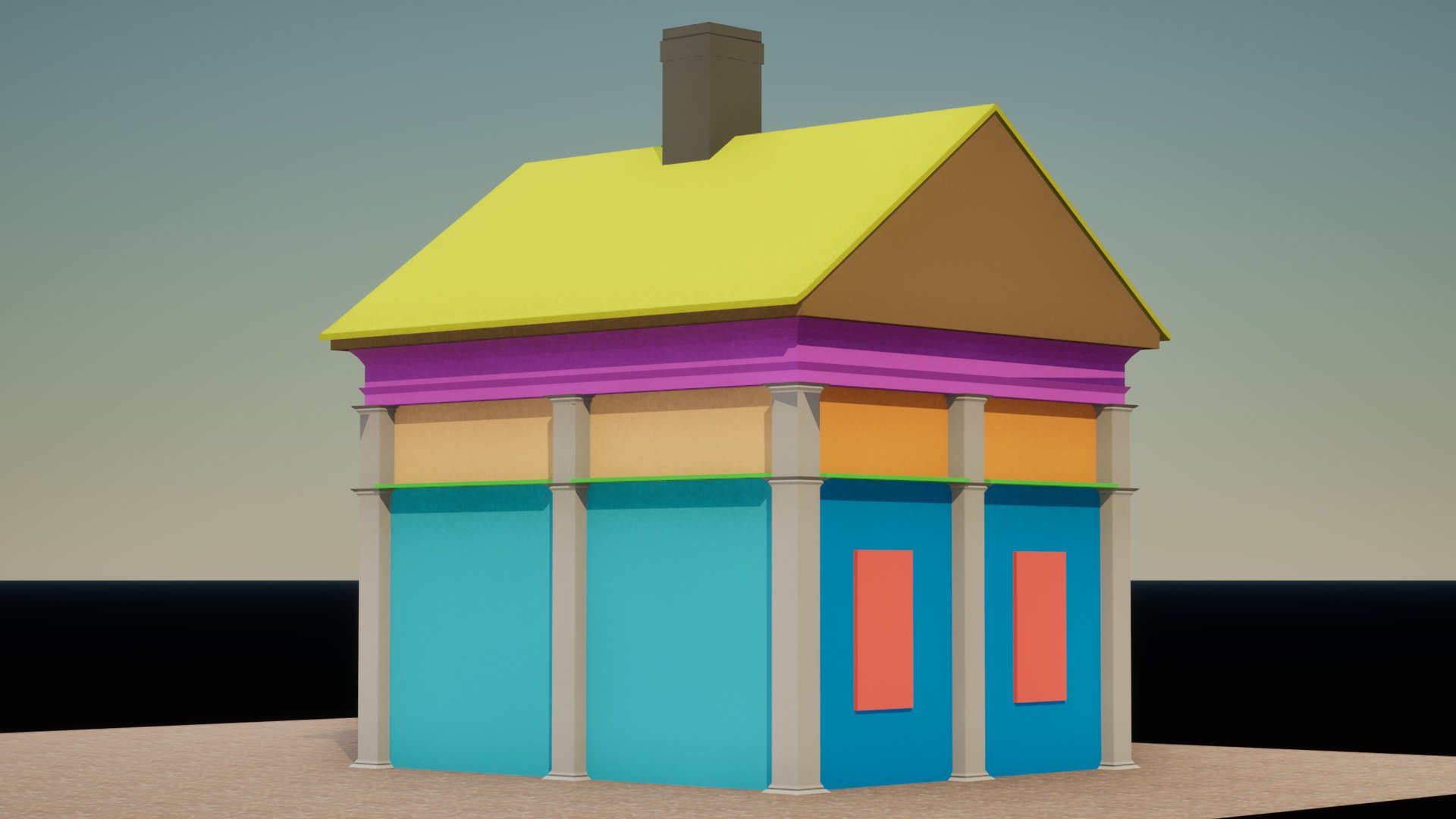
I’m absolutely open to feedback, critique, structure advice — anything that helps me improve.
Environment artists: feel free to roast my rookie mistakes 😂🔥
And if you want to follow the game itself, here’s the Steam page:
👉 Wishlist Desecrated Deck on Steam:
Replies
move. So the interior becomes the most important thing. Do you have refs for that?
Hey Eric, thanks for the question! 🙏
The original plan was actually for the players to be sitting in a creepy old basement playing the card game. But right now I’m re-thinking things a bit — it might end up taking place inside the house I’m currently building. Not 100% locked in yet, though.
Worst case (production-reality speaking 😅), I may only build the exterior as a full environment, and then do a map switch when the player “enters” the house — instead of doing a fully continuous interior/exterior space.
So yeah — still exploring options and feeling out what works best for the atmosphere + workload balance.
If I do go with the interior, I definitely want to lean into old creaky wood floors and furniture, with that subtle tension-building ambience you get from houses that are constantly breathing and shifting.
Thank you,
Elvis
Took me a while to figure out how old Southern-style windows actually work. It’s pretty cool once you understand it — they use a cord that runs over a sash pulley, with hidden counterweights inside the window frame.
The images show the sub-D high-poly models. I’m still not sure if I’ll sculpt extra detail in ZBrush, since I know the textures in Substance Painter will already add a lot.
Thank you!
Here are the UVs so far. The screenshot was taken with 4K textures. I’ll test the performance in Unreal once all the assets are done and lower the resolution if the framerate drops too much.
What bothers me is that when I pack the second shutter into the same UV layout, it starts to lose sharpness. So I’ll probably go with one texture set per asset.
Thank you!
What does the 2d texture look like?
And are you using a roughness texture too? This would help a ton with lighting response... the paint would likely be less rough than the wood.
Maybe it’s a good idea to reuse some of the louvers to save UV space, so I can scale up the shells even more. I just don’t want it to look too repetitive — so I’ll see how far I can push it.
And yes, I’m using a full PBR metallic/roughness workflow. Here are the textures: