Hi Polycount! We (3 friends) have started a project for an open-world single-player survival game for Android/iOS, and I'm working on the 3D assets. Any advice/comments would be really helpful. I'll update the thread weekly.
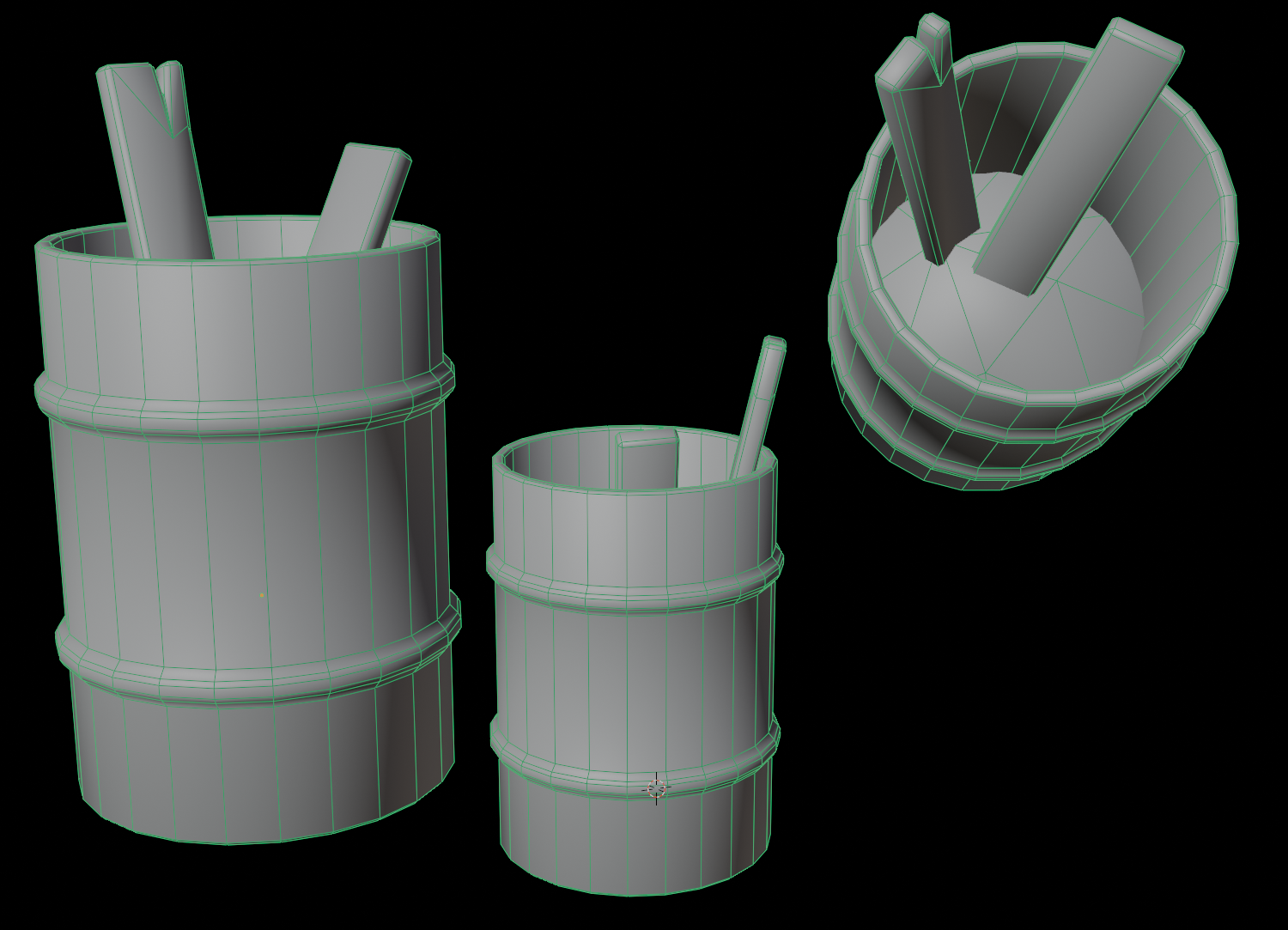
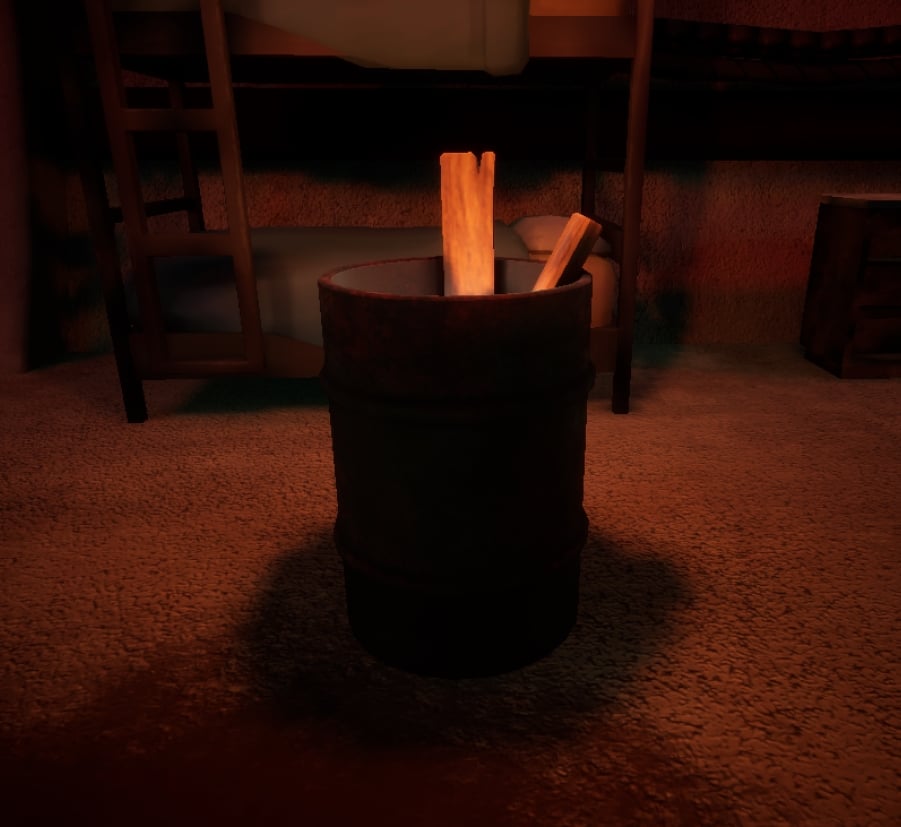
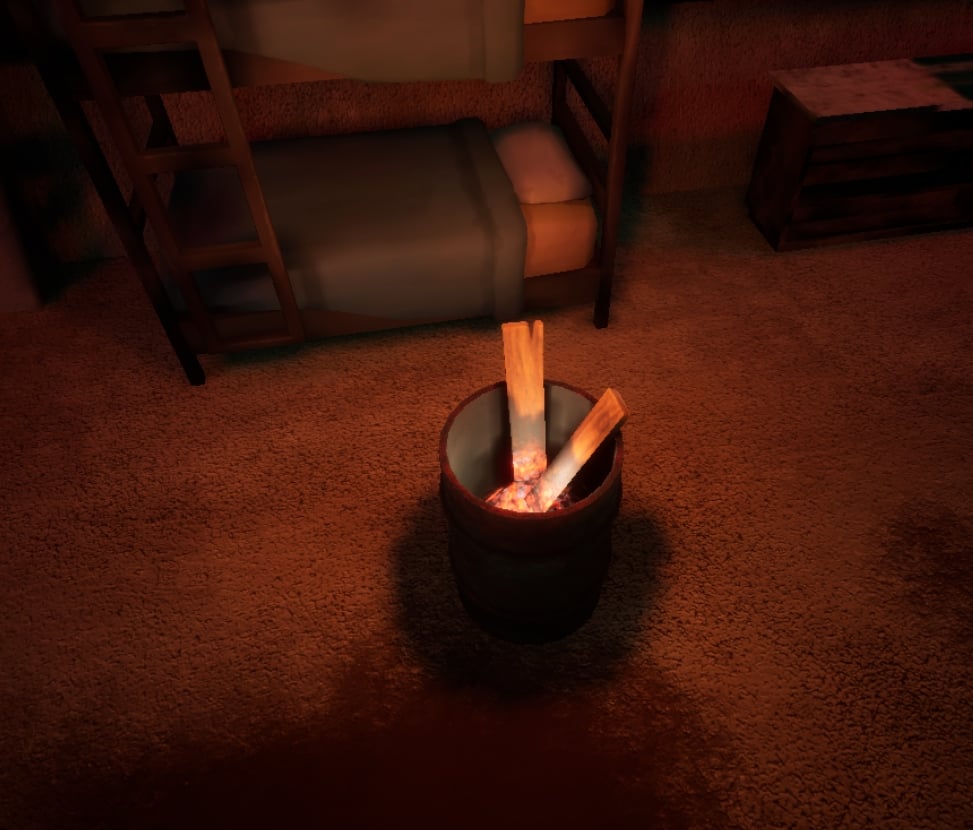
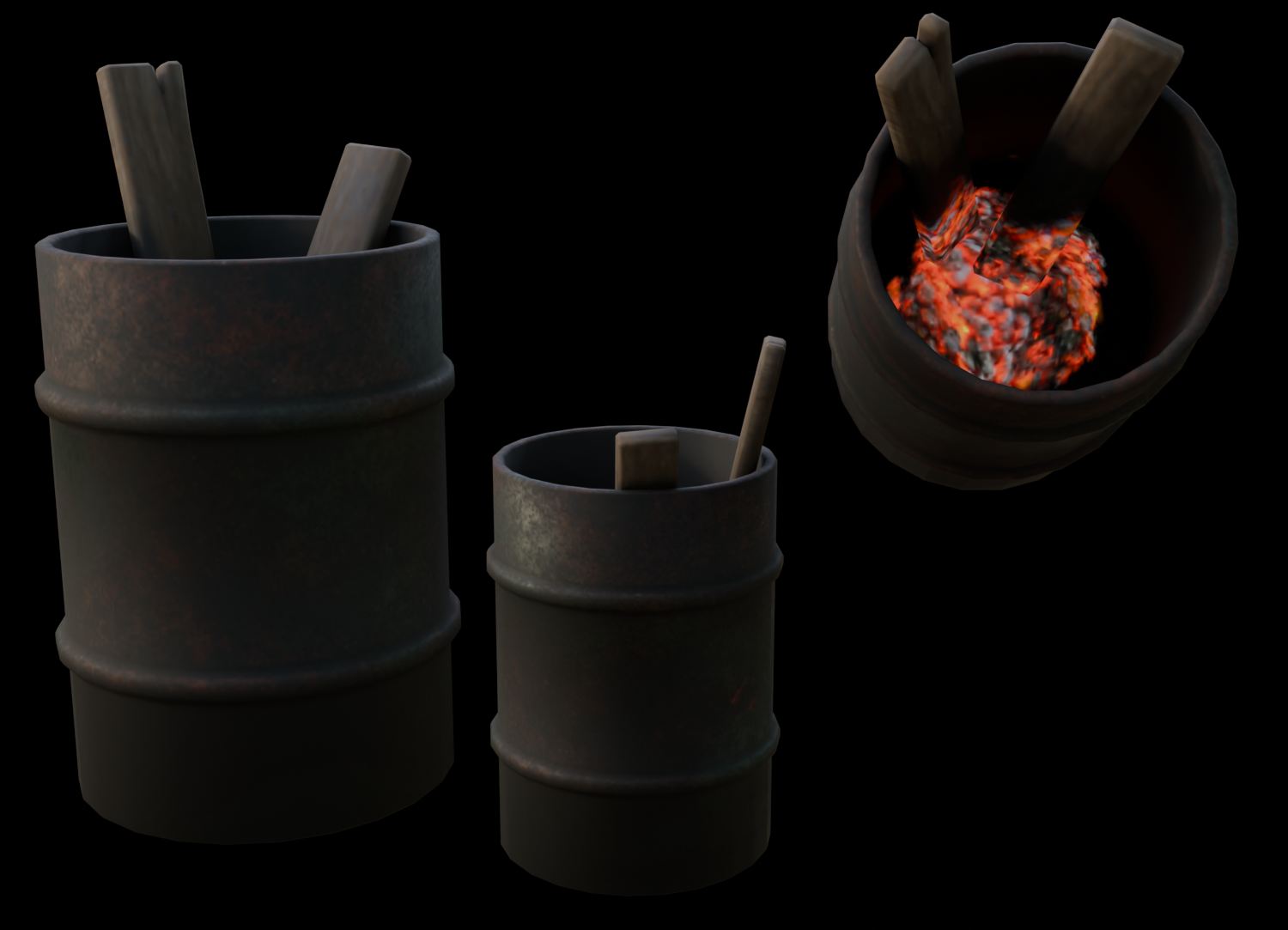
Burning Barrel : 512*512 Base Color 256*256 Roughness/Metallic Texture 512*512 Emissive map 537 vertex
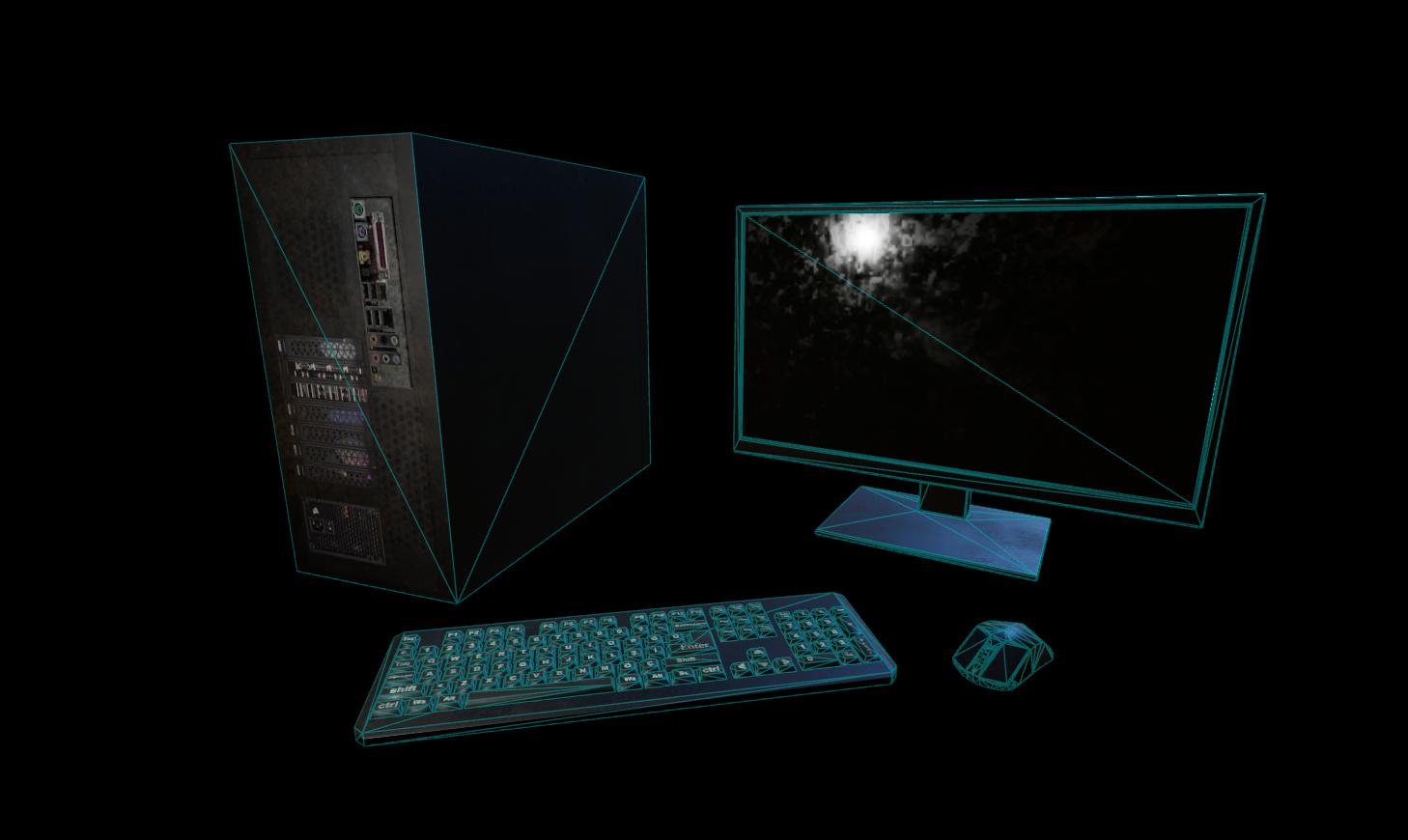
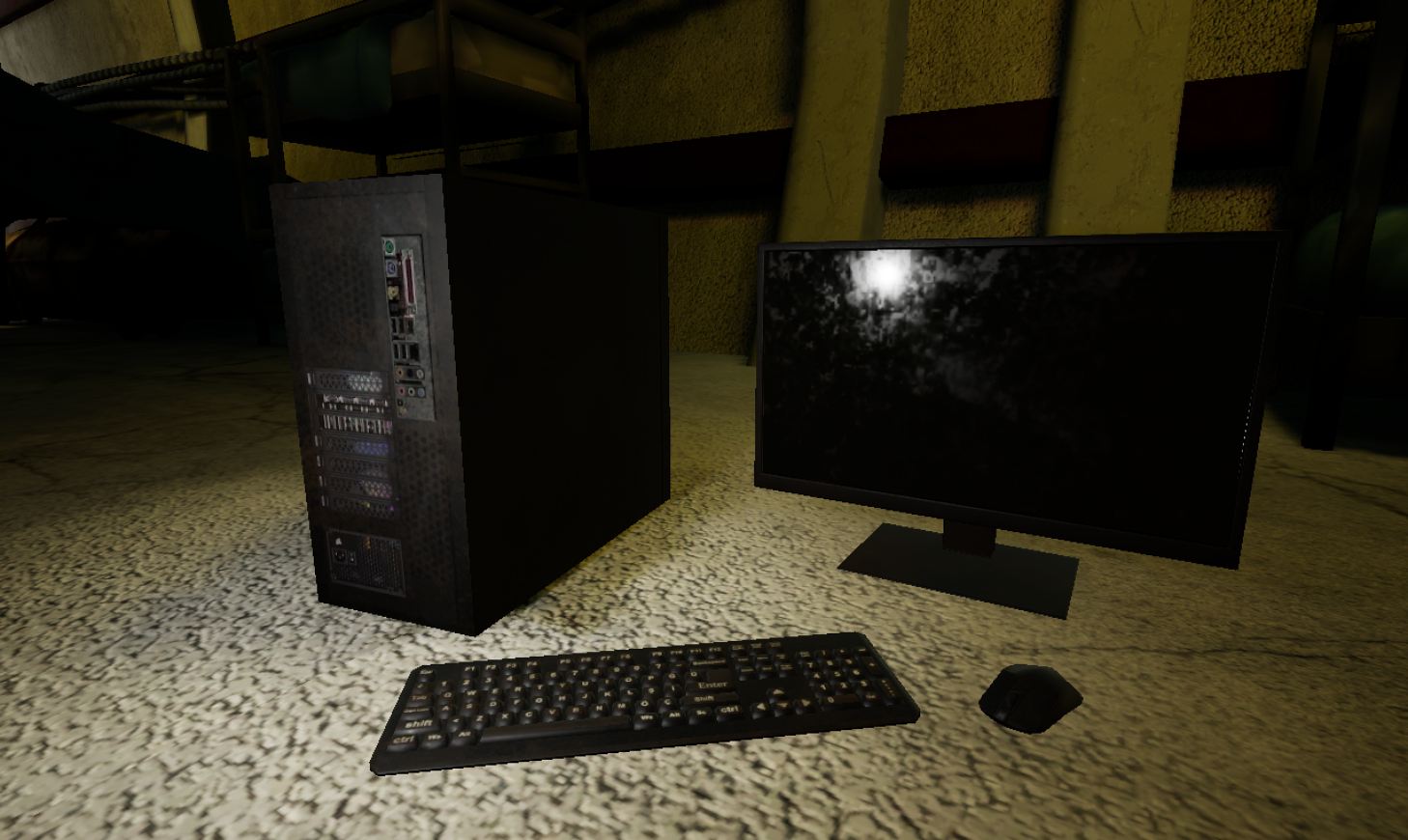
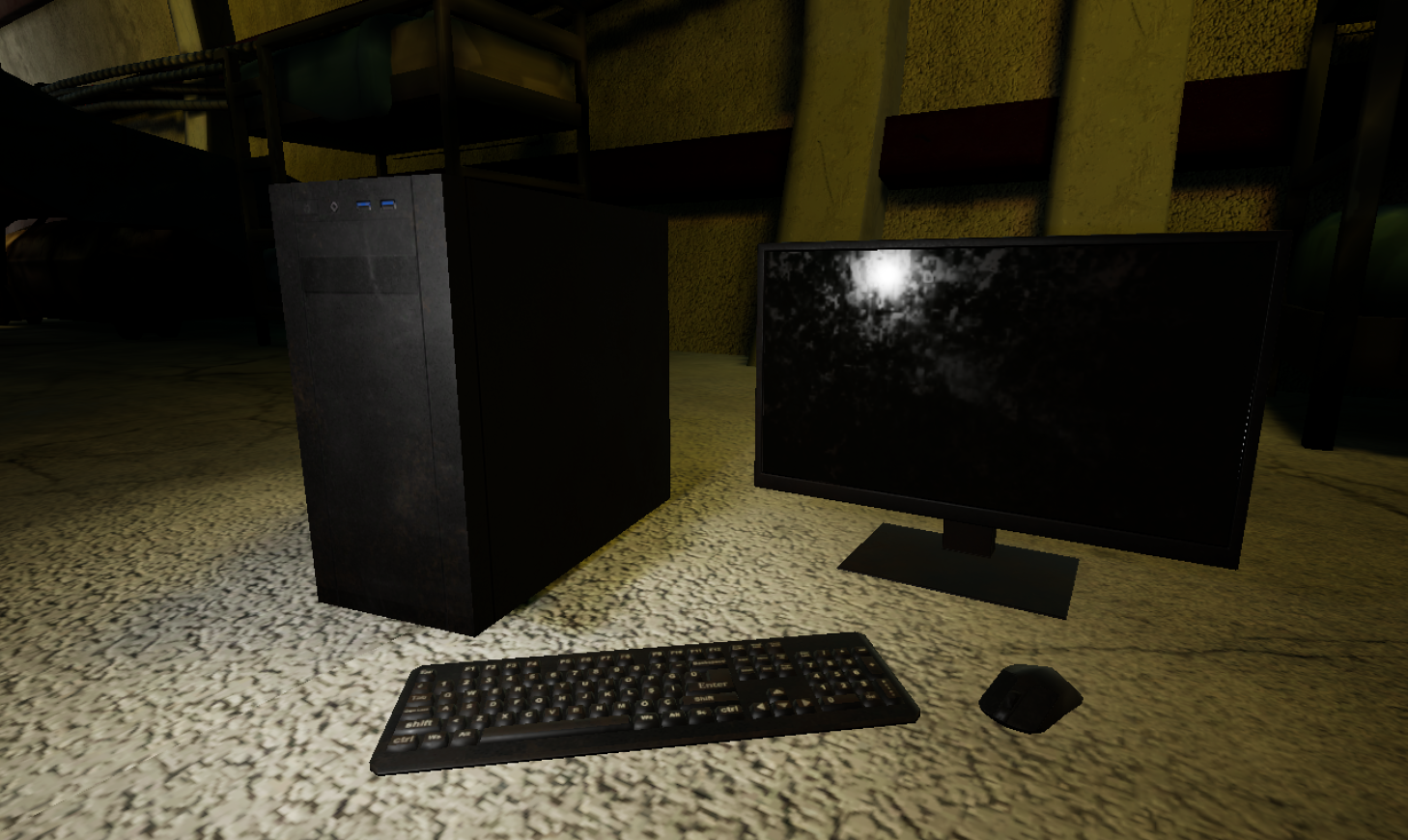
Computer Set Keyboard 844 vertex Mouse 155 vertex Screen 144 vertex Case 8 Vertex 512*512 Base Color 256*256 Roughness/Metallic Texture
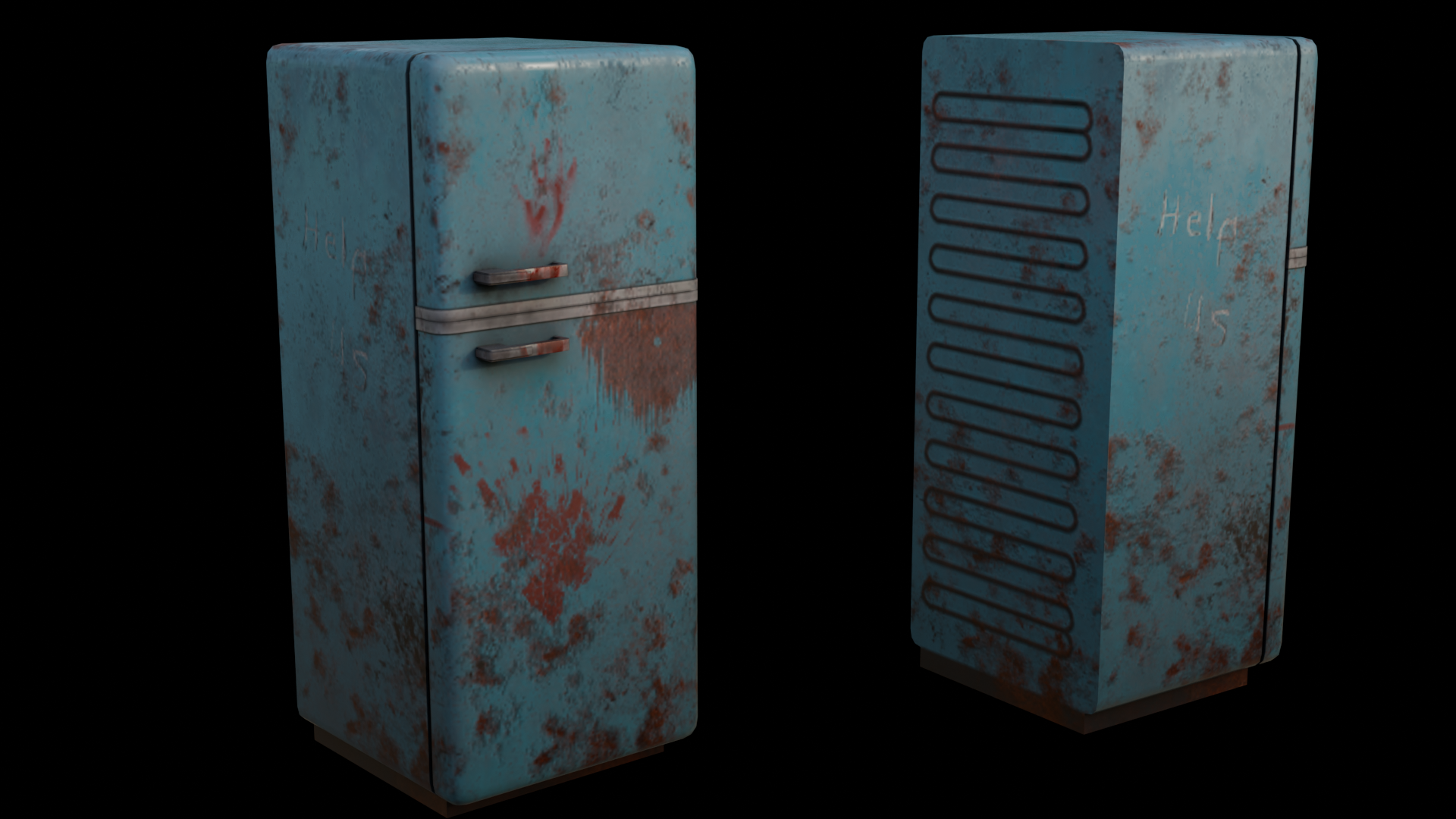
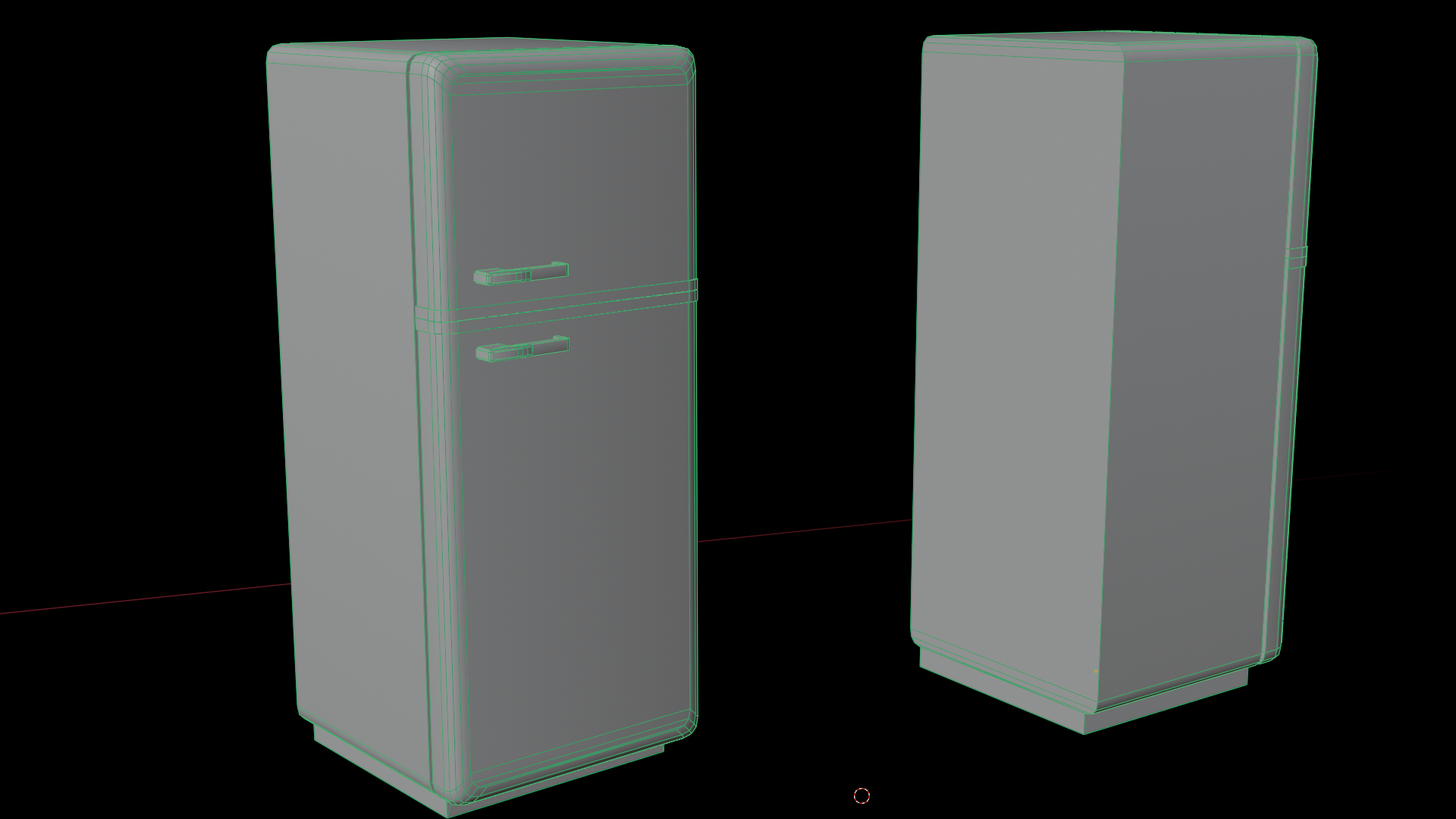
Retro Fridge 422 Vertex 512*512 Base Color 256*256 Roughness/Metallic Texture
The barrel also seems to use an emissive texture (not listed)? If so, I would suggest baking some reddish-orange emissive lighting onto the inner barrel. And the burning ends of the wood planks should have an appropriate wood effect, not simply reusing the charcoal emissive.
The rust & damage on the fridge seem randomly placed, rather than consistent with patterns of usage. Environment items should ideally tell a story, about how they got that way. Every prop and locale has the chance to provide their part for an overall visual narrative.
The barrel also seems to use an emissive texture (not listed)? If so, I would suggest baking some reddish-orange emissive lighting onto the inner barrel. And the burning ends of the wood planks should have an appropriate wood effect, not simply reusing the charcoal emissive.
The rust & damage on the fridge seem randomly placed, rather than consistent with patterns of usage. Environment items should ideally tell a story, about how they got that way. Every prop and locale has the chance to provide their part for an overall visual narrative.
Yes the burning barrel has an emissive map, I forgot to mention emissive map, so I edited the first post. I'll also revise my emission map and the retro fridge texture. Thanks for your suggestions. I'll update the post as soon as possible.
Hi Eric, I've updated the burning barrel model. I've slightly altered the wood shapes, but not too much, and I've created a new fire pit model with these woods.
What does a texture sheet and UVs look like for these assets? Curious how much UV reuse.
And what about the bottom? Are these going to be rigged with physics, and thus tumble-able in-game? The bottom could conceivably use lower texel density, or reuse the same texture as the top, etc.
Also, are you baking an ambient occlusion texture for these? Typically you would pack it into an occlusion-rough-metallic R-G-B texture. I think AO is way underused in PBR, but it really is essential for a good solid PBR texture set, at least when used in your typical real-time renderer (aka rasterizer). For example, without vs. with AO:
What does a texture sheet and UVs look like for these assets? Curious how much UV reuse.
And what about the bottom? Are these going to be rigged with physics, and thus tumble-able in-game? The bottom could conceivably use lower texel density, or reuse the same texture as the top, etc.
Also, are you baking an ambient occlusion texture for these? Typically you would pack it into an occlusion-rough-metallic R-G-B texture. I think AO is way underused in PBR, but it really is essential for a good solid PBR texture set, at least when used in your typical real-time renderer (aka rasterizer). For example, without vs. with AO:
Hi Eric, here's my process for creating textures for the wooden crate: First, I delete the back of the object, then I import it into Substance Painter. Once I'm done in Painter, I copy the textured faces to other surfaces. I adjust the UVWs later, here are some screenshots.
https://www.khronos.org/gltf/pbr/#pbr-glossary This example looks really great! My packaged texture has ambient occlusion, but I didn't bind it to the material, and I wasn't using any ambient occlusion texture in the game engine. I didn't think it would have this much of an impact.
However it looks like you're painting shading information into the BaseColor texture. This is generally bad practice in a PBR material.
This may be necessary, if your lighting setup is really primitive. If you're intending to use PBR lighting, then it's better to not paint shading there, but to use the AO for that instead.
The red channel is sitting there unused in your metallic-rough texture anyway.
Yes, the lighting is a bit primitive. I'm only using 1 movable light due to forward shading; the other lights are static, and the light map size of the objects is limited to the 32x32-512x512 range. My assets didn't look good before I multiplied the Ao to Basecolor
Ah yeah AO is only affected by image based lighting (usually using a diffusely-convolved cube map and/or spherical harmonics). Can you add an IBL? Would really help to simulate nice bounce lighting. As it is, your shadows are all very very black.
I will try that and post it here as soon as possible.
Nice. It seems like it might be missing from some of the corners though. What do the BaseColor and AO look like on their own? For example (render / basecolor / occlusion):
I’ve completed the modular tunnel pipe set. It uses two materials: A tileable, vertex-painted concrete material for the tunnel walls and floors (512×512 textures). A trim sheet material for the train rails, lights, pipes, cables, and other metal elements (1024×1024 texture).
Replies
The rust & damage on the fridge seem randomly placed, rather than consistent with patterns of usage. Environment items should ideally tell a story, about how they got that way. Every prop and locale has the chance to provide their part for an overall visual narrative.
Double bed 01 added
325 vertex
512*512 Base Color
256*256 Roughness/Metallic Texture
Material :
1024x1024 trimsheet base color and roughness metallic texture.
512x512 bottom concrete material
fuel dispenser : 2160 vertex (lod0) 1097 vertex (lod2)
Material : 512x512 base color 512x512 roughness metallic map.
material 512x512 Base color 256x256 roughness metallic map
And what about the bottom? Are these going to be rigged with physics, and thus tumble-able in-game? The bottom could conceivably use lower texel density, or reuse the same texture as the top, etc.
Also, are you baking an ambient occlusion texture for these? Typically you would pack it into an occlusion-rough-metallic R-G-B texture. I think AO is way underused in PBR, but it really is essential for a good solid PBR texture set, at least when used in your typical real-time renderer (aka rasterizer). For example, without vs. with AO:
https://www.khronos.org/gltf/pbr/#pbr-glossary
https://www.khronos.org/gltf/pbr/#pbr-glossary This example looks really great! My packaged texture has ambient occlusion, but I didn't bind it to the material, and I wasn't using any ambient occlusion texture in the game engine. I didn't think it would have this much of an impact.
here is my basic material setup :
However it looks like you're painting shading information into the BaseColor texture. This is generally bad practice in a PBR material.
This may be necessary, if your lighting setup is really primitive. If you're intending to use PBR lighting, then it's better to not paint shading there, but to use the AO for that instead.
The red channel is sitting there unused in your metallic-rough texture anyway.
With AO on BC
It uses two materials:
A tileable, vertex-painted concrete material for the tunnel walls and floors (512×512 textures).
A trim sheet material for the train rails, lights, pipes, cables, and other metal elements (1024×1024 texture).
The vertex count is slightly high: